
Meat Smoker Guide: Tips, Safety, and Buying Advice
Features Buyers Should Look for in a Smoker
Fuel Type Options:
Choose between charcoal, wood, gas, electric, or pellet smokers depending on flavor preference and convenience.
Temperature Control:
Precise airflow vents, dampers, or digital thermostats allow consistent low‑and‑slow cooking.
Heat Retention & Insulation:
Thick walls, double‑layered lids, or ceramic construction help maintain stable temperatures and reduce fuel use.
Cooking Capacity:
Multiple racks or large chambers accommodate different cuts of meat, from ribs to brisket.
Airflow System:
Adjustable vents and fans ensure even smoke circulation for balanced flavor.
Material & Build Quality:
Stainless steel or heavy‑gauge steel resists rust, withstands high heat, and ensures durability.
Ease of Cleaning:
Removable ash pans, grease trays, and smooth surfaces simplify maintenance.
Portability:
Wheels, handles, or compact designs make smokers easier to move or store.
Versatility:
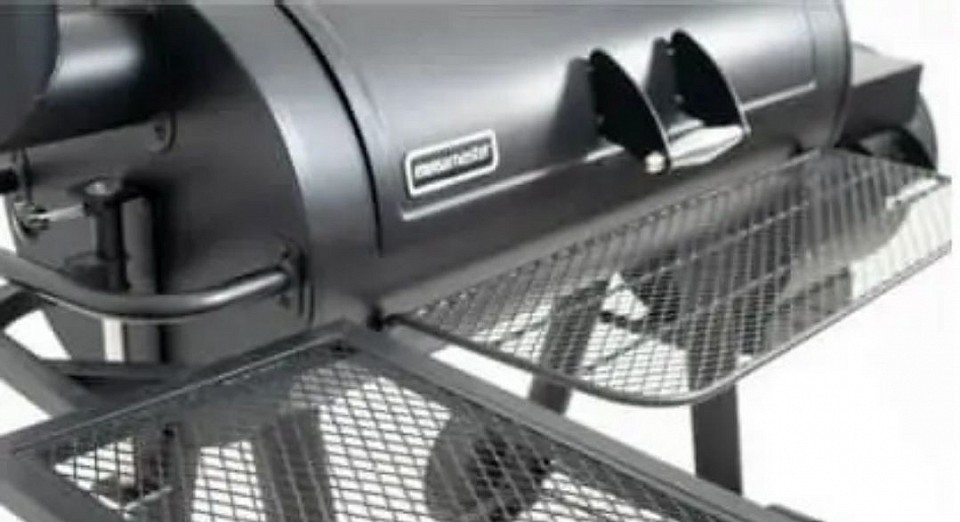
Some smokers double as grills, offering both direct grilling and indirect smoking options.
Digital Monitoring:
Advanced models include LED displays, timers, or Wi‑Fi connectivity for remote monitoring.
Safety Features:
Heat‑resistant handles, secure lids, and certified electrical components (for electric/pellet smokers) ensure safe operation.
Fuel Efficiency:
Well‑designed smokers maximize burn time, reducing the need for frequent refueling.
Flavor Control:
Wood chip trays or pellet hoppers allow customization of smoke intensity and flavor.
Accessories and Add‑Ons for Smokers
Pellet Hoppers / Feeders:
For pellet smokers, larger hoppers or automatic feeders extend cooking time without refueling.
Water Pans:
Help regulate temperature and add moisture, preventing meat from drying out.
Drip Trays:
Collect grease and juices, keeping the smoker clean and reducing flare‑ups.
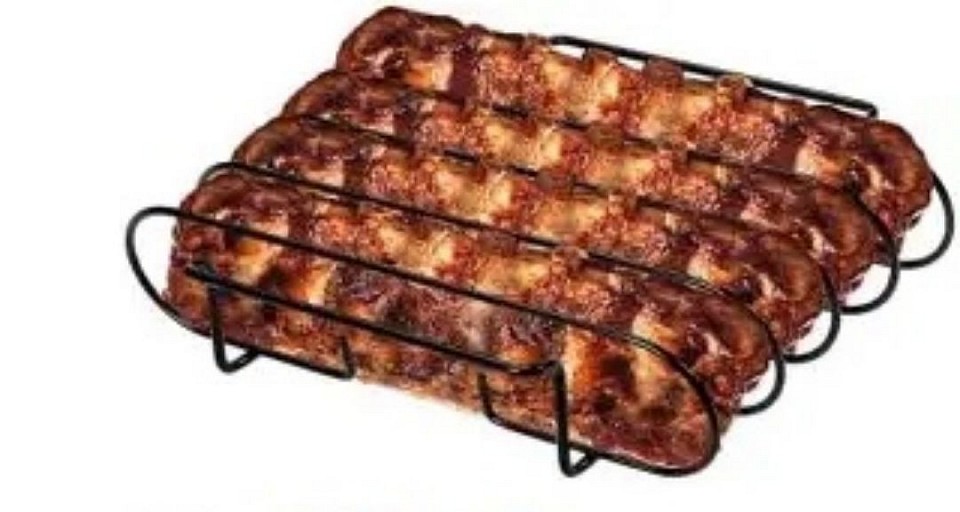
Rib Racks & Meat Hooks:
Maximize space by holding ribs vertically or hanging sausages and droëwors.
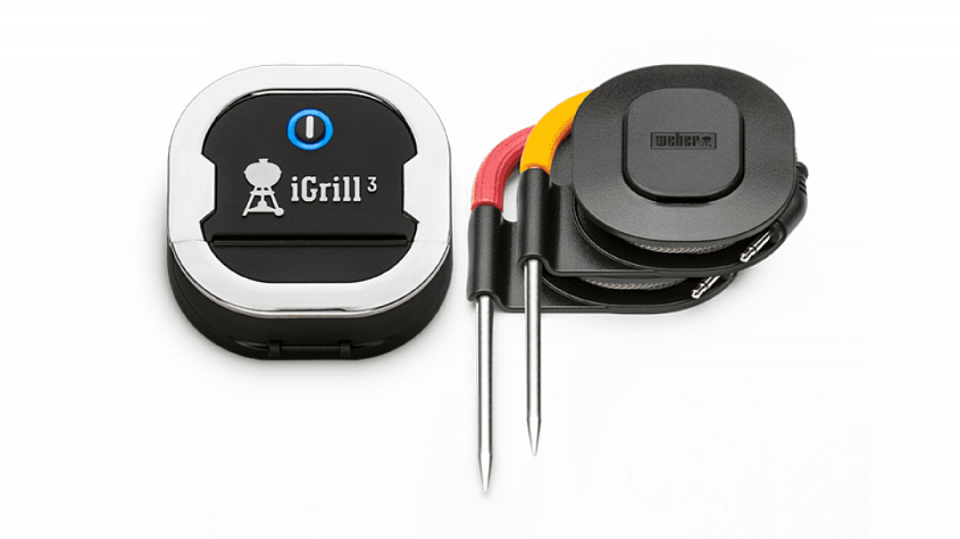
Temperature Probes / Wireless Thermometers:
Monitor internal meat temperature and smoker heat without opening the lid.
Heat Deflectors / Baffles:
Distribute heat evenly, reducing hot spots inside the smoker.
Smoker Covers:
Weather‑resistant covers protect equipment from rust, dust, and UV damage.
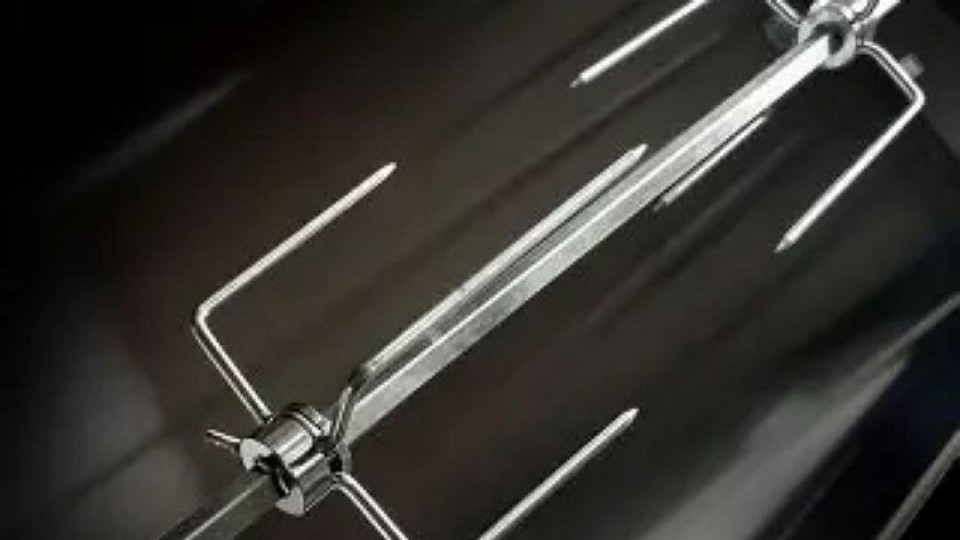
Rotisserie Kits:
Add versatility by allowing whole chickens or roasts to be smoked evenly.
Shelves & Side Tables:
Extra prep space for tools, sauces, and trays.
What size smoker is ideal for family use or large gatherings?
The optimal smoker size depends on the number of people you typically cook for and the nature of your gatherings. For family use, a medium-sized smoker with a cooking surface of approximately 40–60 cm is generally adequate. This size accommodates smoking sufficient meat for 4–6 individuals simultaneously, making it ideal for family dinners or small weekend braais. It strikes a balance between capacity and ease of use, while also minimizing fuel consumption.
For larger events, a smoker with a cooking chamber of 70 cm or more, or a multi-rack vertical smoker, is recommended. These larger units can accommodate multiple cuts of meat simultaneously—such as brisket, ribs, chicken, and sausage—making them suitable for serving 10–15 guests or more. Offset smokers are particularly favored for sizable gatherings due to their extended cooking space and the ability to manage heat and smoke efficiently across different zones.
Portability is another important consideration. If you intend to use your smoker for camping or outdoor venues, a compact or collapsible model is more practical, even if it necessitates cooking smaller batches. Conversely, for home use, a larger, more robust smoker can remain stationary and serve as a focal point for entertaining.
In conclusion, a medium smoker is well-suited for everyday family use, while a large smoker is preferable for substantial gatherings. Many South Africans who frequently host both types of events choose to own two smokers—a smaller, portable unit for camping and a larger offset or vertical smoker for home entertaining—ensuring versatility for every occasion without compromise.
Is smoking meat healthier than grilling, and what are the pros and cons?
Smoking and grilling are two widely favored methods for preparing meat, each distinct in cooking technique and health implications. Grilling typically involves high temperatures, ranging from 150–200 °C, which cooks food rapidly and imparts a characteristic charred flavor. In contrast, smoking employs lower temperatures, generally between 100–150 °C, utilizing slow cooking with wood smoke to infuse flavor over several hours.
Grilling offers the advantage of speed and convenience, making it well-suited for everyday dishes such as steaks, chops, burgers, and sausages. Additionally, it allows excess fat to drip away, resulting in leaner food. However, the intense heat of grilling can generate harmful compounds like heterocyclic amines (HCAs) and polycyclic aromatic hydrocarbons (PAHs), particularly when meat is charred or fat drips onto open flames. These substances have been associated with increased health risks when consumed in significant quantities.
Conversely, smoking avoids the extreme temperatures that promote HCA formation. The lower heat preserves more of the meat’s natural antioxidants and yields tender, flavorful results in cuts such as brisket, ribs, or lamb shoulder. The drawback is prolonged exposure to smoke, which can elevate PAH absorption. Smoking also demands more time and preparation, with careful selection of wood essential to prevent the introduction of undesirable chemicals.
Both techniques can be optimized for health benefits through certain adjustments. Marinating meat with vinegar, lemon juice, or herb-based mixtures can diminish the production of harmful compounds. Maintaining moderate temperatures, trimming excess fat, and minimizing charring further reduce risks. Incorporating vegetables into the smoker or grill is advisable, as they do not produce HCAs and contribute valuable nutrients to the meal.
In conclusion, grilling is faster and produces leaner results but carries risks associated with high heat and charring, whereas smoking avoids extreme heat and delivers rich flavors but may increase exposure to smoke-related contaminants. Ultimately, the healthiest choice depends less on the cooking method itself and more on the management of heat, smoke, and preparation. With mindful cooking practices, both smoking and grilling can be enjoyed as integral components of a balanced braai lifestyle.
What’s the difference between offset smokers, vertical smokers, and kettle braais with smoker attachments?
The distinction between offset smokers, vertical smokers, and kettle braais with smoker attachments lies in their design, heat regulation, and cooking capacity. Each type offers unique advantages depending on whether you prefer traditional low-and-slow smoking, compact efficiency, or versatile options for everyday braais.
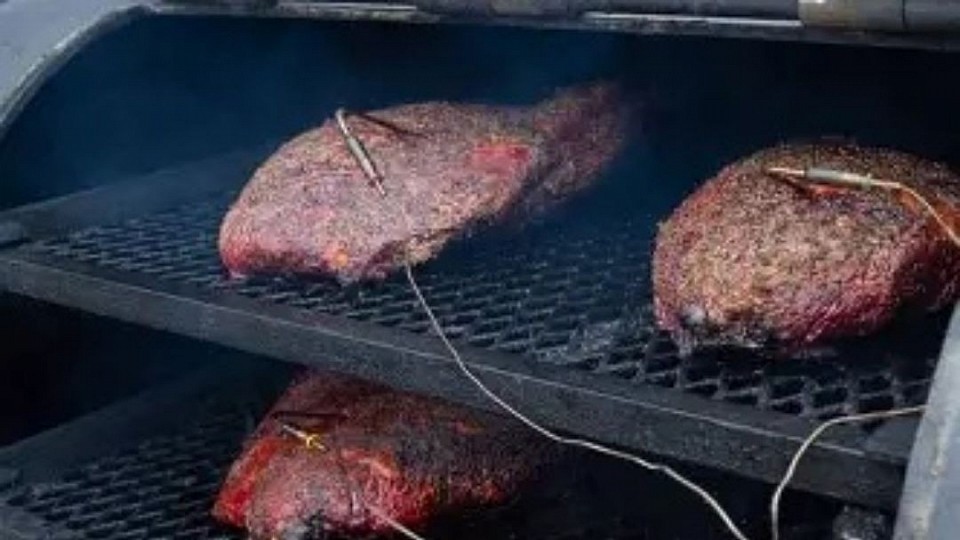
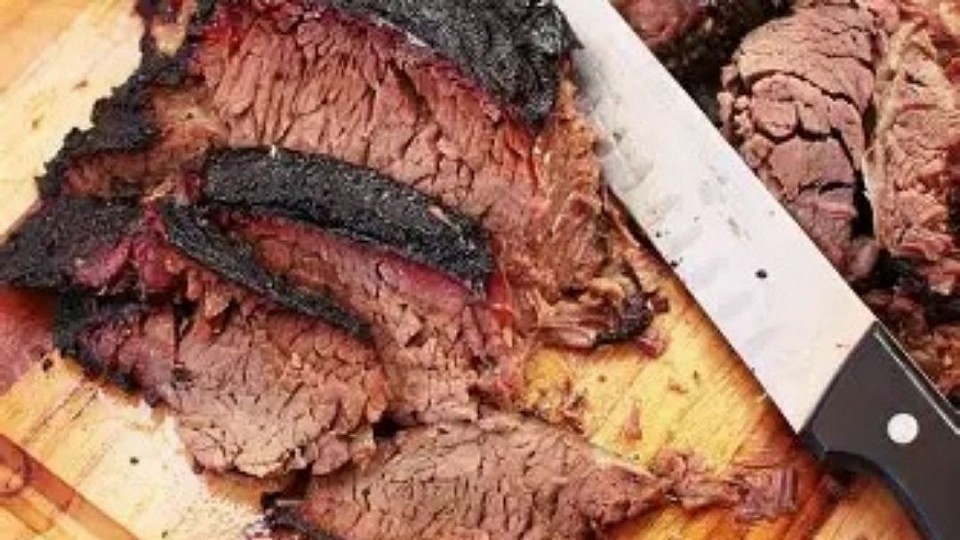
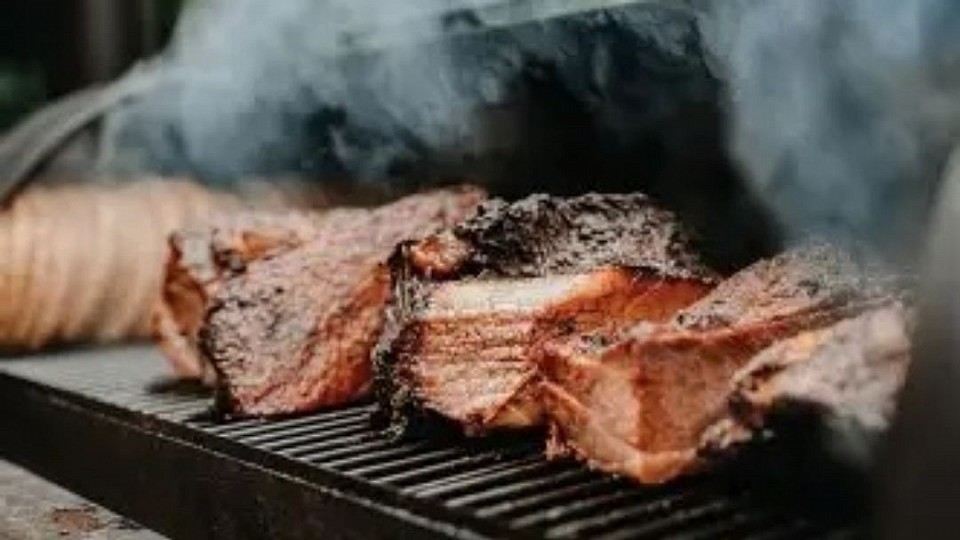
Offset smokers are sizable, horizontal units featuring a firebox attached to the side. Heat and smoke flow from the firebox into the main cooking chamber, enabling indirect cooking. This configuration is ideal for extended smoking sessions of brisket, ribs, or lamb shoulders. They deliver exceptional flavor and accommodate large quantities of meat but require greater skill to manage airflow and temperature effectively. Offset smokers are favored for large gatherings and by dedicated braai enthusiasts who enjoy fire management.
Vertical smokers (also known as bullet or cabinet smokers) position the fire at the bottom, a water pan in the middle, and cooking racks above. Utilizing the natural rise of heat and smoke, they are efficient and compact, making them suitable for smaller spaces or family use. Vertical smokers offer easier temperature control compared to offsets and allow smoking of multiple cuts simultaneously on different racks. However, they generally provide less cooking space than offsets and may necessitate more frequent refueling.
Kettle braais with smoker attachments represent the most versatile choice. Primarily charcoal grills, kettle braais can function as smokers through the use of attachments or indirect heat techniques. This versatility makes them ideal for everyday braais, enabling you to grill steaks one day and smoke chicken or snoek the next. Although they do not match the capacity or precision of dedicated smokers, they are cost-effective, portable, and practical for families seeking both grilling and smoking capabilities in a single unit.
What is the best type of meat smoker for South African braais—charcoal, gas, or electric?
When selecting the optimal meat smoker for South African braais, the choice hinges on whether you prioritize flavor, convenience, or simplicity. Each smoker type—charcoal, gas, and electric—offers distinct advantages and compromises tailored to various lifestyles and culinary preferences.
A charcoal smoker represents the most traditional option and continues to be favored by South Africans who appreciate an authentic braai experience. Charcoal imparts a rich, smoky flavor that complements local specialties such as boerewors, lamb chops, and fish. Additionally, incorporating hardwood chunks like rooikrans or kameeldoring further enhances the flavor profile. The primary challenge lies in managing temperature and airflow, which requires skill, and the cleaning process demands more effort. Nevertheless, for those who value tradition and depth of flavor, charcoal remains unparalleled.
Gas smokers prioritize convenience. They ignite instantly, maintain consistent heat with minimal intervention, and offer easier temperature control compared to charcoal. This makes them particularly suitable for extended smoking sessions, such as brisket or pork shoulder, where steady heat is crucial. Although gas smokers generate less natural smoke flavor unless supplemented with wood chips, they provide a dependable and practical solution for families seeking the benefits of smoking without the complexities of coal management.
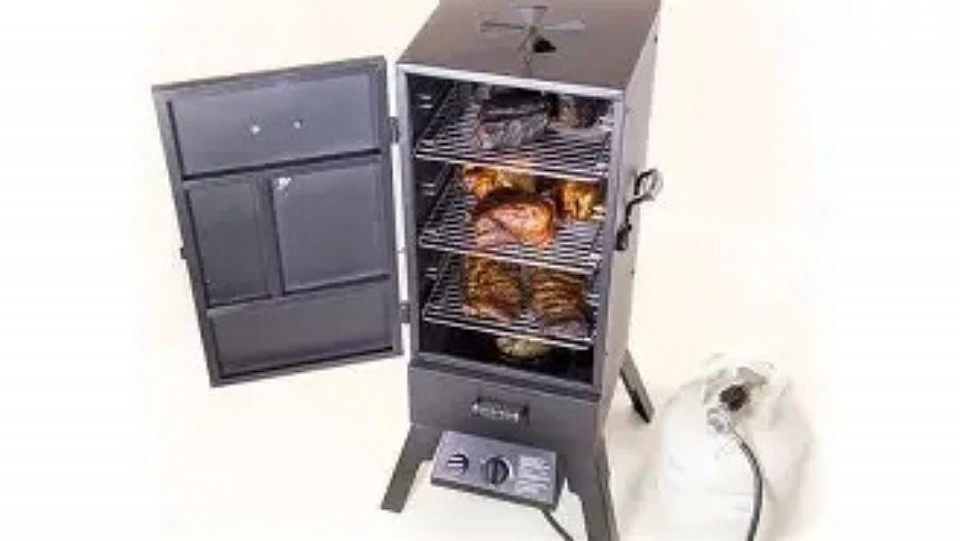
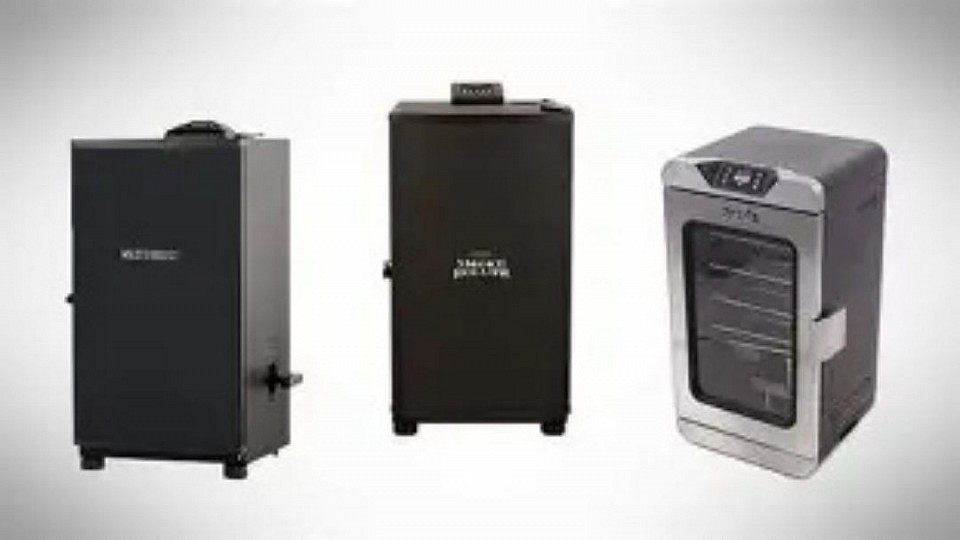
Electric smokers offer the highest level of user-friendliness. Simply plug in, set the desired temperature, and allow the smoker to operate autonomously. They are ideal for beginners or those desiring consistent results with minimal effort. Furthermore, electric smokers are safer in urban environments where open flames may be restricted. The trade-off is a milder smoky flavor compared to charcoal or gas smokers, and dependence on electricity limits portability for camping or outdoor events.
In conclusion, charcoal smokers excel in delivering authentic smoky flavor and tradition; gas smokers are optimal for convenience and stable heat control; and electric smokers provide simplicity and ease of use. While charcoal remains the preferred choice for most South African braai enthusiasts, gas and electric smokers offer excellent alternatives suited to diverse lifestyles and cooking requirements.
Which wood types (rooikrans, kameeldoring, oak, etc.) give the best flavor when smoking meat?
In South Africa, the selection of wood for smoking meat significantly influences the resulting flavor. Different types of wood burn at varying rates and emit distinct aromas, which can either enhance or overpower the meat depending on their application. Choosing the appropriate wood ensures your dish embodies the authentic taste and essence of a traditional braai.
Kameeldoring (Camel Thorn) is widely regarded as the premier braai wood. It generates hot, slow-burning coals with minimal smoke, making it ideal for extended smoking sessions such as brisket or pork shoulder. The flavor it imparts is subtle and well-balanced, complementing beef, lamb, and chicken without overshadowing the meat’s natural taste.
Rooikrans, popular in the Western Cape, burns rapidly while producing intense heat and a distinctive aroma. It delivers a robust smoky flavor that pairs exceptionally well with red meats. Rooikrans is well-suited for shorter smoking durations or when a bold, pronounced taste is desired.
Oak is a globally favored wood, also readily available locally. It offers a medium-strength smoke that is versatile enough to complement beef, pork, poultry, and even fish. Oak provides a balanced flavor profile, making it a dependable choice when a moderate smokiness is preferred without overwhelming delicate dishes.
Other notable woods include sekelbos and mopani. Sekelbos contains natural oils that emit a slightly sweet, bushveld aroma, imparting a distinctive character to the meat. Mopani, known for its density, burns for extended periods, producing intense heat and a strong smoky flavor, ideal for tougher cuts that benefit from slow cooking.
For lighter, sweeter smoke notes, fruit woods such as apple or peach are excellent options. They generate a mild smoke that enhances poultry, pork, and fish by adding subtle sweetness without masking the meat’s inherent flavors.
In conclusion, kameeldoring is optimal for prolonged, clean burns; rooikrans delivers bold smokiness; and oak offers versatility. Sekelbos and mopani contribute unique aromas, while fruit woods provide gentle sweetness. By combining these woods thoughtfully, you can craft the perfect flavor profile for any braai.
How long does it take to smoke different meats (beef, chicken, lamb, fish)?
Smoking durations vary based on the type of meat, its thickness, and the smoker’s internal temperature. The objective is not only to cook the meat thoroughly but also to allow the smoke to infuse and enhance its flavor. Larger cuts naturally require more time, whereas smaller or more delicate pieces need less.
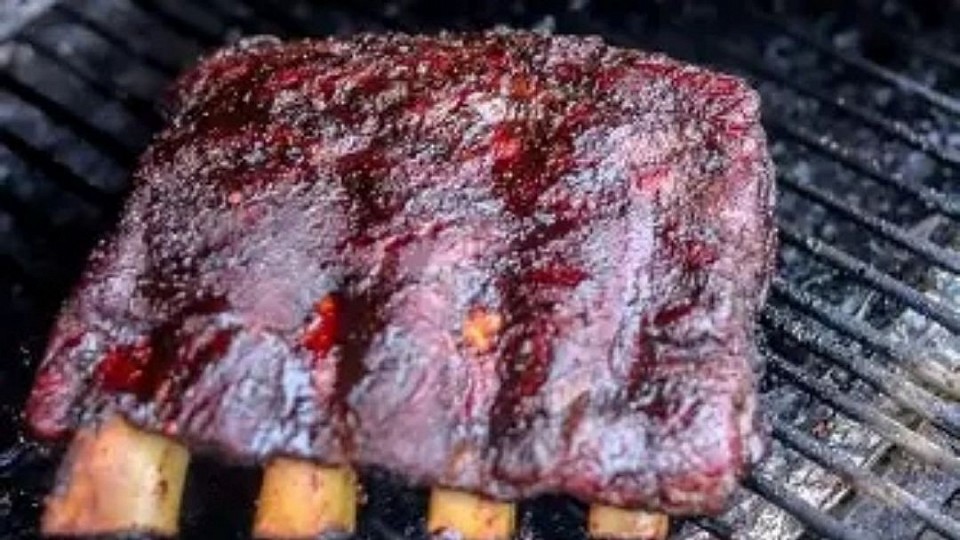
Beef smoking times range from a few hours to over half a day. For instance, a brisket typically requires eight to twelve hours at a low temperature of 110–120 °C to become tender. Beef ribs generally need six to eight hours at the same temperature, while smaller cuts like steaks can be smoked for one to two hours to impart flavor before finishing with a quick sear.
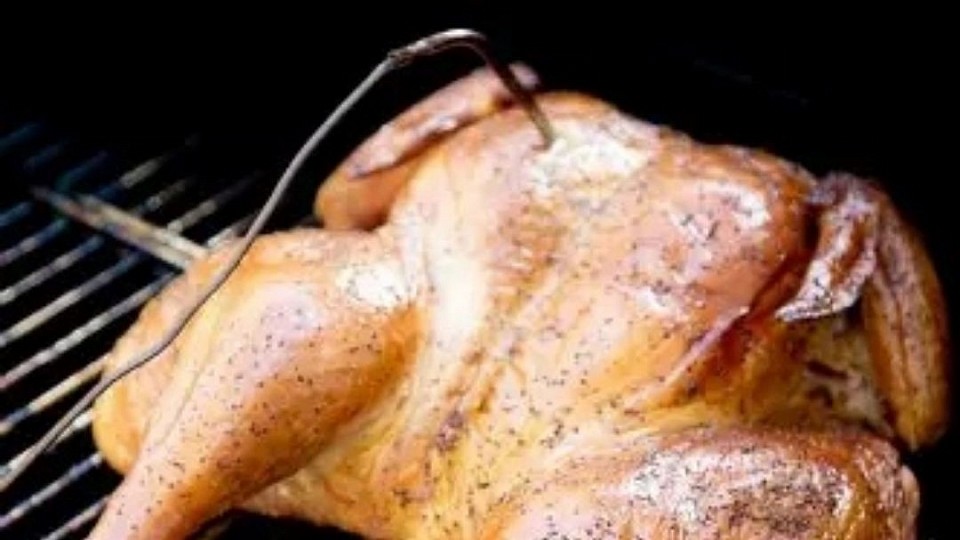
Chicken demands less time than beef. A whole chicken usually takes three to four hours at 110–120 °C until the internal temperature reaches 74 °C. Smaller portions such as thighs, drumsticks, or wings require approximately one and a half to two and a half hours, whereas chicken breasts can be smoked in just over an hour. Extra caution is advised with breasts to prevent drying out.
Lamb falls between beef and chicken regarding smoking time. A leg of lamb typically takes five to seven hours at 110–120 °C, while ribs or chops are ready in two to three hours. A lamb shoulder, similar to brisket, benefits from six to eight hours of slow smoking to achieve a tender, pull-apart texture.
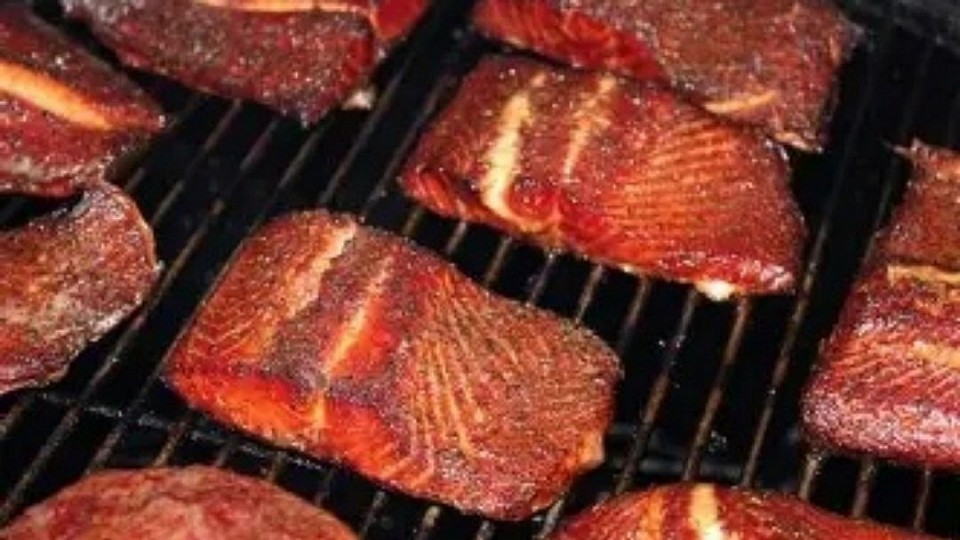
Fish is the fastest to smoke due to its delicate nature. Whole fish such as snoek or trout can be smoked in one to two hours at 90–110 °C, while fillets often require only 30 to 60 minutes. More delicate species like hake may need just 20 to 40 minutes to avoid overcooking.
In all cases, it is advisable to cook to the appropriate internal temperature rather than relying solely on time. Utilizing a meat thermometer ensures precision: beef brisket and ribs should reach an internal temperature of 90–95 °C, chicken 74 °C, lamb 85–90 °C for a pulled texture or 65–70 °C for medium doneness, and fish 60–65 °C. Maintaining steady smoker temperatures and allowing the meat to rest after cooking will yield optimal results.
Can I use a smoker for both hot smoking and cold smoking in South Africa’s climate?
Yes, a smoker can be utilized for both hot and cold smoking within South Africa’s climate; however, the methods differ due to temperature regulation and seasonal variations.
Hot smoking is relatively straightforward in South Africa. Given the moderate outdoor temperatures and abundant hardwood resources, maintaining smoker temperatures between 100–130 °C is achievable. Hot smoking simultaneously cooks and imparts flavor to the meat, making it ideal for cuts such as brisket, lamb shoulder, chicken, and snoek. The warm climate aids in stabilizing smoker temperatures, particularly when using charcoal or wood fuel.
Cold smoking presents greater challenges as it requires maintaining the smoking chamber below 30 °C while generating smoke. In South Africa’s warmer regions, this can be difficult without specialized equipment. Cold smoking is commonly applied to products like biltong, cheese, or fish, where smoke flavor is desired without cooking. To accomplish this, many utilize a smoke generator or a separate firebox that directs smoke into the chamber while minimizing heat transfer. Alternatively, cold smoking is most effective during cooler months or early mornings when ambient temperatures are lower.
The fundamental distinction is that hot smoking depends on consistent heat combined with smoke, whereas cold smoking relies solely on smoke at low temperatures. With appropriate equipment—such as an offset smoker, smoke tube, or dedicated cold-smoke box—both methods can be successfully performed in South Africa.
In conclusion: hot smoking is feasible year-round, while cold smoking demands precise temperature control and is often best undertaken during winter or with specialized apparatus. This approach enables the enjoyment of both cooked smoky meats and delicacies like smoked cheese or biltong.
How do I clean and maintain a smoker to prevent rust and keep it safe?
Proper cleaning and maintenance of a smoker are crucial to prevent rust and ensure its safe use over many years. After each use, it is essential to remove grease, food residues, and ash, as these retain moisture and accelerate corrosion. The cooking grates and interior surfaces should be thoroughly scrubbed with a wire brush or steel wool, while the exterior should be wiped with a damp cloth and dried completely. Additionally, water pans must be emptied and cleaned regularly, as their constant exposure to moisture makes them especially susceptible to rust.
Seasoning the smoker is a vital step in its protection. This process involves applying a thin layer of cooking oil, such as canola or vegetable oil, to the interior surfaces, followed by heating the smoker to approximately 180–200 °C for 30–60 minutes. The heat polymerizes the oil, forming a protective barrier against moisture and acidic smoke. This seasoning should be repeated periodically, particularly after deep cleaning, to maintain the protective coating.
Appropriate storage significantly contributes to preventing rust. Ideally, the smoker should be stored indoors, such as in a garage or shed. If indoor storage is not feasible, a waterproof cover should be used when stored outdoors. Elevating the smoker off the ground helps prevent dampness, and it should be kept away from direct sunlight to avoid degradation of protective coatings.
Regular inspections are essential. Rust commonly originates at welded joints, the smoker’s base, or within the cooking chamber. Any rust spots should be promptly removed using steel wool or a rust-safe cleaner, followed by reseasoning the affected area with oil. For additional protection, food-safe rust prevention sprays may be applied.
In conclusion, maintaining a smoker through diligent cleaning, seasoning, proper storage, and timely rust treatment is the most effective way to prevent corrosion and ensure safe operation. By removing ash and grease after each use, applying protective oil layers, storing the smoker in a dry environment, and addressing rust promptly, you can significantly extend its lifespan and consistently achieve safe, high-quality cooking results.