Everything About Biltong and Biltong Dryers
Features Buyers Should Look for in Biltong Dryers
Airflow System:
Consistent, controlled airflow ensures even drying of all pieces, preventing spoilage and uneven texture.
Temperature Control:
Adjustable thermostats or digital settings allow precise regulation of drying conditions, improving safety and quality.
Humidity Regulation:
Built‑in humidity control prevents mold growth and ensures the right balance between drying speed and flavor retention.
Food‑Grade Materials:
Stainless steel interiors and racks are hygienic, easy to clean, and resistant to rust or contamination.
Capacity Options:
Ranges from compact countertop units for home use to large commercial dryers capable of handling bulk production.
Energy Efficiency:
Low‑power fans and optimized heating systems reduce electricity costs while maintaining performance.
Quiet Operation:
Noise‑reduced fans make dryers more suitable for home environments.
Safety Features:
Overheat protection, certified electrical components, and secure doors ensure safe operation.
Ease of Cleaning:
Removable trays, drip pans, and smooth surfaces simplify maintenance and improve hygiene.
Durability & Build Quality:
Strong construction with reliable components ensures long service life, even with frequent use.
Portability & Size:
Compact designs or lightweight builds make it easier to move or store the dryer when not in use.
Digital Monitoring:
Some advanced models include timers, LED displays, or even smart connectivity for tracking drying progress.
Versatility:
Adjustable racks and modular designs allow drying of different thicknesses and cuts of meat.
Accessories and Add‑Ons for Biltong Dryers
Extra Drying Racks:
Expand capacity by adding more layers for drying larger batches of biltong.
Drip Trays:
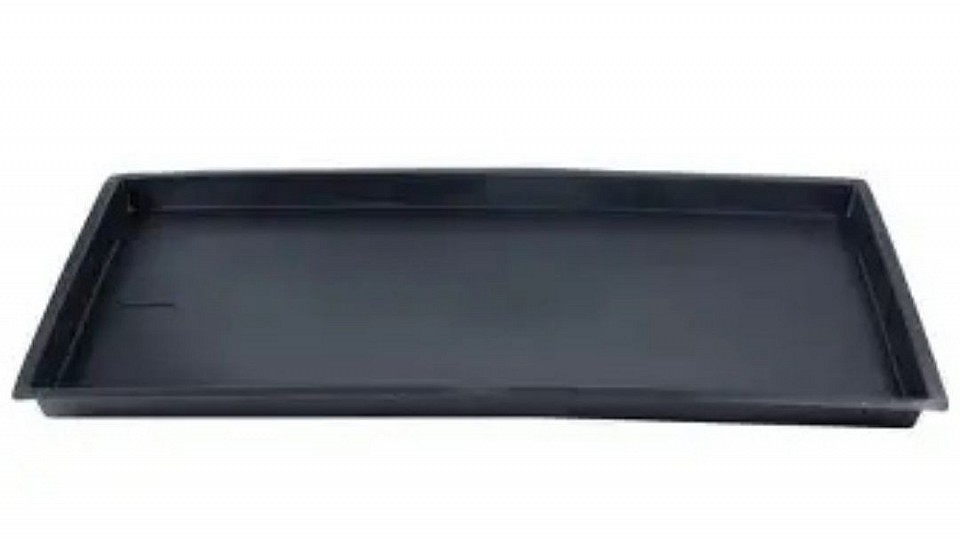
Collect juices and fat during drying, keeping the interior clean and hygienic.
Hanging Hooks / Rods:
Stainless steel hooks or rods for suspending meat strips, ensuring even airflow around each piece.
Replacement Fans:
High‑quality, low‑noise fans to maintain consistent airflow and extend the dryer’s lifespan.
Digital Thermometers / Hygrometers:
Monitor internal temperature and humidity levels for precise drying control.
LED Lighting:
Interior lights to help check drying progress without opening the door.
Charcoal or Carbon Filters:
Reduce odors and improve air quality during the drying process.
Protective Covers:
Dust‑proof covers for when the dryer is not in use, extending equipment life.
Cleaning Kits:
Brushes, sanitizing sprays, and food‑safe cleaners designed for stainless steel interiors.
Smart Controllers / Timers:
Programmable add‑ons that automate drying cycles and alert you when batches are complete.
Replacement Doors / Seals:
Spare parts to maintain airtight performance and prevent heat or airflow loss.
Portable Stands / Trolleys
Add mobility for commercial dryers, making them easier to move and position.
Power Backup Options:
UPS or inverter compatibility to keep dryers running during load‑shedding or power cuts.


What types of meat are used for biltong?
Biltong is traditionally crafted from beef; however, South Africans have progressively explored a diverse array of meats. Beef remains the predominant choice due to its accessibility, affordability, and consistent flavor and texture. Cuts such as silverside or topside are often favored for their lean characteristics.
In addition to beef, game meats are highly regarded. Venison from kudu, springbok, or eland is esteemed for its rich, subtly sweet flavor. Ostrich biltong is another notable variant, offering a leaner, darker meat with a distinctive taste. In coastal areas, some producers create biltong from fish, including tuna or snoek, although this is less prevalent.
Other variations include chicken biltong, which is lighter and more tender, as well as premium options like wagyu beef biltong, known for its marbling and luxurious quality. Each meat type presents a unique flavor profile and texture, providing consumers with a broad selection tailored to their preferences and availability.
What spices and flavors are common in biltong?
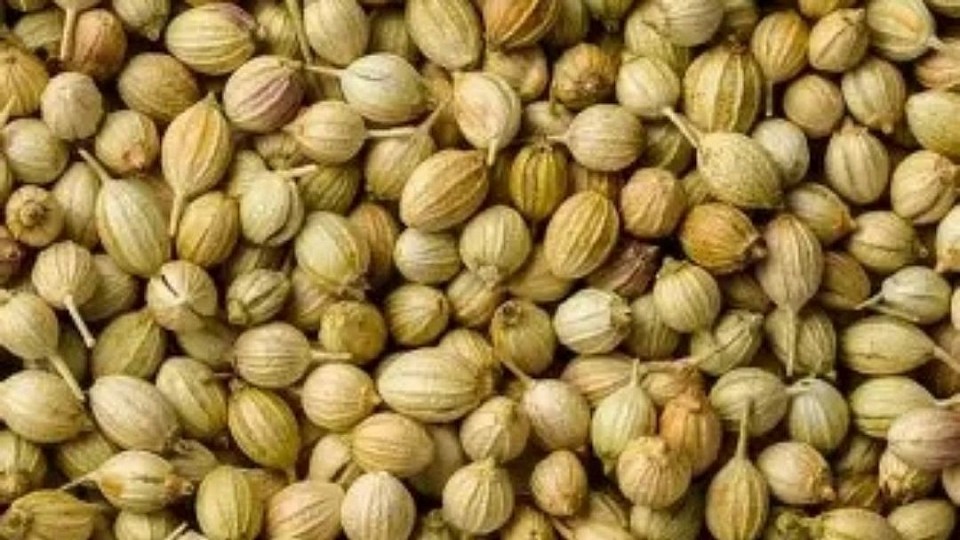
Biltong’s unique flavor profile is derived from a blend of simple yet potent spices and seasonings that have been cherished in South Africa for generations. The cornerstone is typically coriander seeds, which are roasted and ground to release a warm, nutty fragrance. Black pepper contributes sharpness and a subtle heat, while salt is indispensable for curing and preserving the meat. Vinegar—commonly apple cider or malt—adds acidity that tenderizes the meat and balances the protein’s richness.
Beyond these fundamental ingredients, numerous variations exist. Some recipes incorporate brown sugar or molasses to introduce a hint of sweetness, while others include chili flakes or peri‑peri to enhance the heat. Garlic powder and onion powder are occasionally added to enrich the savory depth. Worcestershire sauce is another frequent addition, imparting a tangy, umami complexity to the biltong.
Regional and artisanal producers often explore distinctive flavor profiles. Biltong may be seasoned with herbs such as rosemary or thyme, or infused with exotic spices like paprika, cumin, or mustard seeds. Contemporary variations include smoked biltong, BBQ-style blends, and sweet-and-spicy rubs.
In conclusion, the traditional biltong flavor is founded on coriander, black pepper, salt, and vinegar; however, South Africans appreciate a broad spectrum of variations—from sweet and mild to bold and fiery—reflecting diverse tastes and cultural traditions.


What’s the difference between biltong and beef jerky?
Biltong and beef jerky are both dried meat snacks, yet they differ markedly in their preparation methods, flavor profiles, and textures.
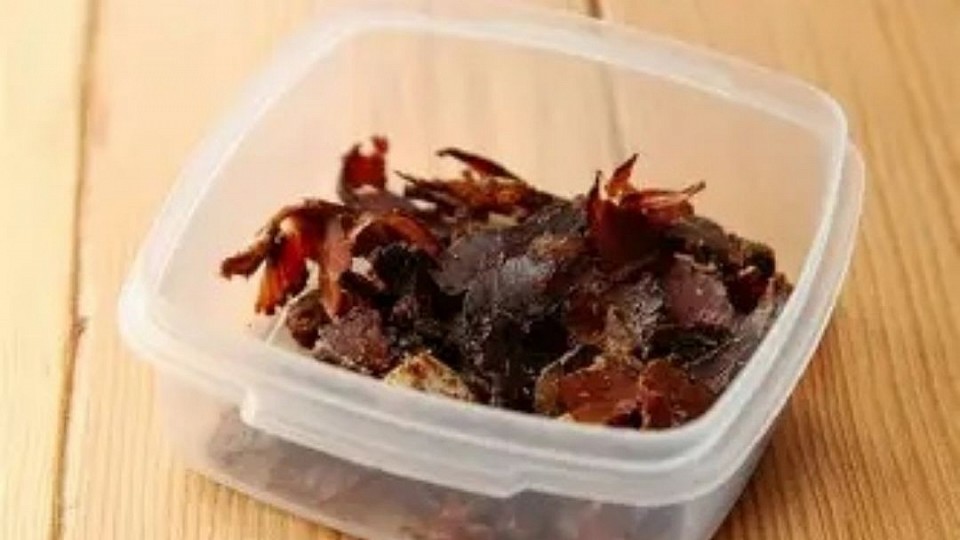
Biltong is a traditional South African delicacy prepared by curing meat with vinegar, salt, and spices such as coriander and black pepper, followed by air-drying at low temperatures. This slow, natural drying process preserves nutrients and results in a tender, slightly chewy texture. Typically, biltong is sliced into thicker pieces or strips, offering a rich, savory flavor with occasional tanginess depending on the vinegar and spice blend employed.
Conversely, beef jerky is an American snack generally marinated in sauces—commonly soy or teriyaki—then cooked and dried at higher temperatures. Jerky tends to be thinner, tougher, and chewier than biltong, featuring smoky or sweet notes influenced by the marinade. Since it is cooked rather than air-dried, jerky exhibits a distinct texture and flavor profile and often contains added sugars or preservatives.
In summary, biltong is air-dried, thicker, and seasoned with vinegar and coriander, whereas jerky is cooked, thinner, and flavored with marinades such as soy or teriyaki. Both are protein-rich snacks; however, biltong is generally regarded as more natural and nutrient-dense, while jerky is typically sweeter and smokier.
Is biltong healthy?
Biltong is widely recognized as a nutritious snack, particularly when compared to many processed alternatives. It is naturally rich in protein, making it an ideal choice for athletes, fitness enthusiasts, and individuals aiming to maintain or build muscle mass. A modest serving of beef biltong can supply nearly half of the recommended daily protein intake while remaining relatively low in calories. This combination provides a satisfying option that supports sustained energy without contributing excessive calories to the diet.
Additionally, biltong is valued for its nutrient composition. It is an excellent source of iron, vital for healthy blood and oxygen transport, and vitamin B12, which is essential for nerve function and energy metabolism. As an air-dried product rather than fried or heavily processed, biltong preserves much of its nutritional integrity. Traditional recipes are naturally gluten-free and sugar-free, utilizing vinegar, salt, and spices such as coriander and black pepper to enhance flavor.
Biltong aligns well with contemporary dietary trends such as keto, banting, and paleo due to its low carbohydrate and high protein content. This makes it a versatile snack for individuals reducing carbohydrate intake while seeking a filling and flavorful option. Compared to crisps, sweets, or other convenience foods, biltong provides a cleaner, nutrient-dense alternative.
Nevertheless, moderation is essential. Since biltong is cured with salt, it can contain high sodium levels, which may pose health risks if consumed excessively. Additionally, moist or inadequately dried biltong may spoil more rapidly, emphasizing the importance of quality and proper storage. Selecting lean cuts and reputable suppliers ensures the product remains both safe and nutritious.
In conclusion, biltong is a nutrient-dense, high-protein, low-carbohydrate snack suitable for a healthy diet. It offers significant benefits for athletes, dieters, and health-conscious individuals, but, as with all foods, it should be consumed in moderation to manage sodium intake and promote overall well-being.

Does biltong expire?
Biltong does have an expiration date, although its shelf life significantly exceeds that of many other meat products due to its air-drying and curing process. This drying method removes most moisture, thereby inhibiting bacterial growth and spoilage. When properly dried and stored in a cool, dry environment—preferably in breathable paper bags to prevent moisture accumulation—biltong can remain fresh for several weeks without refrigeration.
Nonetheless, biltong is susceptible to spoilage if stored improperly. For example, keeping it in sealed plastic without refrigeration can accelerate mold growth or rancidity. Moist biltong, which retains greater softness and fat content, tends to spoil more rapidly than drier cuts. Utilizing refrigeration or vacuum-sealing can extend its shelf life to several months; however, even under these conditions, the product will eventually lose its freshness and flavor.
In summary, while biltong does expire, appropriate storage methods ensure it remains safe and enjoyable for an extended period. Dry biltong has a longer shelf life compared to moist varieties, and refrigeration or vacuum-sealing is advisable for prolonged preservation.
How should biltong be stored?
Biltong must be stored with care to maintain its flavor, texture, and safety. As an air-dried product, it has a longer shelf life than fresh meat; however, proper storage conditions are crucial.
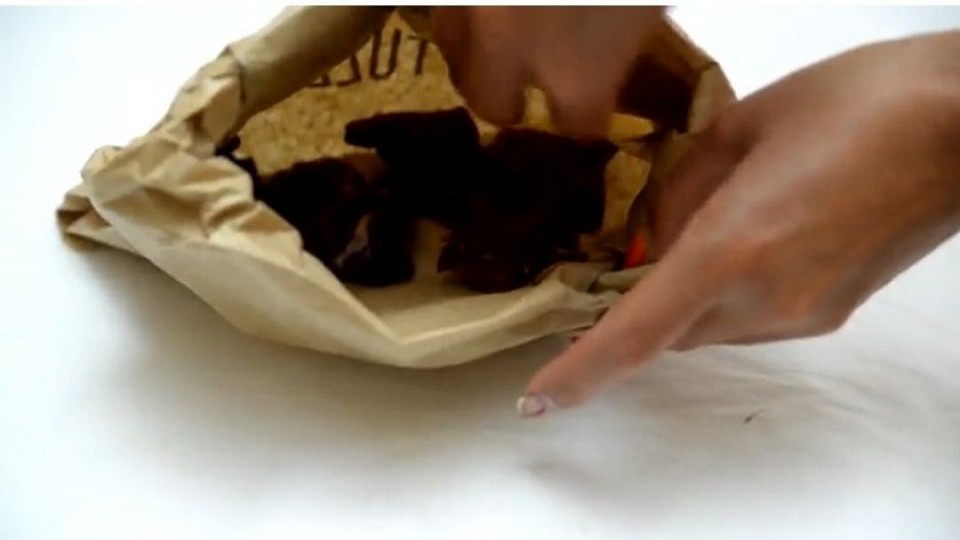
For short-term storage, biltong should be kept in a cool, dry environment at room temperature. The optimal method is to use a breathable paper bag, which facilitates air circulation and prevents moisture accumulation. Plastic bags are not recommended unless the biltong will be consumed promptly, as they retain humidity and promote mold growth.
For medium-term storage, refrigeration is advisable. Place the biltong in a paper bag or wrap it in kitchen towel before refrigerating to absorb excess moisture, thereby preserving freshness for several weeks. Vacuum-sealed packaging is also effective, extending shelf life while maintaining flavor integrity.
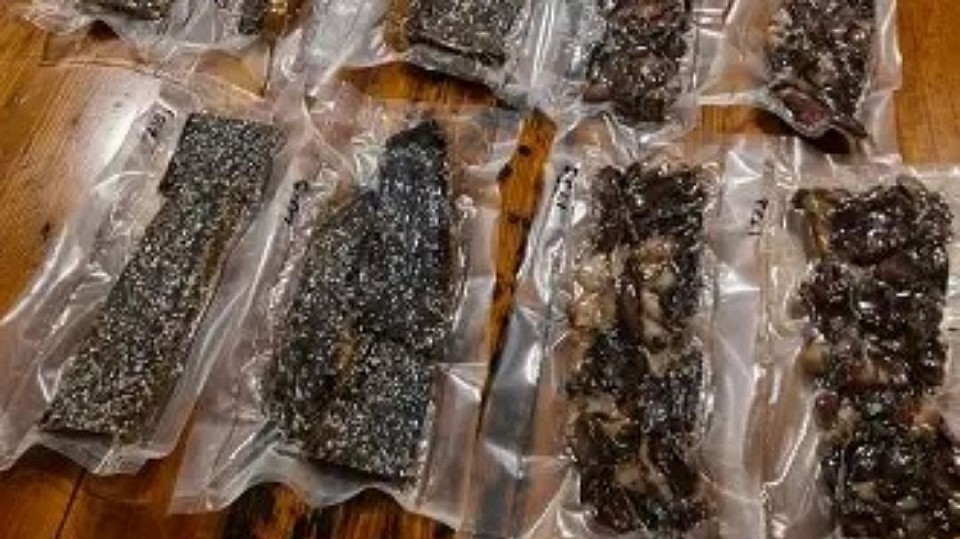
For long-term preservation, biltong can be frozen. Freezing extends its usability for several months; however, it should be thawed gradually at room temperature to prevent texture degradation. Dry biltong freezes more effectively than moist varieties, which may experience quality loss upon defrosting.
Moist biltong spoils more rapidly than dry cuts and thus demands more meticulous storage. In all cases, avoid exposure to direct sunlight, humid conditions, or airtight containers lacking airflow, as these factors encourage mold development.