
Gas Braai Guide: Tips, Safety, and Buying Advice
Features Buyers Should Look For in Gas Braais
Burner Count & Heat Zones:
More burners mean greater flexibility. Multiple heat zones allow you to cook different foods at once—searing steaks on high heat while slow‑cooking vegetables on low.
Temperature Control:
Adjustable knobs and reliable regulators give you precise control over cooking temperatures, ensuring consistent results every time.
Ignition System:
Look for push‑button or electronic ignition for quick, hassle‑free startup without matches or lighters.
Heat Distribution:
Quality gas braais use heat deflectors or flame tamers to spread heat evenly, preventing hot spots and ensuring uniform cooking.
Construction Materials:
Stainless steel or coated cast iron ensures durability, rust resistance, and long‑term performance—even in outdoor conditions.
Portability & Size Options:
Compact, wheeled, or foldable models are perfect for patios, camping, or smaller spaces, while larger units suit outdoor kitchens.
Fuel Efficiency:
Efficient burners reduce gas consumption, saving costs while maximizing cooking time.
Safety Features:
Flame failure devices, sturdy lids, and heat‑resistant handles protect users and ensure compliance with safety standards.
Maintenance & Cleaning:
Removable drip trays, easy‑to‑clean surfaces, and replaceable parts make upkeep simple and extend the life of your braai.
Extra Features:
Side burners, rotisserie attachments, and warming racks add versatility, letting you prepare full meals outdoors.
Accessories and Add‑Ons for Gas Braais
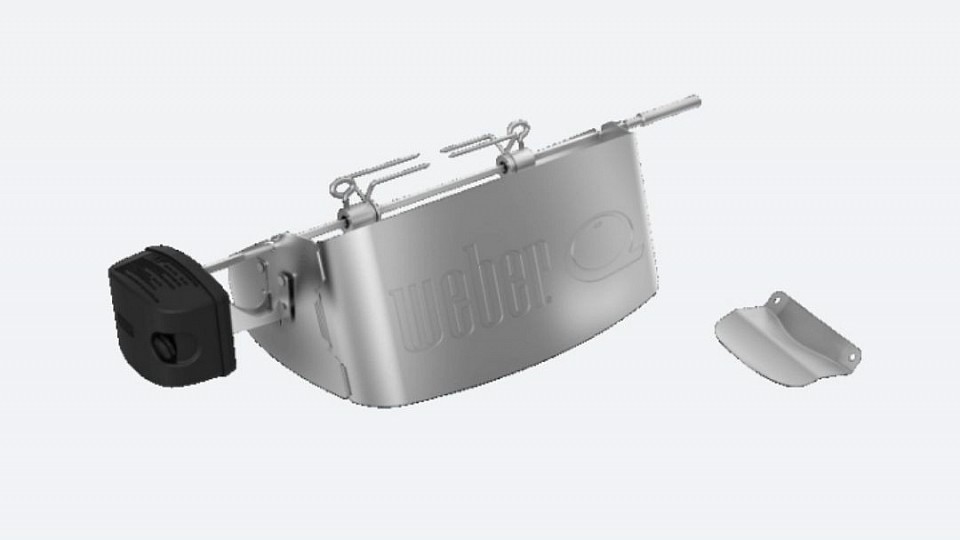
Rotisserie Kit:
A motorized spit that slowly rotates meat, ensuring even cooking and juicy results—perfect for roasts and poultry.
Side Burner:
An additional burner on the side of the braai, ideal for preparing sauces, sides, or boiling water while grilling.
Warming Rack:
A raised rack above the main grill surface, used to keep food warm or toast bread without direct heat.
Heat Deflectors / Flame Tamers:
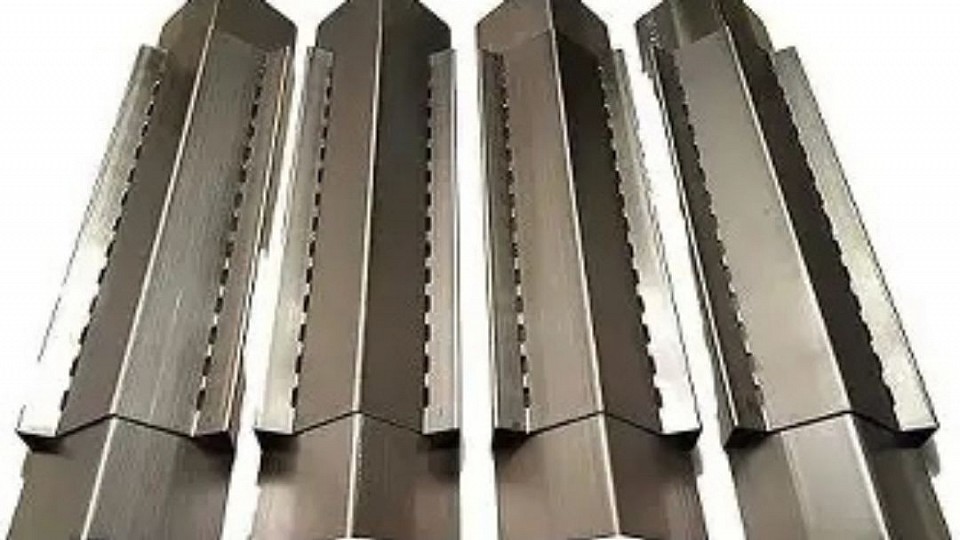
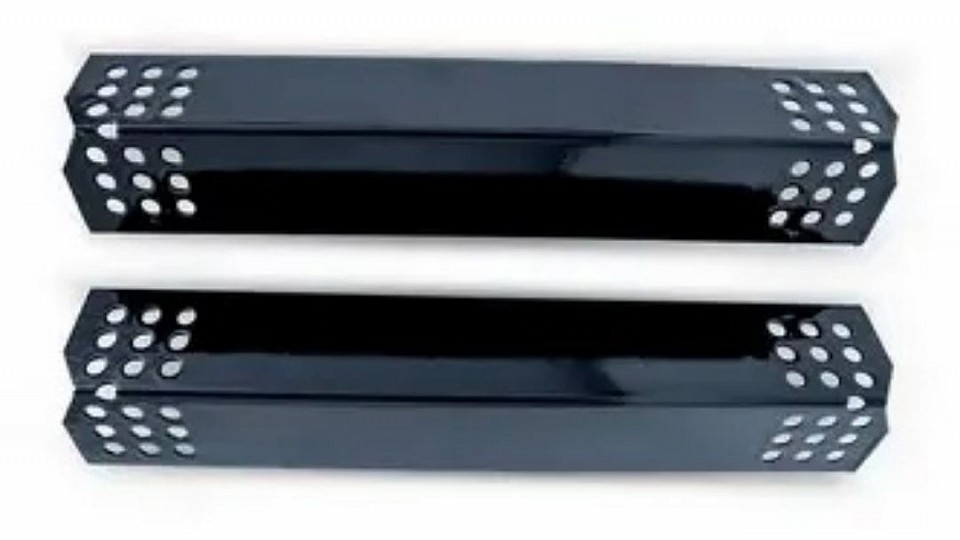
Metal plates that sit above the burners, distributing heat evenly and reducing flare‑ups for consistent cooking.
Griddle Plate:
A flat, solid surface that allows you to cook foods like eggs, pancakes, or stir‑fries directly on the braai.
Pizza Stone / Pizza Oven Attachment:
A ceramic or steel stone that transforms your gas braai into a pizza oven, delivering crisp bases and smoky flavor.
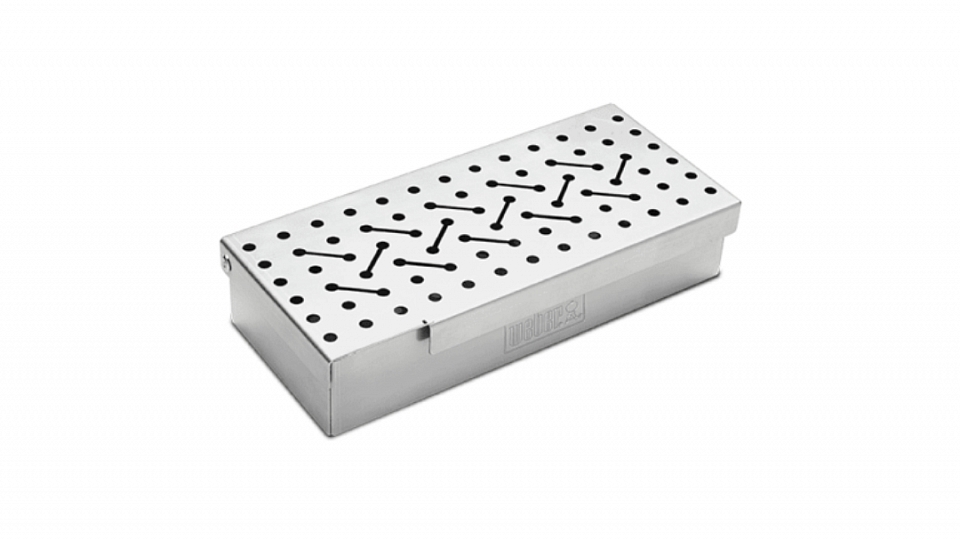
Smoker Box:
A small box for wood chips that adds smoky flavor to meats and vegetables when placed over the burners.
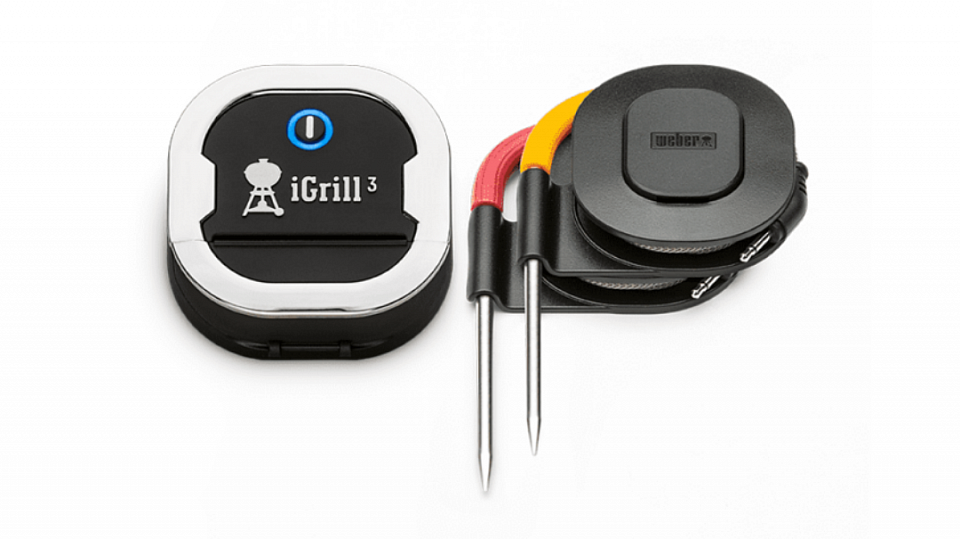
Thermometers & Probes:
Built‑in or digital add‑ons that monitor internal food temperatures and grill heat for precision cooking.
Drip Tray / Grease Management System:
Collects excess fat and juices, making cleaning easier and reducing flare‑ups.
Protective Cover:
Weather‑resistant covers that shield your gas braai from rain, dust, and UV damage, extending its lifespan.
Tool Hooks & Storage Racks:
Handy attachments for hanging tongs, spatulas, and brushes, keeping your workspace organized.
Portable Gas Cylinder Adapter:
Allows connection to smaller, portable cylinders for camping or mobile braai setups.
Cast Iron Cooking Grates:
Heavy‑duty grates that retain heat well, producing excellent sear marks and long‑lasting durability.
Are gas braais better than charcoal or wood braais?
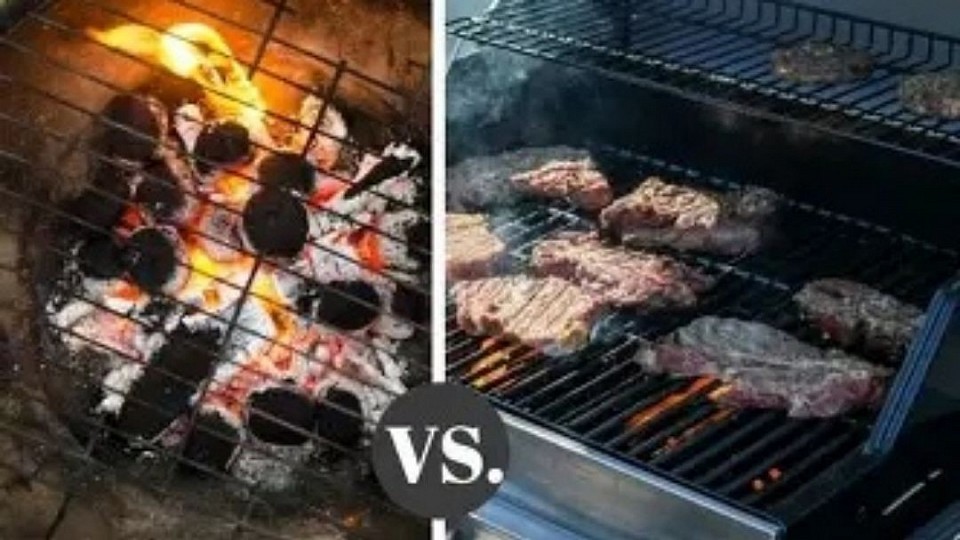
The preference between gas braais and charcoal or wood braais largely depends on the priorities one holds in the braai experience. Gas braais are renowned for their convenience, speed, and precise control, whereas charcoal and wood braais are celebrated for their traditional flavor and ambiance.
Gas braais are engineered for efficiency, igniting swiftly—often at the push of a button—and reaching optimal cooking temperatures within 10–15 minutes. This makes them ideal for busy households or individuals who braai frequently without the inconvenience of lighting fires or waiting for coals to mature. Additionally, gas braais offer precise temperature regulation, with multiple burners enabling distinct heat zones for searing, slow cooking, or warming food. Maintenance is also simplified, as there are no ashes to dispose of—only drip trays and grates requiring cleaning. For many, this level of convenience surpasses the traditional fire-building ritual.
Conversely, charcoal and wood braais provide an experience that gas cannot replicate: authentic smoky flavor and cultural tradition. The burning coals or wood impart a distinctive taste that many South Africans regard as essential to a genuine braai. The process of igniting the fire, managing the coals, and cooking over natural heat forms an integral part of the cultural ritual. Wood, in particular, enhances the atmosphere with its crackling flames and aromatic qualities, making it a favored choice for social gatherings. Although charcoal and wood require more preparation time and skill to control heat, they deliver a flavor profile unmatched by gas braais.
From a practical standpoint, gas braais are preferable for rapid, controlled cooking, especially when entertaining large groups or preparing multiple dishes simultaneously. They also offer enhanced safety in enclosed or urban environments where open flames may be restricted. In contrast, charcoal and wood braais excel in delivering superior flavor, tradition, and ambiance, appealing to purists who regard braaiing as more than mere cooking—it is a ritual and a social event.
In conclusion, gas braais are optimal for those prioritizing speed, convenience, and precision, while charcoal and wood braais are ideal for those who value authentic flavor, tradition, and atmosphere. Many South Africans opt to own both, utilizing gas braais for everyday meals and reserving wood or charcoal braais for special occasions when the full braai experience is desired.
How do I clean and maintain a gas braai?
Proper cleaning and maintenance of a gas braai are crucial to ensure safety, optimal performance, and longevity. Unlike charcoal braais, gas models do not produce ash; however, they do accumulate grease, food residues, and carbon deposits that can impair functionality if not addressed. An effective maintenance regimen includes routine cleaning after each use and comprehensive inspections every few months.
Begin with the grates and cooking surfaces. After cooking, ignite the burners on high for 5–10 minutes with the lid closed to incinerate residual food particles. Once cooled, clean the grates using a stiff wire brush or a grill-safe cleaning tool. For more stubborn deposits, soak the grates in warm, soapy water and rinse thoroughly. Cast iron grates should be lightly oiled post-cleaning to prevent rust, whereas stainless steel grates can be polished with a non-abrasive cleaner.
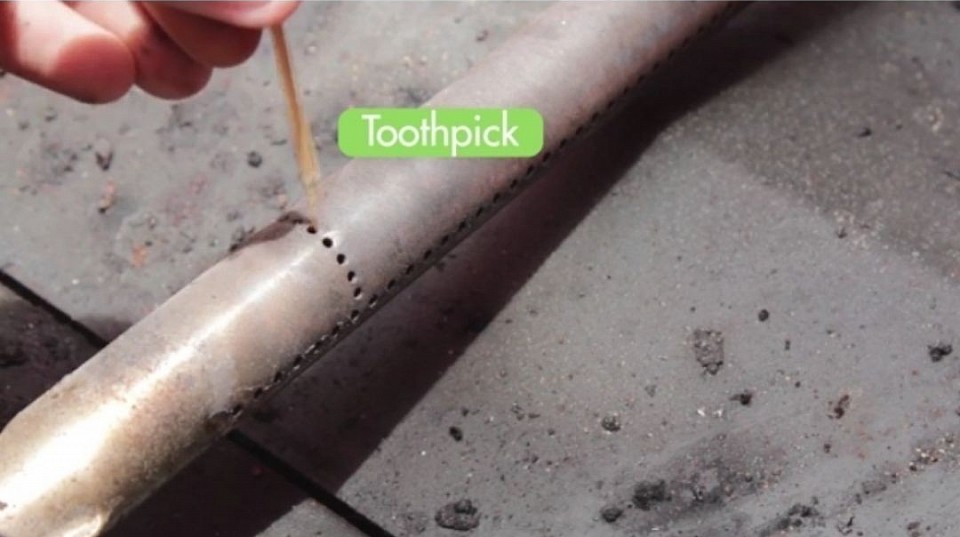
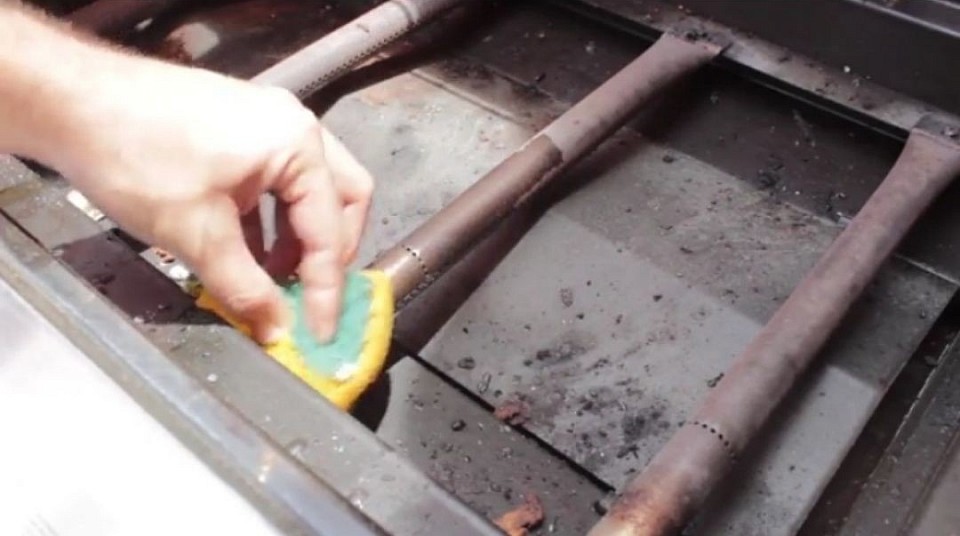
Proceed to the burners and flame tamers. Remove the flame tamers—metal plates or ceramic briquettes positioned above the burners—and clean them with warm water and a mild detergent. Inspect the burners for blockages caused by grease or insects, which can obstruct gas ports and result in uneven flames. Use a thin wire or toothpick to clear the holes carefully, avoiding any enlargement. Reassemble the components precisely to maintain proper alignment.
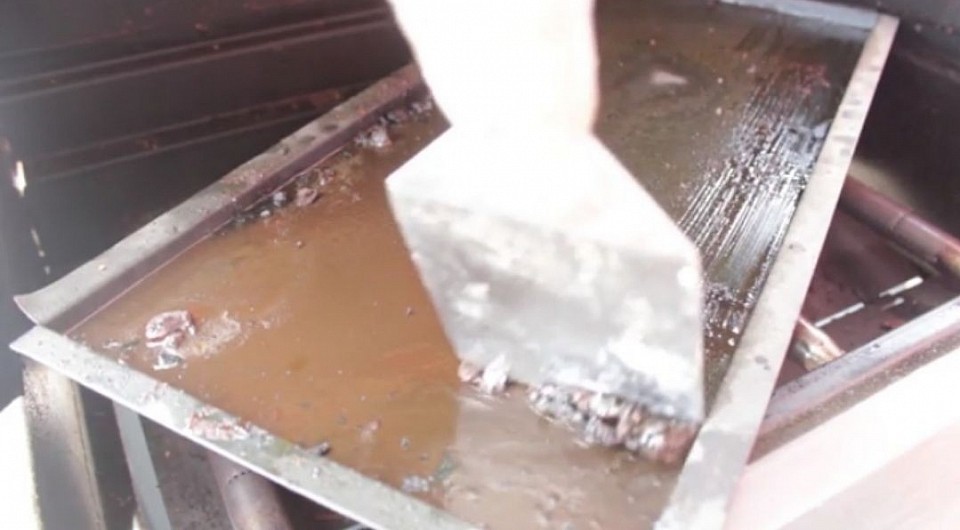
Attention should also be given to the drip tray and interior surfaces. Regularly empty the drip tray to prevent grease fires, and wash it with hot, soapy water. Wipe the interior of the lid and walls with a damp cloth to remove carbon buildup. For persistent stains, apply a baking soda and water paste. Avoid harsh chemicals that may damage finishes or leave harmful residues.
Lastly, do not overlook external maintenance and safety inspections. Clean the exterior with a stainless steel cleaner or a mild soap solution to preserve its appearance. Examine gas hoses and connections for cracks, leaks, or wear. Apply a soapy water solution to fittings and observe for bubbles when the gas is on, indicating a leak. Replace any damaged components immediately. Store the braai under a protective cover when not in use, particularly in coastal areas where humidity and salt can accelerate corrosion.
In conclusion, maintaining a gas braai involves a combination of routine cleaning after each use and periodic thorough inspections of burners, drip trays, and gas connections. This approach not only prolongs the lifespan of your braai but also guarantees safe and consistent cooking performance every time.
How long should I preheat a gas braai before cooking?
Preheating a gas braai is a crucial step to ensure even cooking and optimal searing of meat. Unlike charcoal or wood braais, which require 30–40 minutes to reach the ideal temperature, gas braais heat up significantly faster. Typically, you should preheat your gas braai for 10 to 15 minutes with the lid closed before placing food on the grates. This allows the burners to stabilize at the desired cooking temperature and the grates to become sufficiently hot to produce the characteristic sear marks.
The precise preheating duration depends on factors such as the number of burners, the braai’s size, and the type of food being prepared. For quick-cooking items like vegetables or thin meat cuts, 7–10 minutes of preheating is generally adequate. For thicker cuts, including steaks, roasts, or chicken pieces, approximately 15 minutes is recommended to ensure the grates are thoroughly heated and capable of delivering a robust sear. Additionally, preheating helps to burn off residual food particles from previous use, resulting in a cleaner and safer cooking surface.
Temperature control is another important consideration. Most gas braais are equipped with built-in thermometers that provide an accurate indication when the cooking chamber has reached the target temperature. For high-heat cooking, such as searing steaks, aim for 230–260°C. For medium-heat cooking, suitable for chicken or sausages, 175–200°C is optimal. Preheating ensures the braai consistently attains these temperature ranges, preventing undercooked food and uneven cooking results.
In conclusion, always preheat your gas braai for 10–15 minutes with the lid closed prior to cooking. This practice guarantees even heat distribution, effective searing, and a cleaner cooking surface. Neglecting to preheat often results in food sticking to the grates, uneven cooking, and diminished flavor development. Incorporating preheating into your routine will ensure you achieve the best performance and taste from your gas braai every time.
How do I prevent flare-ups when cooking fatty meats on a gas braai?
Flare-ups are a frequent challenge when grilling fatty meats on a gas braai, but they can be effectively controlled with appropriate techniques. Flare-ups occur when fat drips onto the burners or flame tamers, igniting and causing sudden bursts of flame. While moderate flare-ups can enhance flavor, excessive flare-ups may burn the food and result in uneven cooking. Preventing flare-ups requires a combination of proper preparation, cooking methods, and regular braai maintenance.
The initial step involves adequately preparing the meat. Trim excess fat from cuts such as steaks, chops, or chicken pieces before placing them on the braai. Retaining some fat is beneficial for flavor, but large fat deposits will drip excessively and provoke flare-ups. Additionally, marinating the meat beforehand can reduce surface fat and create a protective layer that minimizes dripping.
Next, emphasize heat management and cooking technique. Avoid cooking fatty meats directly over high flames for extended periods. Instead, employ a two-zone cooking method: sear the meat briefly over high heat, then transfer it to a cooler zone to complete cooking. This approach reduces the amount of fat dripping directly onto the burners. Keep the lid closed as much as possible to regulate airflow and prevent uncontrolled flare-ups. If a flare-up occurs, move the meat to a cooler section until the flames subside—never use water to extinguish flames, as this can damage the braai and spread grease.
Consistent braai maintenance is also crucial. Clean the drip tray regularly to prevent grease accumulation, and ensure that flame tamers or ceramic briquettes are in good condition. These components are designed to catch drippings and vaporize them safely, thereby reducing flare-ups while enhancing flavor. If they become worn or clogged, flare-ups are more likely. Keeping burners clean and free of obstructions also promotes even heat distribution, which helps prevent hot spots where flare-ups may originate.
Finally, adopt safe cooking practices. Keep a spray bottle of water nearby—not to extinguish flames, but to lightly mist food if it begins to smoke excessively. Always have long tongs on hand to move meat swiftly, and keep a fire extinguisher accessible for emergencies. By trimming fat, managing heat zones, maintaining your braai, and remaining vigilant during cooking, you can enjoy juicy, flavorful meat without the inconvenience of persistent flare-ups.

Can I use a gas braai indoors or in a covered area?
Operating a gas braai indoors or within a covered area is generally inadvisable unless the space is explicitly designed and ventilated for gas appliances. Gas braais emit heat, carbon monoxide, and other combustion byproducts that can become hazardous if allowed to accumulate in enclosed environments. Inadequate ventilation may lead to serious health risks, including suffocation or poisoning. Furthermore, the intense heat generated by a gas braai elevates the risk of fire when positioned too close to walls, ceilings, or combustible materials.
If you intend to use a gas braai in a covered space such as a patio or veranda, it is imperative to ensure sufficient ventilation. The area should be open on at least two sides to facilitate air circulation and prevent gas accumulation. Usage of a gas braai in garages, kitchens, or enclosed rooms—even with open windows—is strongly discouraged, as this does not provide adequate ventilation. Manufacturers typically advise against indoor use for these reasons, and failure to adhere to these guidelines may void warranties or insurance coverage.
Strict safety precautions must be observed when using a gas braai under a roofed structure. Maintain a minimum distance of one meter between the braai and any walls, ceilings, or furniture. Regularly inspect the gas cylinder and connections to ensure they are secure and free from leaks. Always have a fire extinguisher readily accessible and never leave the braai unattended during operation. For built-in gas braai installations within covered entertainment areas, consult a professional installer to guarantee compliance with local building codes and safety regulations.
In conclusion, gas braais should never be operated indoors and may only be used in covered areas if adequate ventilation and stringent safety measures are in place. For routine use, the safest practice is to operate your gas braai outdoors in open air, thereby minimizing the risks of gas buildup and fire hazards. This approach allows you to enjoy the convenience of gas cooking without compromising safety.
What are the pros and cons of gas braais compared to traditional braais?
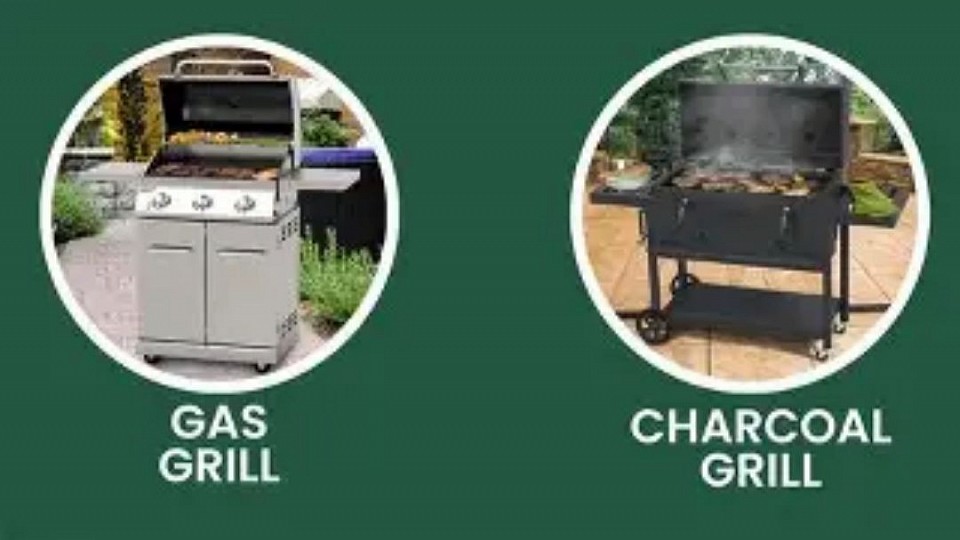
When comparing gas braais to traditional charcoal or wood braais, the distinction primarily lies between convenience and tradition. Each option presents distinct advantages and disadvantages, and the preferred choice ultimately depends on the priorities of the braai experience.
Gas braais are renowned for their rapid ignition and ease of operation. With the simple push of a button, they ignite instantly and reach optimal cooking temperatures within 10–15 minutes, significantly faster than waiting for coals or wood to burn down. They offer precise temperature control, often featuring multiple burners that create varied heat zones suitable for searing, slow cooking, or keeping food warm. Maintenance is straightforward, as there are no ashes to dispose of—only drip trays and grates require cleaning. For busy households or frequent entertainers, gas braais deliver consistent results with minimal effort. Additionally, they provide enhanced safety in urban or enclosed environments where open flames may be restricted.
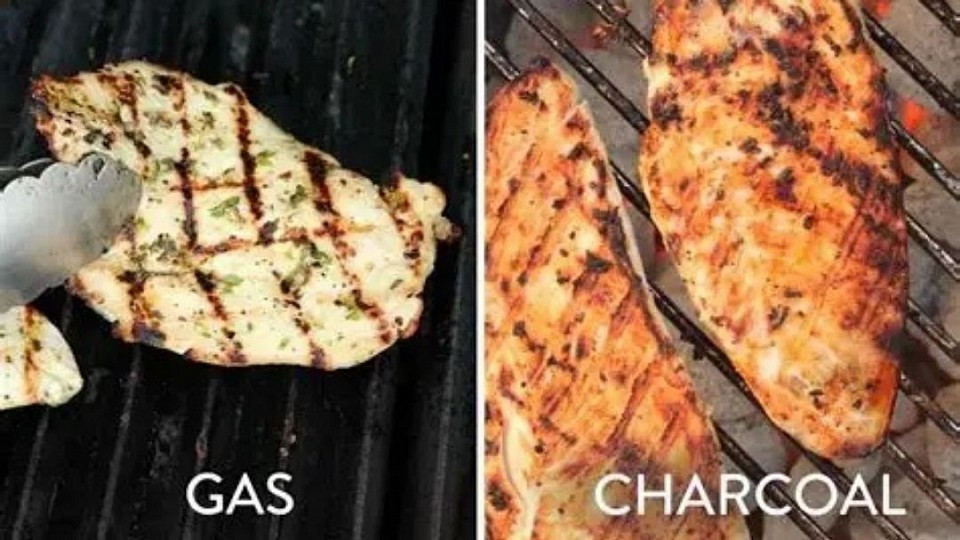
Conversely, traditional charcoal and wood braais provide an authentic smoky flavor and ambiance that gas cannot replicate. The burning coals or wood impart a distinctive taste to the meat, which many South Africans regard as essential to an authentic braai. The process of igniting the fire, managing the coals, and cooking over natural heat forms an integral part of the cultural ritual. Wood, in particular, fosters a vibrant social atmosphere with its crackling flames and aromatic smoke, making it a popular choice for gatherings. Although these braais require more preparation time and skill to regulate heat, they reward patience with unparalleled flavor and tradition.
However, gas braais may be perceived as less authentic by purists, as they lack the smoky flavor and ceremonial fire-building experience. They also depend on gas cylinders, which require refilling and can incur additional costs. Traditional braais, while rich in flavor, are less convenient—they demand more time, effort, and cleanup, and heat control can be challenging for novices.
In conclusion, gas braais excel in convenience, speed, and temperature control, making them ideal for everyday use. In contrast, charcoal and wood braais offer superior flavor, tradition, and atmosphere, making them the preferred choice for special occasions or those who value the cultural ritual. Many South Africans opt to own both types, utilizing gas braais for quick meals and charcoal or wood braais when seeking the full braai experience.
What size gas braai is best for my family or entertaining needs?
The optimal size of a gas braai for your family or entertaining requirements depends on the number of people you typically cook for, the available space at home, and your preferred braaiing style. Smaller families or couples often find that a compact two-burner gas braai suffices. These models are easy to store, heat up quickly, and are ideal for preparing everyday meals such as steaks, chicken pieces, or vegetables. Additionally, they are more fuel-efficient, minimizing gas consumption when cooking smaller portions. Portable gas braais are well-suited for apartments, townhouses, or homes with limited outdoor space and can also be conveniently taken on camping trips or picnics.
For medium-sized families or casual entertainers, a three-burner gas braai typically represents the ideal balance. This size offers ample cooking surface to prepare multiple dishes simultaneously while remaining manageable in terms of space and fuel usage. With three burners, you can establish distinct heat zones—searing meat on high heat while keeping side dishes warm on lower settings. This versatility facilitates cooking for groups of 4–6 people comfortably.
If you frequently host large gatherings or enjoy entertaining, a four- to six-burner gas braai is the most suitable option. These larger models provide expansive cooking surfaces, multiple heat zones, and often include additional features such as warming racks, side burners, or rotisserie attachments. They enable you to cook a variety of foods simultaneously—burgers, sausages, chicken, and vegetables—without overcrowding the grill. Built-in gas braais are popular for outdoor kitchens, offering a professional setup capable of handling sizable events. Although they require more space and gas, they deliver consistent performance and convenience when cooking for 10 or more guests.
In summary, selecting the appropriate gas braai size depends on your lifestyle: two burners for small families or everyday use, three burners for medium households and casual entertaining, and four to six burners for large families or frequent hosts. Aligning the braai size with your cooking habits and available space ensures efficient gas usage and a more enjoyable braai experience.
What safety precautions should I follow when using a gas braai?
When operating a gas braai, prioritizing safety is imperative. While gas appliances offer convenience and efficiency, they utilize pressurized fuel and open flames, necessitating meticulous handling. Adhering to essential safety measures will enable you to use your braai with confidence and security.
Begin by conducting regular equipment inspections. Prior to each use, examine the gas cylinder, hoses, and connections for any signs of cracks, leaks, or deterioration. To detect leaks, apply a soapy water solution to the connections—if bubbles appear when the gas is activated, a leak is present and must be addressed before use. Never operate a gas braai with damaged or defective components, and promptly replace any worn parts.
Next, ensure proper placement and ventilation. Gas braais must be used exclusively outdoors or in well-ventilated covered areas open on at least two sides. Never operate a gas braai indoors, in a garage, or within enclosed spaces, as this poses a risk of hazardous carbon monoxide accumulation. Position the braai on a stable, level surface, away from walls, ceilings, and combustible materials. Maintain a safe distance between the braai and children or pets during operation.
During use, adhere to safe cooking practices. Always ignite the burners with the lid open to prevent gas accumulation inside the chamber. After ignition, close the lid to preheat and cook, while continuously monitoring the flame to ensure it remains steady. Avoid leaving the braai unattended, particularly when cooking fatty meats that may cause flare-ups. Keep a fire extinguisher accessible, and never use water to extinguish grease fires, as this can exacerbate the flames.
Finally, observe proper shutdown and storage procedures. After cooking, turn off the burners first, then close the gas cylinder valve to eliminate residual gas in the lines. Allow the braai to cool completely before covering or storing. Store gas cylinders upright in a cool, ventilated location, away from direct sunlight and heat sources.
In conclusion, safe operation of a gas braai depends on regular inspections, adequate ventilation, vigilant cooking practices, and secure storage. By following these guidelines, you can enjoy the benefits of gas braaiing while minimizing risks to yourself, your family, and your property.

Can a gas braai also use wood or charcoal (combo braais)?
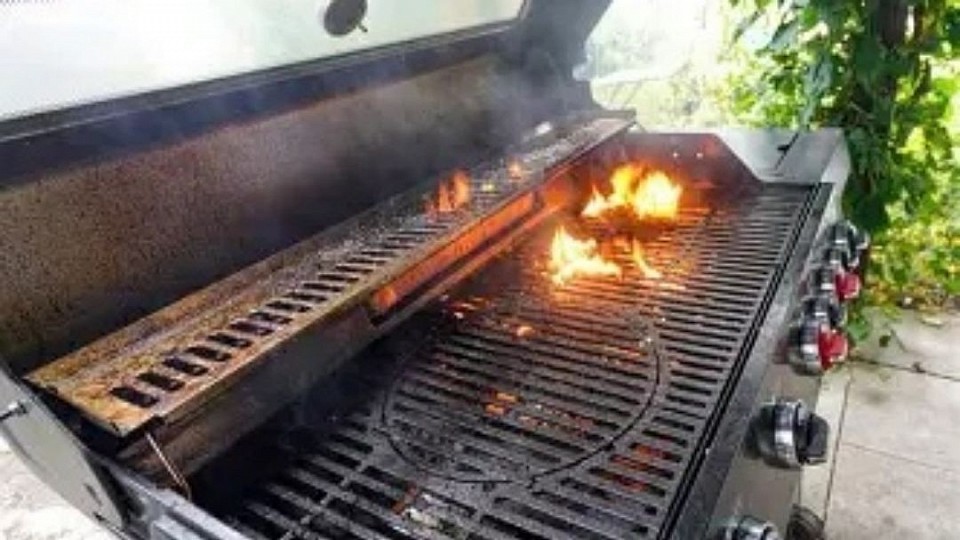
Certain gas braais are engineered as hybrid combo units, capable of utilizing both gas and charcoal or wood. These versatile models are favored for providing the convenience of gas cooking alongside the option to switch to traditional fuels, delivering authentic smoky flavor and ambiance.
A standard combo braai features a gas burner section with multiple burners, complemented by a separate tray or compartment designated for charcoal or wood. This design enables you to select your preferred cooking method based on the occasion. For everyday meals, gas offers rapid ignition and precise temperature control. For weekends or social gatherings, charcoal or wood can be placed in the dedicated tray, imparting the genuine smoky taste cherished by many South Africans. Some models even permit simultaneous use of both fuel types, allowing meat to be seared over gas while infusing smoky notes from wood chips or charcoal.
The primary benefit of combo braais lies in their flexibility. They eliminate the need to choose between speed and tradition by combining both functionalities in a single appliance. These units are particularly advantageous for families or hosts who desire quick weekday cooking and richly flavored weekend braais. However, combo braais tend to be larger, more costly than single-fuel models, and require additional maintenance due to the need to clean both gas components and ash trays.
In conclusion, gas braais can indeed be manufactured as hybrid combo units incorporating charcoal or wood. They deliver the optimal balance of gas efficiency and traditional braai flavor. For those who prioritize convenience without sacrificing the cultural experience of cooking over an open flame, a combo braai represents an outstanding choice.