Droëwors: South Africa’s Favorite Dried Sausage
What is droëwors?
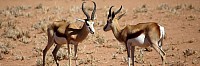
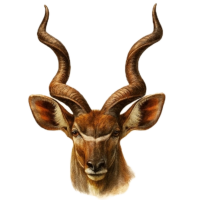
Droëwors is a traditional South African delicacy, the term translating to “dry sausage” in Afrikaans. It is closely related to boerewors; however, unlike boerewors which is typically grilled on a braai, droëwors undergoes an air-drying process until it becomes firm. This method renders it shelf-stable, making it an ideal choice for travel, road trips, and outdoor activities where refrigeration is unavailable. The sausage is primarily made from beef, occasionally blended with game meats such as kudu or springbok, and contains approximately 30% fat to maintain flavor and juiciness. Pork and veal are generally excluded due to their fat’s propensity to spoil during drying.
The seasoning of droëwors is straightforward yet distinctive. Coriander serves as the signature spice, imparting a warm, nutty aroma, complemented by black pepper, salt, nutmeg, cloves, and vinegar to enhance depth and balance. While some contemporary recipes incorporate chili or garlic for added intensity, the traditional coriander-forward profile remains the defining characteristic.
From a nutritional perspective, droëwors is rich in protein—typically providing 45–50 grams per 100 grams—and low in carbohydrates, making it suitable for low-carb and ketogenic diets. It also supplies essential minerals such as iron and zinc. Nevertheless, due to its relatively high fat and sodium content, consumption in moderation is advisable. The texture is firm and crisp, with a savory flavor that pairs excellently with beer, cider, or wine, contributing to its popularity at braais, rugby matches, and social gatherings.
Culturally, droëwors occupies a significant place in South African heritage. Similar to biltong, it transcends being merely a snack; it embodies tradition, community, and the resourcefulness of preserving meat adapted to the local climate. Presently, droëwors is widely accessible through butcheries, supermarkets, specialty biltong outlets, and online retailers, ensuring this cherished snack remains an integral part of daily life throughout the country.
What is the difference between droëwors and biltong?
Droëwors and biltong are both quintessential South African dried meat delicacies, distinguished by their form, preparation methods, and flavor profiles.
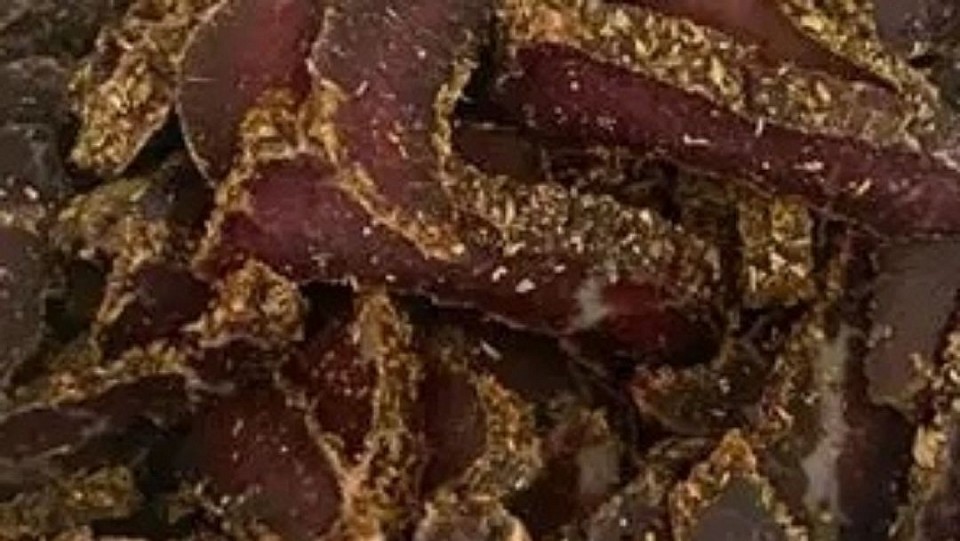
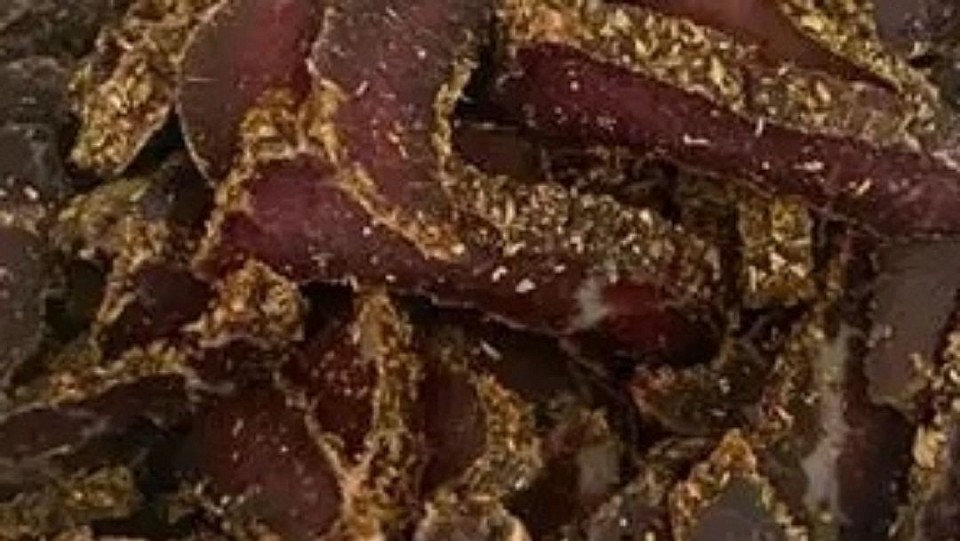
Biltong consists of strips or slices of meat—predominantly beef, though game and other meats are also utilized. The meat is cured using vinegar, salt, and spices such as coriander and black pepper, then air-dried until it achieves a tender texture.
Conversely, droëwors is a dried sausage derived from boerewors, South Africa’s renowned fresh sausage. Instead of cooking, it undergoes air-drying. Droëwors is seasoned with coriander, pepper, salt, and vinegar, and is typically made from beef containing approximately 30% fat to enhance flavor.
In summary, the primary distinction lies in biltong being dried meat cut into strips, whereas droëwors is a dried sausage. Biltong offers a tender, sliceable texture, while droëwors is characterized by a crisp and snappy bite. Both are rich in protein, nutrient-dense, and deeply embedded in South African culinary heritage, yet they provide distinct eating experiences—one being chewy and versatile, the other bite-sized and convenient.

Is droëwors healthy?
Droëwors represents a nutritious snack choice, contingent upon portion control and preparation methods, similar to biltong. As it is air-dried rather than fried or extensively processed, droëwors preserves much of its nutritional integrity and is inherently rich in protein. A 100-gram serving typically delivers approximately 45–50 grams of protein, making it highly effective for muscle repair and energy provision. Additionally, its low carbohydrate content renders it compatible with low-carb, ketogenic, and banting dietary regimens.
From a nutritional standpoint, droëwors supplies essential minerals such as iron and zinc, which are vital for blood health and immune system support. The coriander-based spice blend enhances flavor without the addition of sugars or artificial additives, positioning droëwors as a cleaner alternative to many processed snack options.
Nonetheless, droëwors can contain a relatively high fat content, as traditional recipes utilize beef with approximately 30% fat to enhance flavor and juiciness. It is also cured with salt, resulting in notable sodium levels. Excessive consumption may lead to increased calorie and sodium intake; therefore, moderation is advised. Opting for leaner beef cuts or game meats such as kudu or springbok can provide a lighter variant of droëwors.
In conclusion, droëwors is a protein-dense, low-carbohydrate snack that integrates well into various healthy eating plans. It delivers valuable nutrients and a robust flavor profile but should be consumed in moderation to maintain a balanced intake of fat and sodium.
How long does droëwors last?
Droëwors possesses a considerably longer shelf life than fresh meat; however, its exact longevity depends on the drying method and storage conditions. As an air-dried sausage, the reduction of moisture inhibits bacterial proliferation and spoilage, allowing for safe extended storage.
When stored at room temperature, properly dried droëwors can remain suitable for consumption for approximately 1 to 2 weeks if kept in a cool, dry environment within breathable packaging such as paper bags.
Refrigeration extends the freshness of droëwors to 3 to 4 weeks, particularly when wrapped in paper or vacuum-sealed to minimize moisture accumulation.
For long-term preservation, freezing droëwors prolongs its shelf life to several months. While freezing maintains flavor and nutritional value, slight textural changes may occur upon thawing.
Droëwors with higher moisture content or softer texture deteriorates more rapidly than very dry variants; therefore, appropriate storage conditions are essential. Avoid storing in sealed plastic bags at room temperature, as this traps humidity and promotes mold growth.

What types of meat are used for droëwors?
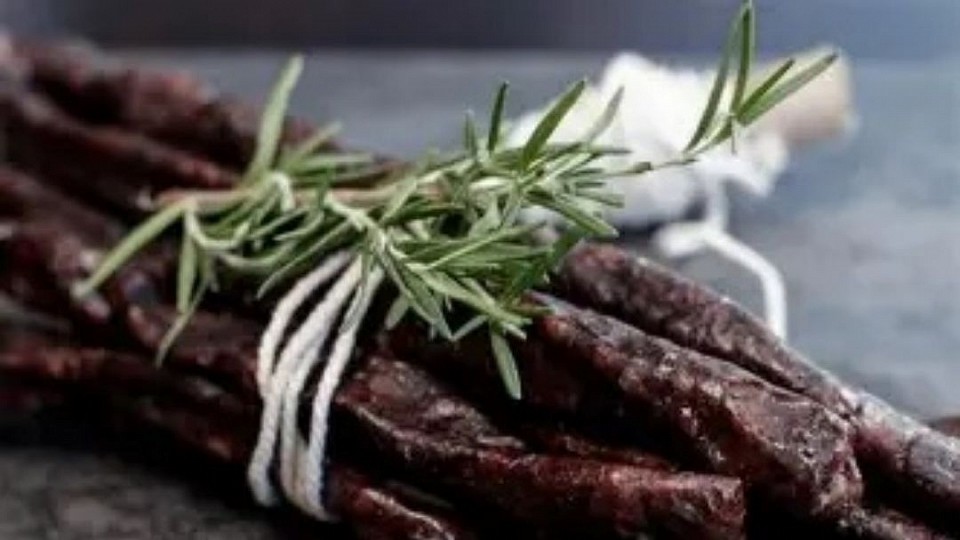
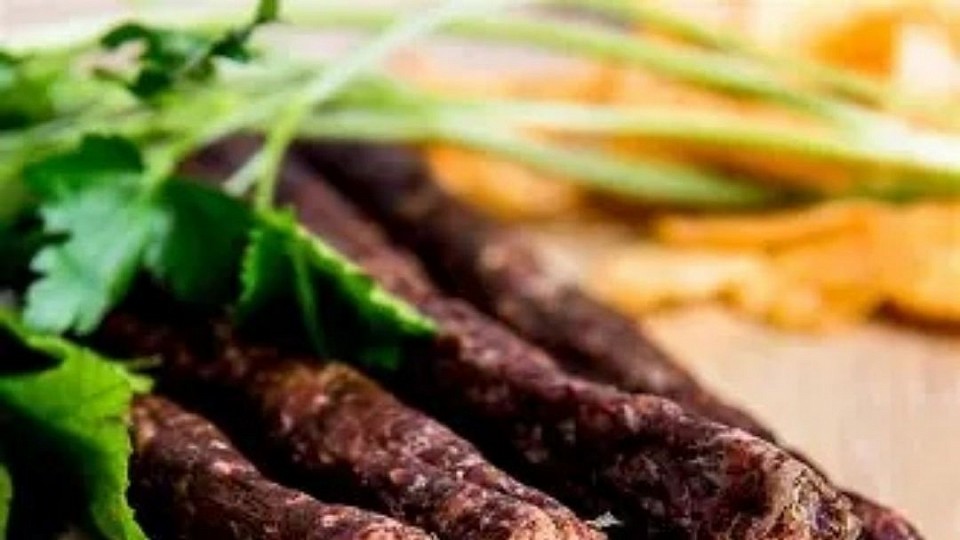
Beef is the predominant meat used in droëwors, selected for its flavor, texture, and consistency. An optimal droëwors blend typically contains approximately 30% fat, which contributes to juiciness and flavor while ensuring proper drying without rancidity. In addition to beef, game meats such as kudu, springbok, and eland are favored for producing leaner droëwors with a subtly sweet, earthy taste. These variations are esteemed for their distinctive flavor profiles and lower fat content, making them popular among hunters and traditionalists.
Some producers incorporate beef with lamb or mutton fat to enhance richness and balance the drying process. Conversely, pork and veal are generally excluded due to their softer fats, which spoil rapidly during drying, thereby compromising shelf life and safety. Contemporary or artisanal droëwors may also feature ostrich or other specialty meats, offering a lean, dark, and unique flavor that appeals to adventurous consumers.
In conclusion, while beef remains the cornerstone of droëwors, South Africans appreciate a broad spectrum of meat options—from venison to ostrich—each contributing distinct flavors, fat levels, and textures. This variety not only reflects regional preferences but also underscores the versatility of droëwors as a snack that continues to evolve while honoring its traditional roots.
What spices and flavors are common in droëwors?
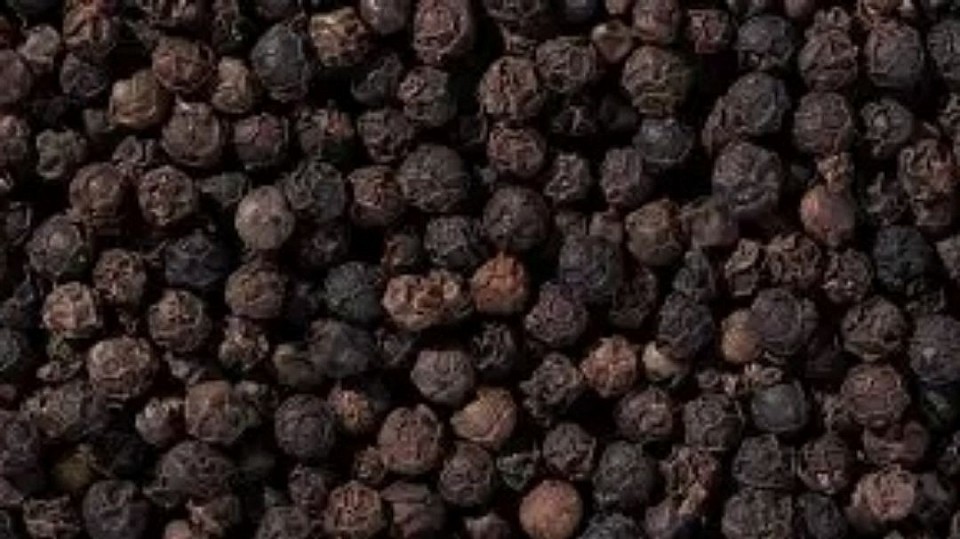
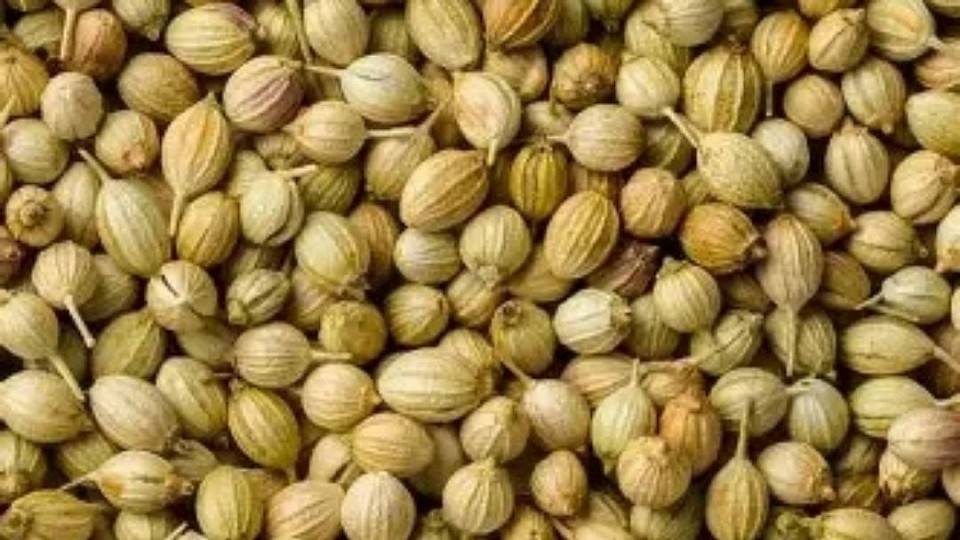
Droëwors features a distinctive flavor profile centered on several key spices that impart its unmistakable South African character. The primary spice is coriander, which is roasted and ground to release a warm, nutty aroma that defines droëwors’ signature taste. This is typically complemented by black pepper, providing subtle heat and sharpness, and salt, essential for curing and preservation. Additionally, vinegar plays a vital role by introducing acidity that balances the meat’s richness and facilitates the drying process.
Traditional recipes often incorporate nutmeg and cloves, contributing depth and a mildly sweet, aromatic undertone. Some variations may include allspice or mace to enhance complexity. Contemporary producers occasionally experiment with chili flakes, garlic powder, or herbs such as rosemary to introduce spicier or more modern flavor profiles.
The overall flavor of droëwors is savory, subtly tangy, and prominently coriander-forward, featuring a firm, snappable texture that makes it an ideal snack. While biltong typically exhibits a more pronounced vinegar tang, droëwors emphasizes a warm spice balance, establishing its unique identity within South Africa’s dried meat traditions.

How should droëwors be stored?
Droëwors must be stored properly to maintain its flavor, texture, and safety. As an air-dried sausage, it has a longer shelf life than fresh meat; however, storage conditions significantly impact its preservation.
For short-term storage, droëwors should be kept at room temperature in a cool, dry environment. The optimal method is to store it in a breathable paper bag, which facilitates air circulation and prevents moisture accumulation. Avoid using sealed plastic bags at room temperature, as they trap humidity and promote mold growth.
For medium-term storage, refrigeration is advisable. Wrap the droëwors in paper or kitchen towels before refrigerating, or utilize vacuum-sealed packaging. This approach helps maintain freshness for up to three to four weeks while controlling excess moisture.
For long-term storage, freezing is recommended. Freezing preserves droëwors for several months, although the texture may slightly alter upon thawing. Thin sausages (dunwors) freeze and thaw more effectively than thicker varieties (dikwors), which tend to retain more moisture and spoil more rapidly.
Moist droëwors spoil faster than very dry versions; therefore, if a softer texture is preferred, it is advisable to consume it sooner. In all cases, store droëwors away from direct sunlight, humid environments, and sealed containers lacking airflow.