
Charcoal vs Briquettes: What’s the Difference?
Charcoal vs Briquettes
When it comes to braaiing or barbecuing, the choice of fuel extends beyond mere practicality—it significantly impacts the flavor profile of the food, the precision of heat control, and the overall cooking duration. The type of fuel influences not only the speed of ignition but also the consistency of the burn, the amount of smoke produced, and the distinctive character it imparts to the meat.
For many South Africans, the fire is the centerpiece of the braai, making the selection of the appropriate fuel as crucial as choosing the cut of meat or seasoning. Selecting the right fuel can transform a simple braai into an exceptional culinary experience, whereas an unsuitable choice may result in uneven cooking or a diminished smoky flavor.
In South Africa, two of the most prevalent fuel options for braaiing are natural lump charcoal and compressed briquettes. Both are readily accessible and fulfill the essential role of providing heat for cooking over an open flame, yet they differ markedly in composition, performance, and the outcomes they produce.
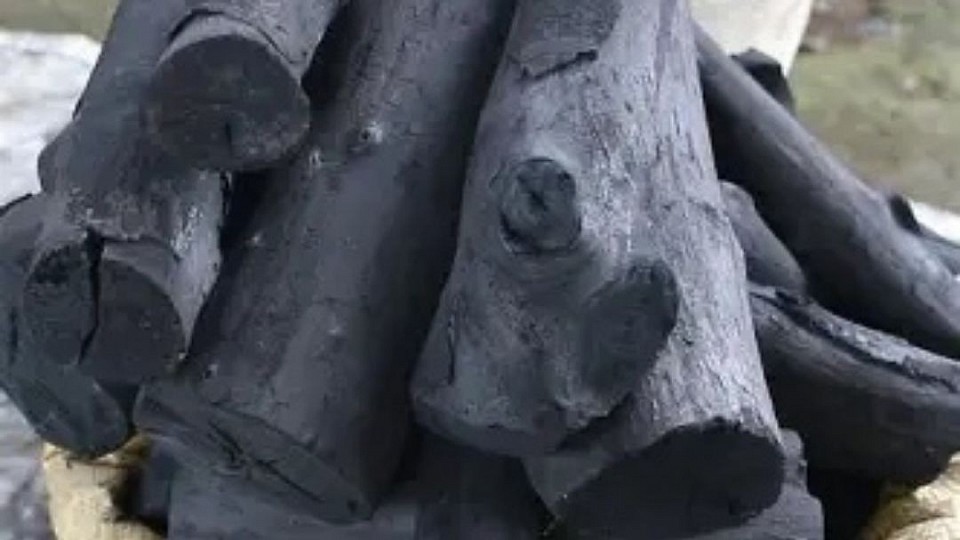
Natural lump charcoal is produced by burning hardwood in an oxygen-deprived environment until only pure carbon remains, yielding irregularly shaped pieces that burn intensely and cleanly.
Conversely, briquettes are manufactured by compressing charcoal dust along with binding agents into uniform shapes, engineered to burn longer and more consistently. These distinctions make each fuel type better suited to specific cooking methods and preferences, with many braai aficionados developing strong preferences for one over the other.
Lump Charcoal
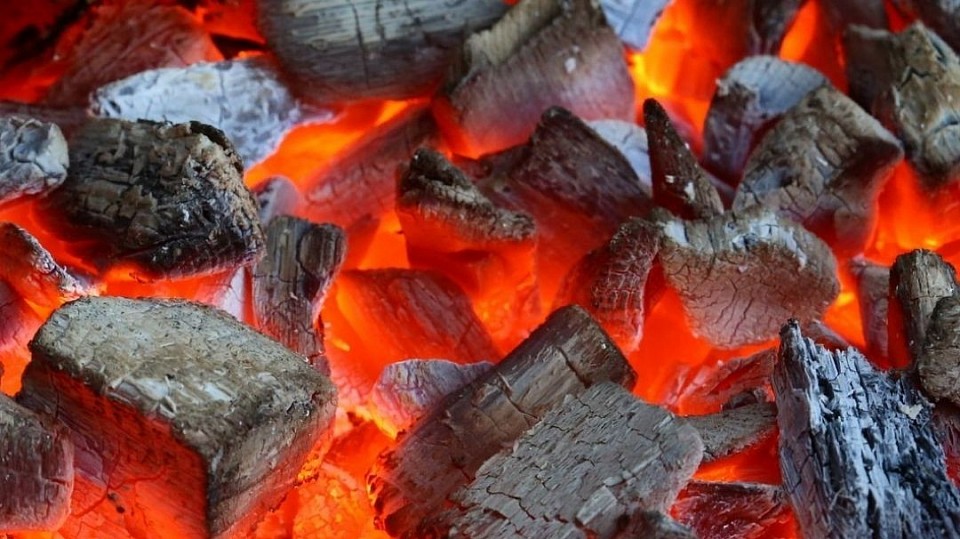
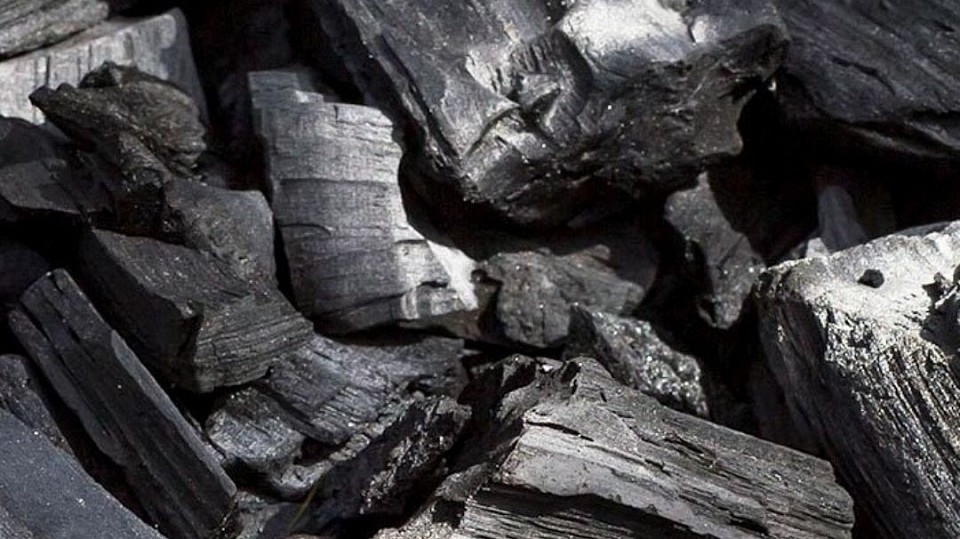
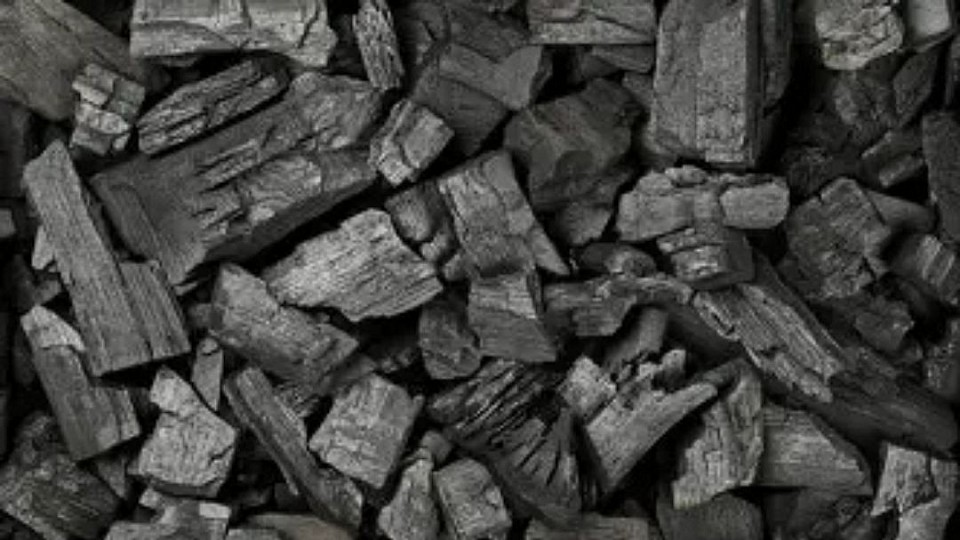
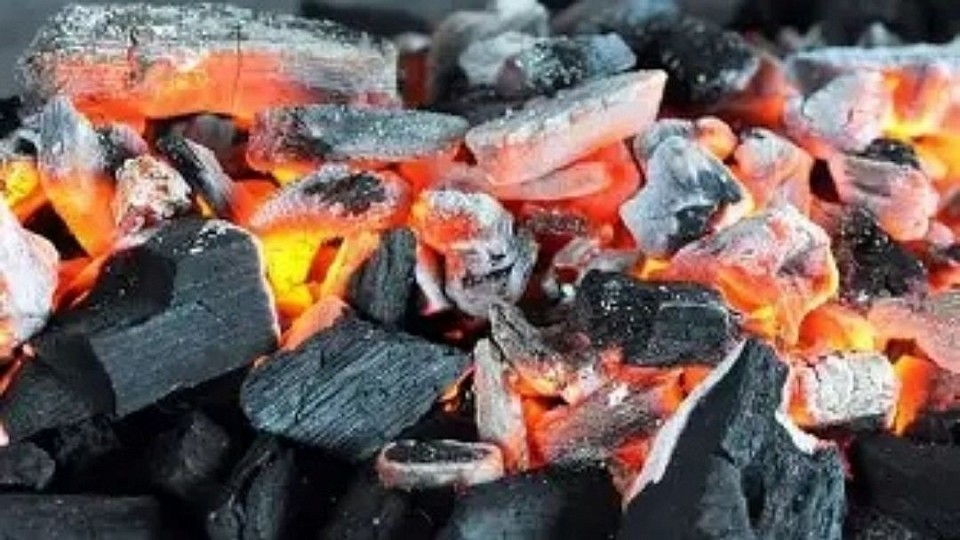
Lump charcoal is produced through a traditional process whereby hardwood is burned in an oxygen-deprived environment until only pure carbon remains. This technique removes moisture, sap, and volatile compounds, resulting in dense, irregularly shaped pieces of carbonized wood. Each piece retains the natural characteristics of the original wood, which is why lump charcoal is highly regarded by braai enthusiasts for its authenticity and superior performance. Unlike uniform, compressed briquettes that contain binding agents, lump charcoal preserves its organic form, offering a rustic appearance and a more natural combustion.
A primary advantage of lump charcoal is its capacity to burn hotter and faster than briquettes. This makes it ideal for high-heat cooking applications such as searing steaks, chops, or other cuts that benefit from intense flames and rapid caramelization. Additionally, it produces less ash, facilitating easier cleanup and maintaining a cleaner, more efficient fire throughout the braai. Another significant benefit is its responsiveness to airflow adjustments: manipulating the vents of a braai or smoker immediately affects the temperature, providing the cook with precise control over heat levels. This versatility accommodates both rapid grilling and more delicate cooking techniques, tailored to the specific requirements of the meal.
Beyond its functional attributes, lump charcoal enhances flavor. As it burns, it emits a subtle, natural smoky aroma that enriches the taste of meat without overwhelming it. This authentic wood-smoke character is highly prized by those seeking the unmistakable essence of traditional fire-cooked braai. For individuals prioritizing both performance and flavor, lump charcoal remains the preferred choice, combining intense heat with the rustic appeal of genuine wood.
Briquettes
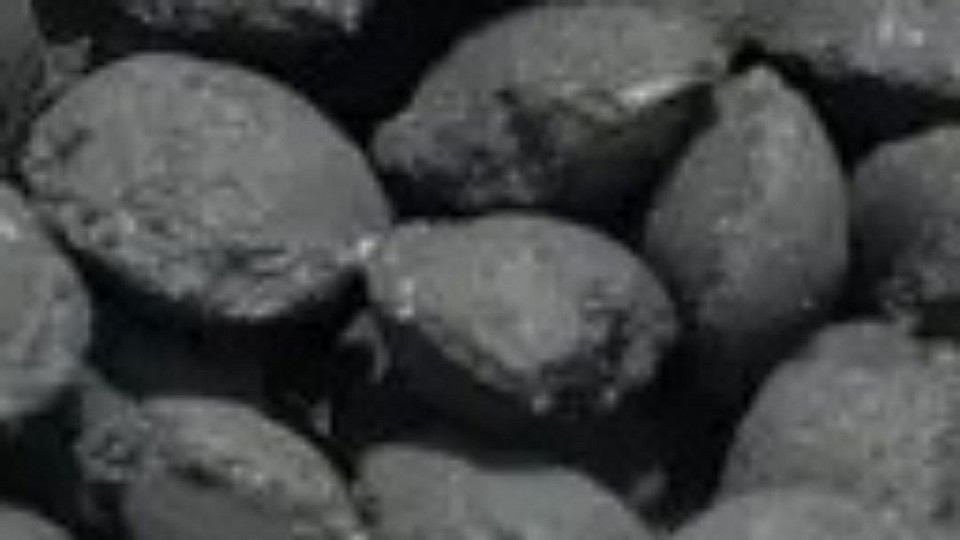
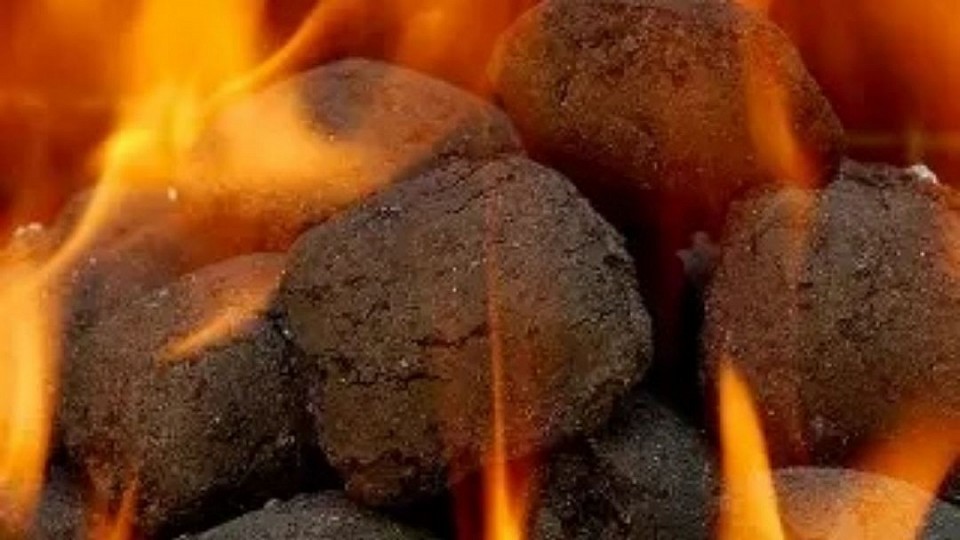
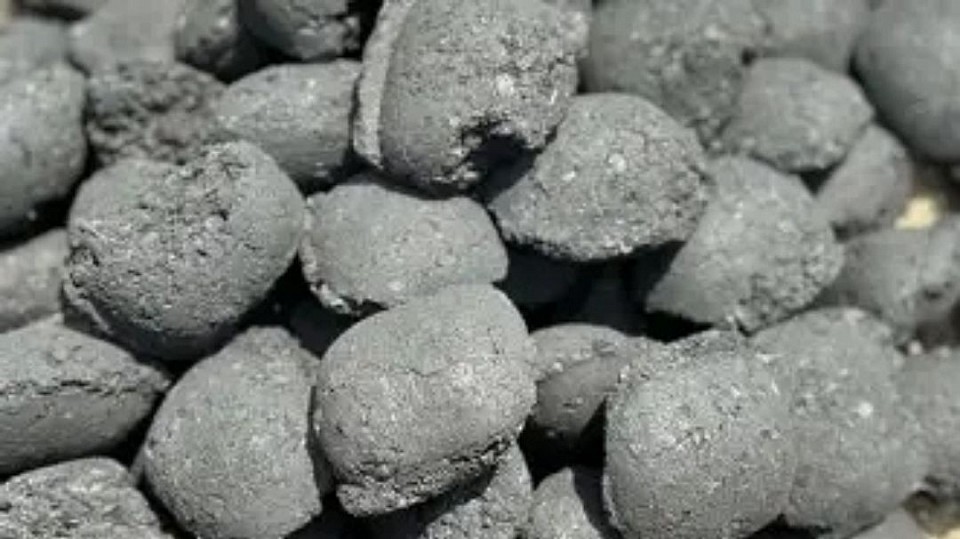
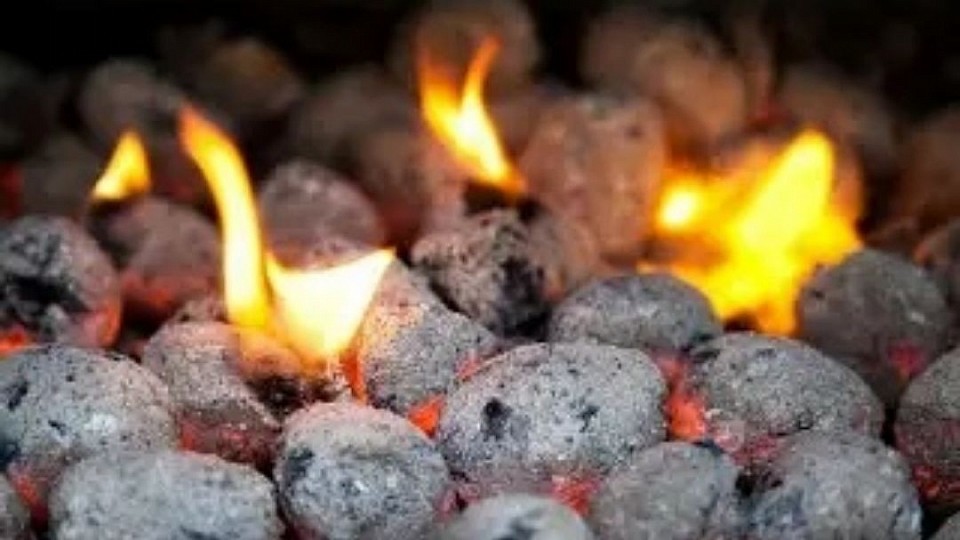
Briquettes represent a precisely engineered fuel source, produced by compressing fine charcoal dust into solid blocks using binders such as starch, along with additives that enhance ignition or regulate burn consistency. This manufacturing process yields their characteristic uniform shape—typically small, pillow-shaped pieces—that are easy to stack, measure, and arrange efficiently in a braai or barbecue. Unlike natural lump charcoal, which varies in size, shape, and density, briquettes are designed for consistency. This uniformity ensures that users can depend on them to provide a steady and reliable heat source, making them popular in both casual and professional culinary environments.
A key advantage of briquettes is their ability to burn longer and more evenly than lump charcoal. Although they require more time and patience to ignite initially, once fully lit, they deliver a stable, controlled heat that can be maintained with minimal effort. This characteristic makes them particularly suitable for prolonged cooking sessions where endurance and consistency take precedence over intense heat. While briquettes generate more ash than lump charcoal, necessitating additional cleanup after use, this is a reasonable compromise for those who prioritize a fire that sustains temperature for hours without frequent adjustments.
Regarding flavor, briquettes tend to be more neutral compared to lump charcoal. They do not impart the same natural smoky wood aroma, but this subtlety can be advantageous in certain cooking techniques. Their steady, moderate heat is ideal for low-and-slow methods such as smoking brisket, chicken, or ribs, where the objective is to gently break down connective tissue and develop tender, flavorful meat over several hours. In these contexts, the reliability of briquettes allows the cook to concentrate on technique and timing rather than constant fire management. For braai enthusiasts who prioritize control, consistency, and endurance, briquettes remain a dependable choice.
Key Differences Between Charcoal and Briquettes
The primary distinctions between lump charcoal and briquettes pertain to their performance and optimal use during a braai. Lump charcoal is renowned for its ability to burn hotter and faster, generating intense heat ideal for rapid cooking methods such as searing steaks, chops, or sausages.
Composed of pure carbonized hardwood, lump charcoal produces less ash, resulting in a cleaner fire and improved airflow control. This responsiveness enables the braaier to adjust temperatures swiftly, offering precise control over the cooking process. Additionally, lump charcoal imparts a natural smoky flavor that enhances the meat's taste, delivering an authentic wood-fired character highly valued by enthusiasts.
However, its shorter burn duration necessitates more frequent replenishment, making it better suited for shorter, high-heat braais rather than prolonged, slow-cooking sessions.
Conversely, briquettes are engineered for endurance and consistency. They burn longer and provide a steady, even heat that is easier to maintain over extended periods, making them ideal for low-and-slow cooking techniques such as smoking brisket, chicken, or ribs.
Their uniform shape and engineered composition ensure predictable performance, allowing cooks to sustain stable temperatures with minimal effort. Although briquettes produce more ash and lack the pronounced smoky flavor of lump charcoal, their reliability makes them a practical choice for extended gatherings or dishes requiring patience and precision.
In summary, lump charcoal excels in delivering bursts of high heat and rich flavor, whereas briquettes are preferred when stability, control, and long-lasting coals are paramount.