Klein Karoo Grow Kits - Blog Page
Unlocking the Vault: Which Atlantic Giant Pumpkin Seeds Have the Best Genetics?
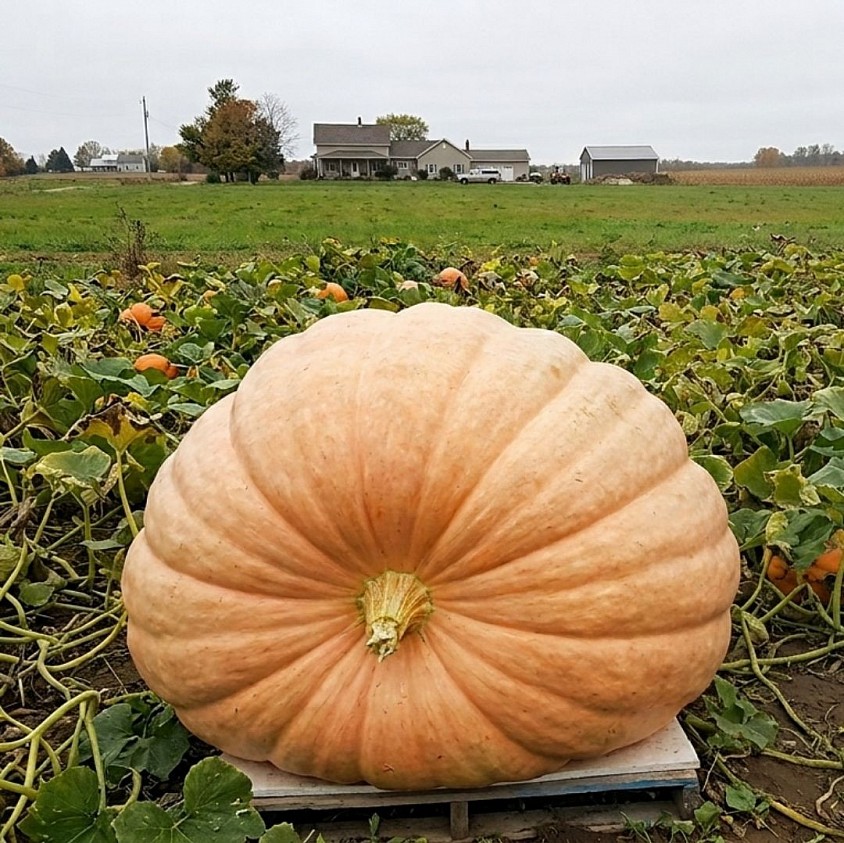
Growing massive, record-breaking giant pumpkins requires precision care, optimal soil biology, and, most importantly, top-tier genetic potential. In the competitive giant pumpkin community, serious growers understand that pedigree dictates potential. Choosing the right Dill’s Atlantic Giant seed is the single most critical decision you make before planting season begins.
Understanding how giant pumpkin genetics work and identifying which lineage offers the greatest chance of success is essential for producing world-class fruit.
🎃 The Legacy of Dill’s Atlantic Giant
Every modern giant pumpkin grown today traces its lineage back to Howard Dill of Windsor, Nova Scotia. Patented in 1979, the Atlantic Giant variety (Cucurbita maxima) changed competitive gardening forever by selectively breeding for rapid cellular expansion and extreme vine vigor. Dill set multiple world records in the early 1980s, establishing the foundation for all modern super-pumpkins.
Today, standard commercial seed packets of Atlantic Giant will reliably produce pumpkins weighing between 300 and 500 pounds under good growing conditions. However, if your goal is to grow a specimen pushing past 1,000 pounds or competing at sanctioned weigh-offs, commercial off-the-shelf seeds are not enough. You need elite, pedigree-tracked lineage bred by top competitive growers.
🎃 What Makes "Elite" Giant Pumpkin Genetics?
In competitive pumpkin growing, seeds are tracked using a strict pedigree system similar to thoroughbred horse racing. Each seed is identified by the fruit's final weight, the grower's last name, the year it was harvested, and its male and female parentage. For example, a seed named "2749 Gienger 2023" indicates a 2,749-pound pumpkin grown by Travis Gienger in 2023.
The best genetic lines display specific performance traits beyond raw weight. Top growers select parent plants based on wall thickness, blossom-end durability, resistance to vine split, aggressive root vigor, and fruit density. The strongest seed genetics consistently produce heavy-weighing offspring across various climates and growing conditions rather than just one fluke fruit.
🎃 The World Record Pedigrees
Seeds sourced directly from official world record holders represent the absolute peak of modern giant pumpkin genetics. Iconic seeds such as the 2749 Gienger (2023 world record) and the proven genetic lines from champions like Ron Wallace, Ian Paton, and Mathias Willemijns carry unmatched performance history. These seeds are prized because their genetic code lacks standard growth-inhibiting enzymes, allowing continuous rapid expansion.
🎃 Heavy-Weighing Crosses ("Heavy Out of the Gate")
Some genetic lines are famous for producing pumpkins that weigh significantly heavier than their visual measurements predict. Experienced growers look for cross-pollinations involving thick-walled strains like the 2009 Wallace, 1725 Harp, or recent 2000+ lb giants. Seeds from these parent pairings consistently pass down thick orange walls and high solid-to-water ratios.
🎃 Proven Mother Plants
A seed's female parent (the plant that actually grew the pumpkin) supplies the main structural traits, while the male parent provides complementary characteristics through controlled hand-pollination. The most sought-after seeds come from self-pollinated champion plants or controlled crosses between two distinct 2,000 lb+ proven lines.
🎃 Commercial Seeds vs. Proven Pedigree Seeds
If you buy a standard packet of Atlantic Giant seeds from a retail rack, you are purchasing open-pollinated seeds with unverified male parentage. These seeds carry great general vigor, making them ideal for garden displays, local patch growing, or learning basic cultivation techniques.
For true competition potential, pedigree seeds obtained directly from giant pumpkin clubs, weigh-off auctions, or dedicated seed distributors are essential. These seeds come with detailed genetic charts showing both mother and father lines, giving you complete clarity on the hereditary potential of your vine.
🎃 How to Choose the Best Seed for Your Patch
Selecting the single best seed depends on your growing environment and experience level.
First, examine regional climate tolerance. Some genetic lines perform exceptionally well in cooler northern climates, while others tolerate hot, humid summers without premature vine collapse.
Second, look for genetic consistency over single-year wonders. A seed lineage that has produced multiple 1,500+ pound pumpkins across different growers' patches often provides more reliable results than a seed from a single huge pumpkin with no proven offspring.
Finally, ensure you acquire seeds stored in cool, dry conditions with clear documentation of their provenance. When elite Atlantic Giant genetics are paired with proper soil preparation, full sunlight, and diligent care, the ceiling for potential weight is practically unlimited.
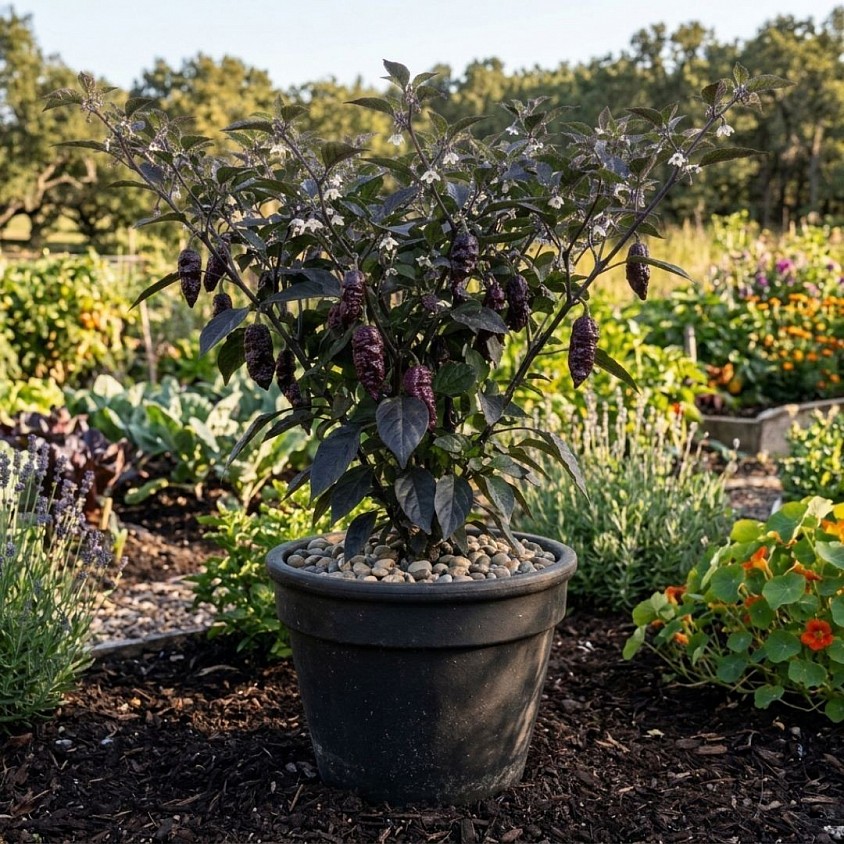
Understanding Scoville Heat Units (SHU): The Science Behind Chili Pepper Pungency
When exploring the fiery world of chili peppers, you will frequently encounter the term Scoville Heat Units, commonly abbreviated as SHU. This metric serves as the universal standard for measuring the pungency, or heat level, of chili peppers and products infused with capsaicin. Whether you are a culinary enthusiast experimenting with mild flavors or a thrill-seeker chasing the intense burn of super-hot varieties, understanding how SHU works provides valuable insight into what makes certain foods spicy.
🌶️ What Are Scoville Heat Units and Capsaicin?
At the core of every measurement on the Scoville scale is capsaicin, the primary chemical compound responsible for the burning sensation you experience when consuming spicy foods. Capsaicinoids interact directly with the pain receptors located on your tongue and mucous membranes, specifically the TRPV1 receptors, which trick your brain into perceiving a sensation of physical heat. Scoville Heat Units quantify the exact concentration of these active chemical compounds within a given pepper. The higher the SHU rating, the greater the concentration of capsaicin and the more intense the resulting burn.
🌶️ The History and Origin of the Scoville Scale
The measurement system was established in 1912 by an American pharmacist and chemist named Wilbur Scoville. Before his innovation, no standardized method existed to quantify or compare the spiciness of different chili peppers. Scoville developed a subjective sensory evaluation known as the Scoville Organoleptic Test. In this original process, an exact weight of dried pepper extract was dissolved in alcohol and subsequently diluted in sugar water. A trained panel of human taste-testers would then sample the progressively diluted solutions until they could no longer detect any lingering warmth. The dilution factor required to neutralize the heat determined the pepper's score in Scoville Heat Units. For instance, if an extract required 1,000 dilutions before the heat vanished, it was rated at 1,000 SHU.
🌶️ Modern Laboratory Testing: High-Performance Liquid Chromatography
While Wilbur Scoville’s organoleptic test laid the vital foundation for spice grading, human taste panels presented inherent flaws. Human subjective perception varies wildly from person to person, and taste fatigue sets in quickly when testers evaluate extremely hot peppers. In contemporary food science, laboratories have largely replaced human taste tests with High-Performance Liquid Chromatography (HPLC). This precise chemical analysis machine separates, identifies, and quantifies the exact amounts of capsaicinoids present in a pepper sample. The resulting data is measured in parts per million (ppm) and converted mathematically into Scoville Heat Units to honor Wilbur Scoville's original historical scale.
🌶️ Breaking Down the Heat Tiers on the Scale
The Scoville scale spans an immense numerical range, starting at zero and stretching all the way up to sixteen million units. To make these numbers practical, the scale is typically broken down into distinct heat tiers. At the absolute bottom of the scale sit sweet bell peppers, registering a flat 0 SHU because they contain zero capsaicin. Mild peppers like the familiar Jalapeño occupy the 2,500 to 8,000 SHU range, delivering a polite, accessible kick. Moving upward, medium-to-hot varieties like Cayenne and Habanero peppers span anywhere from 30,000 to 350,000 SHU, offering substantial warmth and complex fruit flavors. Finally, modern super-hot cultivars such as the Carolina Reaper exceed 2,000,000 SHU, representing extreme expert-level territory where capsaicin concentration is maximized.
🌶️ Why SHU Only Tells Half the Story
While Scoville Heat Units provide a reliable mathematical benchmark for capsaicin content, they do not paint a complete picture of a pepper's culinary profile. The SHU rating measures chemical concentration, completely ignoring aroma, secondary flavor notes, natural sugars, acidity, and the unique characteristics of the burn profile. Two peppers might share an identical SHU rating, yet one might deliver an instant sharp hit at the front of the mouth while the other creates a slow, creeping warmth in the back of the throat. Nonetheless, understanding Scoville Heat Units remains an essential tool for chefs, gardeners, and food lovers seeking to navigate the diverse and fiery spectrum of chili peppers.