
Complete Kiwi Fruit (Actinidia deliciosa) Grow Kit
There’s something magical about growing your own kiwi fruit from seed and watching each stage of the journey unfold. From the first tiny sprout to a thriving vine, growing kiwi fruit is a rewarding experience that brings nature closer to home and creates lasting memories for the whole family.
Our Complete Kiwi Fruit Grow Kit is designed to make the growing process simple, enjoyable, and successful for gardeners of all experience levels. Whether you're planting your very first seeds or expanding your home garden, this all-in-one kit provides everything you need to begin your kiwi-growing adventure with confidence.
Kiwi plants are known for their vigorous growth, attractive foliage, and delicious fruit. As your plants develop, you'll experience the excitement of nurturing them from seed to vine while learning valuable gardening skills along the way. It's a fun and educational project for adults, children, and anyone who enjoys growing something unique.
Order your Complete Kiwi Fruit Grow Kit today and start your journey towards growing your own kiwi fruit at home. With carefully selected seeds and essential growing supplies included, it's the perfect gift for gardeners, nature lovers, and aspiring growers alike.

What’s Included in Your Complete Kiwi Fruit Grow Kit
✅ 20 x Premium Actinidia deliciosa Seeds:
High-viability, hand-selected seed batch carefully proportioned to guarantee a healthy balance of male and female vines for successful cross-pollination.
✅ 1 x Seed Cold Stratification Pouch & Stratification Medium:
Purpose-built dormancy pouch and tailored substrate that make breaking seed dormancy effortless, unlocking maximum germination potential right from home.
✅ 1 x Professional Germination Mix (500g):
A sterile, pH-balanced (5.5–6.5) soil formulation crafted specifically for delicate kiwi root development and optimal moisture retention.
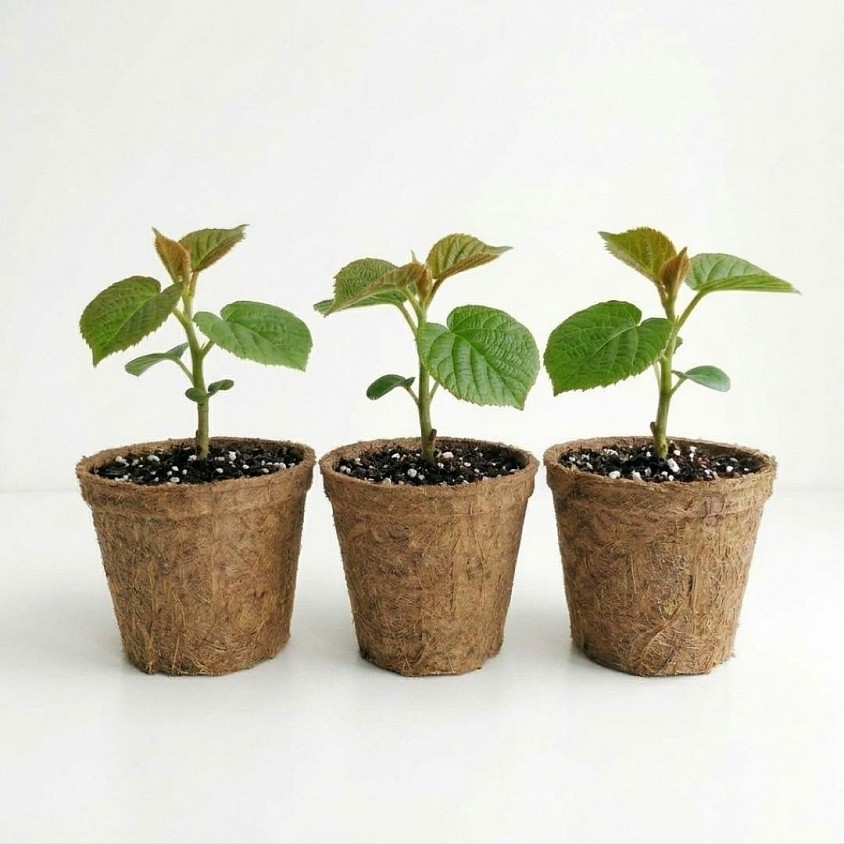
✅ 5 x Eco-Friendly Biodegradable Peat Pots:
Plant directly into the ground or larger pots without disturbing tender root systems, eliminating transplant shock entirely.
✅ 5 x High-Clarity Humidity Domes:
Mini greenhouse covers engineered to lock in ambient humidity and warmth for faster, uniform seed sprouting.
✅ 1 x Precision Fine-Mist Spray Bottle:
Delivers gentle, even hydration to protect surface-sown seeds from wash-out and soil compaction.
✅ 1 x Early-Stage High-Phosphorus Feed Sachet (150g):
Targeted starter nutrient formula engineered to fuel rapid root expansion and build sturdy, resilient main trunks.
✅ 1 x Mid-Stage High-Potassium Feed Sachet (150g):
Specialized vine nutrient blend formulated to strengthen vascular health, boost stress tolerance, and prepare vines for future fruit set.
✅ 1 x Packet of Flexible Soft-Grip Plant Ties:
Weather-resistant, vine-safe ties designed to train and anchor climbing shoots smoothly onto trellis supports without pinching growth.
✅ 5 x Weatherproof Plant Markers: Durable, UV-resistant tags to easily track individual seedlings, growth rates, and plant identification.
✅ 1 x Comprehensive Kiwi Cultivation Manual:
Step-by-step master guide packed with expert horticultural protocols for cold stratification, sex identification, soil care, and seasonal pruning for maximum yield.
South African Sowing Calendar for Actinidia deliciosa & Actinidia chinensis
🟠 Sowing: August to October (Late Winter to Early Spring). Seeds are surface-sown indoors or in protected seed trays under warm, humid conditions (20°C to 25°C) after undergoing mandatory cold stratification.
🟠 Germination: 2 to 6 weeks (14 to 42 days), contingent on pre-sowing cold chilling (2°C to 5°C for 4 to 8 weeks) to break embryo dormancy, combined with bright indirect surface light.
🟠 Transplanting: November to December (Late Spring to Early Summer), once seedlings reach 10–15 cm in height with 4–6 true leaves and post-frost night-time ambient temperatures stabilize above 15°C.
🟠 Flowering (mature plants): October to November (Spring). Vines bloom on current season's shoots emerging from one-year-old canes; requires compatible male and female cultivars flowering concurrently for successful insect pollination.
🟠 Harvesting: March to May (Autumn). Fruit must reach optimal soluble solids (Brix levels of 6.2% or higher) on the vine before harvest, ripening fully off the vine under cool storage conditions.
🟠 Best suited to: Cool-climate and high-chilling regions of South Africa, including parts of the Western Cape (e.g., Elgin, Ceres, Grabouw), Eastern Cape Highlands, and KwaZulu-Natal Midlands.
Why Growers Choose This Complete Kiwi Fruit Kit
☑️ Complete Germination Setup:
Our kit includes specialized cold stratification tools, custom germination soil, biodegradable pots, and humidity domes to guarantee maximum seed sprouting success.
☑️ Phase-Specific Plant Nutrition:
We supply targeted high-phosphorus and high-potassium plant feeds to support early root expansion and long-term vine development.
☑️ Total Support from Seed to Trellis:
Essential plant markers, specialized ties, and a precision spray bottle are included to help you track, water, and train your growing vines.
☑️ Step-by-Step Cultivation Guidance:
Each kit comes with a detailed manual covering cold stratification, soil requirements, sex identification, and pruning tailored for long-term harvests.


Do I need both a male and female kiwi plant to get fruit?
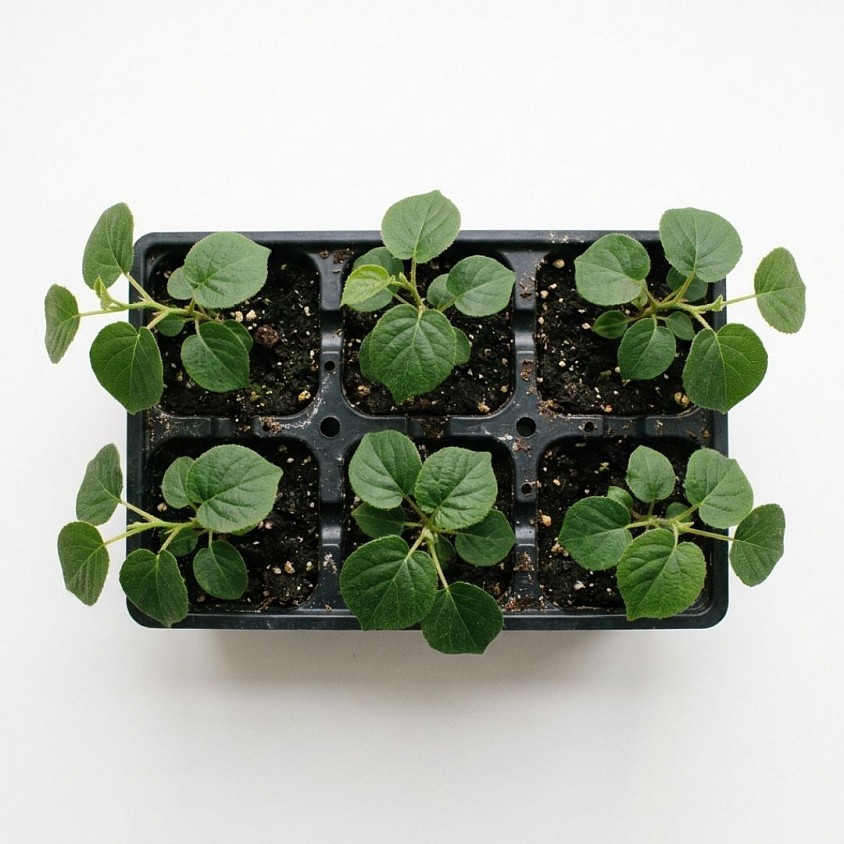
Both Actinidia deliciosa and Actinidia chinensis are dioecious species, meaning individual vines produce exclusively male or female flowers. Because female plants lack functional pollen and male plants do not set fruit, both male and female plants are strictly required in the same orchard or garden location for cross-pollination and successful fruit production. A single male vine can produce sufficient pollen to fertilize multiple female vines, with commercial recommendations typically specifying a planting ratio of one male vine for every six to eight female vines, placed in close proximity. To ensure complete growing success, our Complete Kiwi Fruit Grow Kit contains both male and female seeds, and our seedling trays are supplied containing both male and female plants.
For effective pollination, the blooming periods of the selected male and female cultivars must align precisely. Male vines must flower at the same time as the female vines to allow wind and insect pollinators, primarily honeybees, to transfer pollen onto the female stigmas. While certain self-fertile or monoecious kiwifruit varieties exist, they generally produce smaller yields and smaller fruit without cross-pollination from a dedicated male vine. Plantings must therefore incorporate both sexes to ensure proper seed count, maximum fruit size, and high-yielding harvests.

How do I grow kiwi fruit from seeds vs. buying seedlings?
Growing kiwi fruit (Actinidia deliciosa and Actinidia chinensis) at home offers two distinct pathways: starting directly from packaged seeds or transplanting pre-established seedlings into the garden. Understanding the key differences in timeline, plant sex ratio, and early vine establishment helps home growers choose the best method for their setup.
🥝 Growing Kiwi Fruit from Packaged Seeds:
Starting kiwi plants from packaged seeds requires patience and attention to early germination conditions. High-quality packaged seeds must undergo a cold stratification process—placing them in a damp medium inside the refrigerator for 4 to 6 weeks—to simulate winter and break natural seed dormancy. Once stratified, the seeds are sown lightly on top of a sterile seed-starting mix, requiring light, warm ambient temperatures (20°C–24°C), and consistent humidity to germinate, which typically takes 14 to 21 days. Because kiwi plants exhibit natural genetic variability when raised from seed, seedlings require 5 to 7 years to reach maturity and produce their first flowers. Home growers will determine the sex of each vine once flowering begins, requiring a larger initial batch of seed-grown plants to ensure a functional ratio of male to female vines for successful pollination.
🥝 Growing Kiwi Fruit from Seedlings:
Starting directly with pre-established kiwi seedlings streamlines the growing process by bypassing the delicate germination and stratification phases entirely. Seedling plants arrive with established root systems and true leaves, allowing them to adapt quickly when potted up or transplanted into permanent outdoor trellis systems. Transplanted seedlings establish main scaffold trunks much faster than raw seeds, shortening the time to first flowering and harvest to approximately 3 to 4 years. Utilizing seedling trays supplied with a balanced mix of male and female plants ensures proper cross-pollination, giving home growers a reliable, head-start foundation for long-term vine productivity.

Can kiwi fruit grow in South Africa, and in which regions does it thrive best?
Cultivation of both Actinidia deliciosa (fuzzy green kiwifruit) and Actinidia chinensis (smooth golden/yellow kiwifruit) can be successfully established in South Africa. Both species are dioecious, deciduous vines that require a precise combination of winter chilling accumulation, frost-free spring conditions, high summer heat, and consistent irrigation to support uniform bud break, flowering, and fruit development. Actinidia deliciosa cultivars generally demand higher winter chill accumulations (typically 700 to 1000 chill hours below 7°C) to break natural vine dormancy, whereas Actinidia chinensis cultivars typically feature lower chilling requirements (ranging between 400 and 700 chill hours), enabling them to adapt to slightly warmer, lower-altitude microclimates.
In South Africa, production regions for these two species are selected based on their microclimatic profiles and winter chill accumulation. Actinidia deliciosa thrives best in cooler, high-altitude regions such as the Magoebaskloof and Haenertsburg areas of Limpopo, the KwaZulu-Natal Midlands, and parts of the Mpumalanga Highveld, where cold winters satisfy its higher chilling threshold. Actinidia chinensis flourishes across these same regions as well as in select temperate microclimates within the Western Cape and Eastern Cape. Optimal production sites for both Actinidia chinensis and Actinidia deliciosa feature deep, well-draining loamy soils with a pH between 5.5 and 6.5, protection from damaging late-spring frosts that destroy tender flower buds, and artificial windbreaks to safeguard vigorous spring shoots from wind breakage.
How long does a kiwi plant take to bear fruit in South Africa?
When cultivated under suitable climatic conditions in South Africa, the time required for a kiwi vine (Actinidia deliciosa and Actinidia chinensis) to bear fruit depends on whether you start your plants directly from seed or transplant established seedlings.
When starting with young kiwi seedlings, plants generally begin producing their first harvest within 3 to 4 years after being transplanted into your garden trellis or pergola system. During the first two seasons, the vines focus their energy on building strong root structures and establishing main scaffold vines before bearing fruit on mature wood.
If you are growing kiwi plants directly from seed, they require a longer juvenile phase, typically taking 5 to 7 years before flowering and setting fruit for the first time. Because kiwi seeds exhibit natural genetic variability, home growers will determine the sex of each vine once the plant first flowers, ensuring both male and female vines are present for successful pollination and home harvests.
How much water and sun do kiwi vines need in South African summers?
Cultivating both Actinidia deliciosa (fuzzy green kiwifruit) and Actinidia chinensis (smooth golden kiwifruit) during South African summers requires careful management of sunlight and irrigation to support vigorous vegetative growth and fruit set.
🥝 Sunlight Requirements & Heat Management:
Kiwifruit vines require full sunlight—ideally 6 to 8 hours of direct light daily—to drive photosynthesis, promote flowering, and optimize fruit sugars. However, in regions where South African summer temperatures exceed 30°C to 35°C, intense solar radiation and low atmospheric humidity can cause severe leaf scorch and fruit sunburn. To mitigate heat stress while maintaining high light intake, growers often utilize shade netting (typically 20% to 30% shade density) overhead. This reduces canopy temperature and leaf transpiration without starving the vine of necessary sunlight.
🥝 Irrigation & Moisture Management:
Kiwifruit vines feature a high leaf area index and a relatively shallow, fleshy root system, making them exceptionally sensitive to water stress and drought. During the peak summer growing season, mature kiwi vines require consistent, deep irrigation, often consuming 25 to 40 liters of water per plant daily (or 35 to 50 mm of water equivalent per week, depending on canopy size and soil evaporative demand). Soil must be kept uniformly moist but never waterlogged, as poor drainage rapidly induces phytophthora root rot. Maintaining a heavy organic mulch layer around the root zone helps conserve soil moisture, cool root temperatures, and stabilize topsoil hydrology through dry summer stretches.
What is the best soil pH and soil type for kiwi plants?
Cultivating both Actinidia deliciosa and Actinidia chinensis requires precise soil preparation to establish a healthy, long-lived vine system. Kiwifruit vines possess a relatively shallow, fleshy, and highly fibrous root structure that is exceptionally sensitive to soil texture, aeration, and chemical composition.
🥝 Optimal Soil pH:
Kiwifruit plants thrive best in slightly acidic to neutral soils with an optimal pH range between 5.5 and 6.5 (measured in water). Maintaining this pH level ensures maximum bioavailability of essential macro- and micronutrients, particularly nitrogen, phosphorus, iron, zinc, and manganese. If the soil pH drops below 5.0, vines are susceptible to manganese and aluminum toxicity; conversely, in alkaline soils with a pH above 7.0, iron deficiency (chlorosis) frequently develops, leading to yellowing foliage and stunted vine growth.
🥝 Ideal Soil Type & Structure:
The ideal soil type for kiwi vines is a deep, well-draining sandy loam or silt loam rich in organic matter (3% to 5% humus content). Excellent soil drainage and aeration are non-negotiable requirements. Because the roots of Actinidia species demand continuous oxygen exchange, planting in heavy clay soils or poorly drained areas causes waterlogging, which rapidly induces hypoxic root death and fungal pathogens such as Phytophthora root rot. For optimal root penetration, the topsoil profile should provide at least 1 meter of uncompacted depth. In heavier or marginally draining soils, growers routinely construct raised beds or mounds to enhance oxygen circulation and drainage away from the crown root zone.
How and when do you prune kiwi fruit vines in South Africa?
Pruning Actinidia deliciosa and Actinidia chinensis vines is essential to manage canopy vigor, regulate sunlight exposure, and maintain consistent annual fruit yields. Because kiwifruit vines produce fruit exclusively on current-season shoots originating from one-year-old wood, pruning schedules are divided into two distinct seasonal practices in South Africa: winter pruning and summer canopy management.
🥝 Winter Pruning (Dormant Pruning):
Winter pruning is performed during full vine dormancy, typically between July and early August across South Africa, before sap flow begins and buds break in spring. The primary objective of dormant winter pruning is to establish a permanent frame and select fruiting canes for the upcoming season. Growers remove worn-out wood that fruited during the previous season, leaving healthy, well-matured one-year-old replacement canes spaced roughly 25 to 30 cm apart along the main cordon. These selected canes are headed back to 10–15 buds depending on vine vigor, ensuring balanced crop loading and preventing overcropping.
🥝 Summer Pruning (Canopy Management):
Summer pruning is executed during the active growing season, primarily from November through January. The focus of summer management is controlling vegetative growth and optimizing light penetration to the developing fruit and internal buds. Non-fruiting water shoots and suckers arising from the trunk or main cordon are cut back early. Fruiting shoots are tipped or pinched approximately 4 to 6 leaves beyond the last flower cluster to direct plant energy into fruit enlargement rather than excessive vine growth. Maintaining an open, ventilated canopy through summer pruning also improves air circulation, reducing fungal disease pressure during humid weather.
How do I protect my kiwi vines from frost and extreme heat?
Protecting Actinidia deliciosa and Actinidia chinensis vines from severe climatic fluctuations—specifically spring frosts and extreme summer heat—is vital for preserving vegetative growth, flowering buds, and overall fruit yield in South Africa.
🥝 Protecting Kiwi Vines from Late-Spring Frosts:
While fully dormant, mature kiwifruit vines can tolerate significant winter cold, but emerging buds and tender young shoots in early spring are highly sensitive to frost damage. A late spring freeze below -1°C can kill developing flowers and destroy the current season's crop potential. To safeguard vines during bud-break and flowering:
Overhead Sprinkler Systems: Micro-sprinklers are activated when ambient air temperatures drop toward 0°C. As water freezes on the shoots, it releases latent heat of fusion, protecting sensitive bud tissues from dropping below freezing point.
Frost Cloth & Crop Covers: For smaller plantings, covering vines with commercial frost fleece or row covers retains trapped ground heat and blocks frost deposition on tender foliage.
Site Selection & Air Drainage: Planting vines on gentle slopes or avoiding low-lying frost pockets ensures cold air drains away naturally from the vine canopy.
🥝 Protecting Kiwi Vines from Extreme Summer Heat:
South African summer conditions, characterized by intense ultraviolet radiation, low relative humidity, and temperatures exceeding 30°C to 35°C, can induce severe leaf scorch, fruit sunburn, and heat-stress-induced transpiration loss. To mitigate high-temperature impact:
Shade Cloth Installation: Overhead shade netting (typically 20% to 30% black or white woven cloth) filters harsh solar radiation, lowers canopy temperatures by several degrees, and significantly reduces fruit surface sunburn without hindering photosynthesis.
Evaporative Cooling & Irrigation Scheduling: Increasing irrigation volume and frequency during heatwaves maintains soil moisture equilibrium, satisfying the vine's high transpiration rate. Overhead pulsing or short bursts of micro-sprinkling during peak afternoon heat help cool the canopy environment.
Ground Cover & Mulching: Applying a deep layer of organic mulch across the root zone insulates topsoil against extreme temperature spikes, retains subsoil moisture, and protects the shallow, fleshy root system of Actinidia species from thermal shock.
