How to Make Elk Biltong in America
A South African Tradition Meets North American Wild Game
Elk biltong is where two worlds meet: the bold, earthy character of North American elk and the centuries‑old South African craft of air‑dried meat. For American hunters, homesteaders, and outdoor enthusiasts, it offers a way to preserve wild game with a method that is both practical and deeply rooted in heritage. While jerky relies on heat and dehydration, biltong is a slower, more natural process that protects flavor, tenderness, and nutritional value.
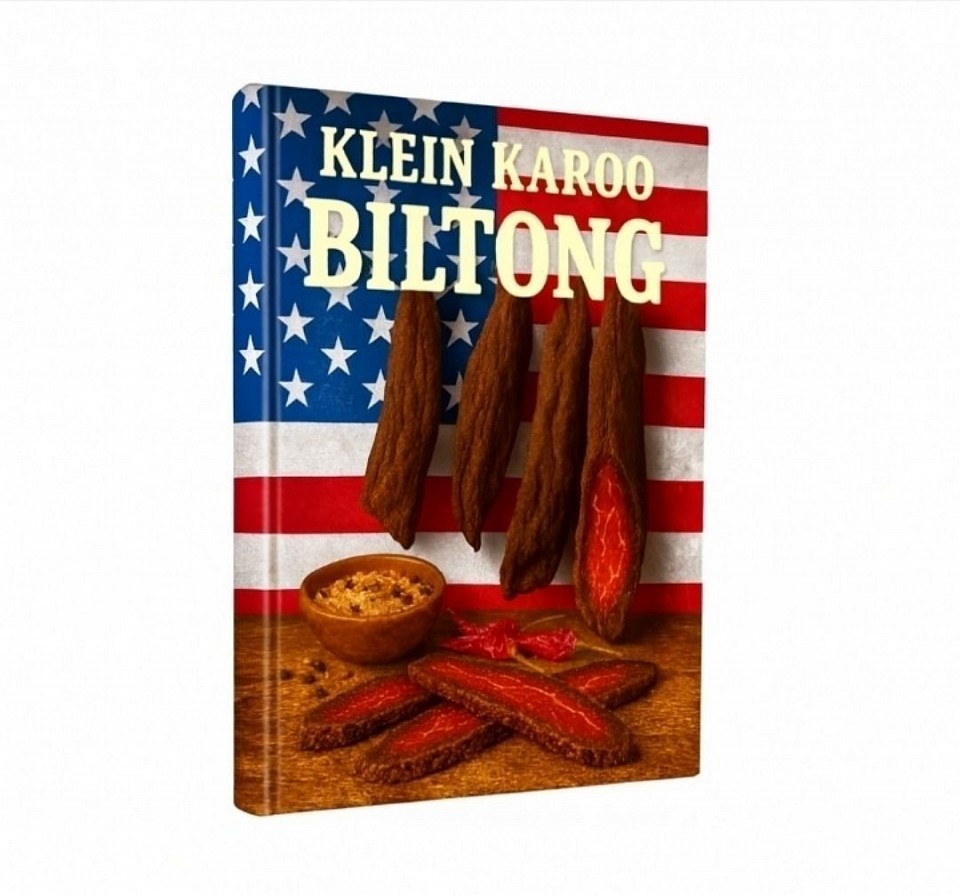
This guide gives you the essential principles for making elk biltong at home in the United States. It is not the full recipe—those precise ratios, curing times, safety steps, and troubleshooting techniques are reserved for the complete method inside Klein Karoo Biltong Book - American Edition. What you’ll find here is the foundation: the understanding you need before you begin.
American Edition
Why Elk Works Beautifully for Biltong
Elk is naturally lean, clean‑tasting, and rich in protein. These qualities make it an excellent candidate for biltong, provided it is handled correctly. Unlike beef, elk varies widely depending on age, diet, terrain, and the conditions of the hunt. This means that the preparation stage—trimming, slicing, and seasoning—matters even more.
When elk is cut into long, even strips and dried with proper airflow, it produces a biltong that is tender, aromatic, and deeply satisfying. Many American hunters find that elk biltong becomes their favorite way to enjoy their harvest because it preserves the meat in a natural, shelf‑stable form without masking its flavor.
Selecting the Best Cuts for Elk Biltong
The hindquarter muscles are ideal for biltong because they are large, uniform, and easy to slice with the grain. The top round, bottom round, and eye of round are the most reliable choices. These muscles produce long, consistent strips that dry evenly and maintain a pleasant texture.
Front‑quarter cuts can also be used, but they require more trimming and attention to grain direction. Elk shoulders often contain connective tissue that must be removed to avoid toughness. The cleaner the cut, the better the final product.
One of the biggest mistakes beginners make is slicing elk too thin or trimming away too much fat. Elk is already lean, so the goal is to preserve moisture—not remove it. The book explains the ideal thickness, trimming strategy, and how to adapt your cuts based on the specific elk you harvested.
Seasoning Elk the Traditional Way
South African biltong relies on a simple but powerful combination of salt, acidity, and spice. Elk absorbs these flavors quickly, so the seasoning stage must be controlled and deliberate. Many American readers ask whether they should adjust the spice blend for wild game. The answer is yes—but only slightly.
Elk has a deeper, more mineral‑rich flavor than beef, and it pairs beautifully with traditional South African spices when applied with the correct technique. The acidity helps tenderize the meat, the salt draws out moisture, and the spices create the signature aroma that makes biltong so distinctive.
This guide does not include the exact ratios or curing times—that information is part of the complete method in Klein Karoo Biltong Book - American Edition, where you’ll find detailed measurements, timing charts, and variations for different cuts and climates.
Drying Elk Biltong in American Conditions
Drying is the heart of biltong making. In South Africa, the climate naturally supports the process. In America, conditions vary dramatically—from the dry mountain air of Colorado to the humidity of the Southeast. This means you must control airflow, temperature, and humidity more carefully.
A proper drying environment should have:
• steady, gentle airflow
• moderate temperature
• protection from insects
• enough space between strips for air to circulate
Elk dries faster than beef because of its low fat content, but this also means it can over‑dry if not monitored. The book explains how to judge readiness by feel, how to adjust for humidity, and how to prevent common issues like case‑hardening or uneven drying.
Whether you use a homemade dryer, a garage setup, or a controlled indoor environment, the principles remain the same. The goal is not heat—it is airflow and patience.
Flavor, Texture, and the American Elk Experience
Elk biltong has a unique character that sets it apart from beef. It is slightly sweeter, more aromatic, and carries the unmistakable flavor of wild game. When dried correctly, it becomes tender, rich, and deeply satisfying. Many hunters describe it as the best way to honor the animal because it preserves the meat in a natural, respectful way.
Elk biltong is perfect for:
• hunting trips
• hiking and outdoor adventures
• high‑protein snacking
• long‑term storage
• sharing with friends and family
It is also an excellent introduction to South African food culture for Americans who want to explore traditional preservation methods.
Get the Complete Elk Biltong Method
This page gives you the essential principles—but not the full process. To make elk biltong safely, consistently, and with professional results, you need the complete method found in Klein Karoo Biltong Book - American Edition. Inside the book, you’ll find:
• exact seasoning ratios
• curing times and variations
• step‑by‑step drying instructions
• troubleshooting for American climates
• equipment guides
• safety and hygiene standards
• visual examples and detailed explanations
If you want to master elk biltong—and every other major style of South African dried meat—the book gives you everything you need.