How to Build a Traditional Biltong Dryer
Understanding the Purpose of a Biltong Dryer
A biltong dryer is more than a box with a fan. It is a controlled environment designed to guide meat through a natural transformation — from fresh beef to rich, flavourful, traditional biltong. For generations, South Africans relied on climate, airflow, and instinct to dry meat safely. Today, a well‑designed biltong dryer recreates those conditions in a predictable, reliable way.
At Klein Karoo Biltong, we teach the complete, step‑by‑step method for building a dryer in our book. This page gives you the essential principles and features to look out for before you begin. Understanding these fundamentals ensures that when you do build your dryer, you build it with confidence, accuracy, and respect for the craft.
Why a Proper Dryer Matters
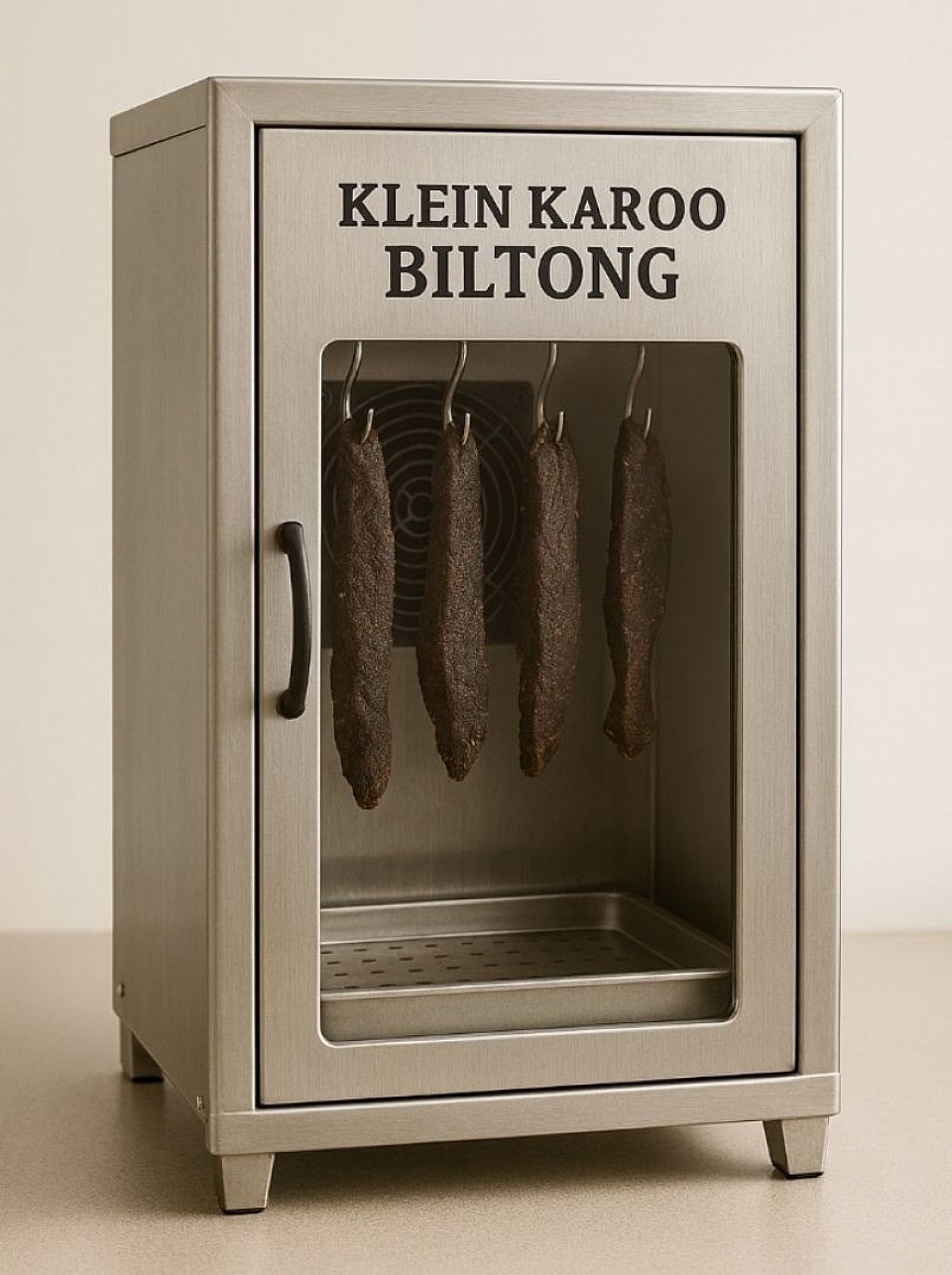
A good biltong dryer protects the meat from insects, regulates airflow, manages humidity, and ensures the meat dries evenly from the inside out. Without these conditions, the meat may dry too fast, too slow, or unevenly — all of which affect flavour, texture, and safety.
A well‑built dryer gives you:
• Consistent results
• Predictable drying times
• Protection from external contaminants
• A stable environment regardless of weather
These benefits are why so many people choose to build their own rather than rely on makeshift setups.
Key Features to Consider When Building Your Own Biltong Dryer
1. The Structure: Stability, Space, and Shape
The body of the dryer determines how air moves, how heat distributes, and how the meat hangs. A good structure should be:
• Tall enough for long strips of meat
• Wide enough to prevent pieces from touching
• Stable and sealed to keep insects out
• Smooth inside to prevent dust and moisture buildup
The shape of the dryer influences airflow patterns. A tall, upright design encourages natural upward movement of air, which supports even drying.
2. Airflow: The Heart of the Drying Process
Airflow is the single most important element of a biltong dryer. Traditional biltong was dried in well‑ventilated spaces where air moved gently but consistently. A modern dryer must recreate this.
When evaluating airflow, consider:
• Direction – Air should move across the meat, not blast directly onto it.
• Consistency – A steady, gentle flow prevents case‑hardening.
• Ventilation – Fresh air must enter, and moist air must exit.
Too much airflow dries the outside too quickly. Too little airflow slows the process and encourages moisture pockets. The balance is what makes a dryer effective.
3. Air Exchange: Fresh Air In, Moist Air Out
A biltong dryer must breathe. As the meat dries, it releases moisture into the air. If that moisture has nowhere to go, the environment becomes damp and stagnant.
Key considerations include:
• Intake vents that allow fresh air to enter
• Exhaust vents that allow humid air to escape
• Vent placement that supports natural circulation
This exchange is what keeps the drying environment stable and prevents mould growth.
4. Lighting and Heat: Understanding What You Don’t Need
Traditional biltong is never cooked, heated, or exposed to direct light. A proper dryer does not rely on heat to dry the meat. Instead, it uses airflow and controlled ventilation.
Important principles:
• No heating elements
• No direct sunlight
• No artificial warming
Heat changes the texture of the meat and can cause spoilage. A good dryer maintains a natural, ambient environment.
5. Hygiene and Cleanability
A biltong dryer must be easy to clean. Over time, spices, dust, and natural oils can settle inside the structure. A clean interior prevents contamination and ensures every batch starts fresh.
Look for:
• Smooth interior surfaces
• Removable drip trays
• Accessible corners
• Materials that don’t absorb moisture
Hygiene is one of the most overlooked aspects of dryer design, yet it is essential for consistent, safe results.
6. Hanging System: Strength, Spacing, and Simplicity
The hanging system determines how the meat is positioned during drying. Traditional biltong is hung vertically to allow airflow around every side.
A good hanging system should:
• Support the weight of multiple strips
• Keep pieces spaced apart
• Prevent hooks from slipping
• Be easy to remove and clean
Spacing is critical. If the meat touches, moisture becomes trapped and drying becomes uneven.
7. Protection From Insects and Dust
A biltong dryer must be sealed against flies, dust, and other contaminants. Even a small gap can compromise the entire batch.
Key protective features include:
• Fine mesh screens
• Tight‑fitting doors
• Sealed edges
• Properly aligned vents
Protection is not optional — it is essential.
Why Building Your Own Dryer Is Worth It
A homemade biltong dryer gives you complete control over the drying environment. It allows you to produce biltong that matches your personal preference — whether you enjoy it soft, medium, or dry. It also connects you to the heritage of the craft, giving you a deeper appreciation for the process.
But building a dryer requires knowledge, precision, and an understanding of how airflow, structure, and environment work together. That’s why we created our book.
Get the Complete Step‑By‑Step Guide in Our Book
This page gives you the essential principles. But if you want to build a dryer that performs consistently and safely, our book provides:
• Detailed construction steps
• Material recommendations
• Vent placement diagrams
• Airflow guidance
• Troubleshooting tips
• Safety considerations
• Heritage insights
It is the most complete, accurate, and practical guide to building your own biltong dryer.