The Traditional Craft of Biltong
Biltong — one of South Africa’s most iconic heritage foods — is far more than dried meat. It is a craft shaped by climate, culture, and centuries of practical knowledge. Long before modern equipment, refrigeration, or commercial spice blends, families relied on instinct, environment, and simple ingredients to preserve meat safely and naturally.
Unlike jerky or smoked meats found elsewhere in the world, biltong is air‑dried, allowing the meat to retain its natural tenderness, deep flavour, and unmistakable South African character.
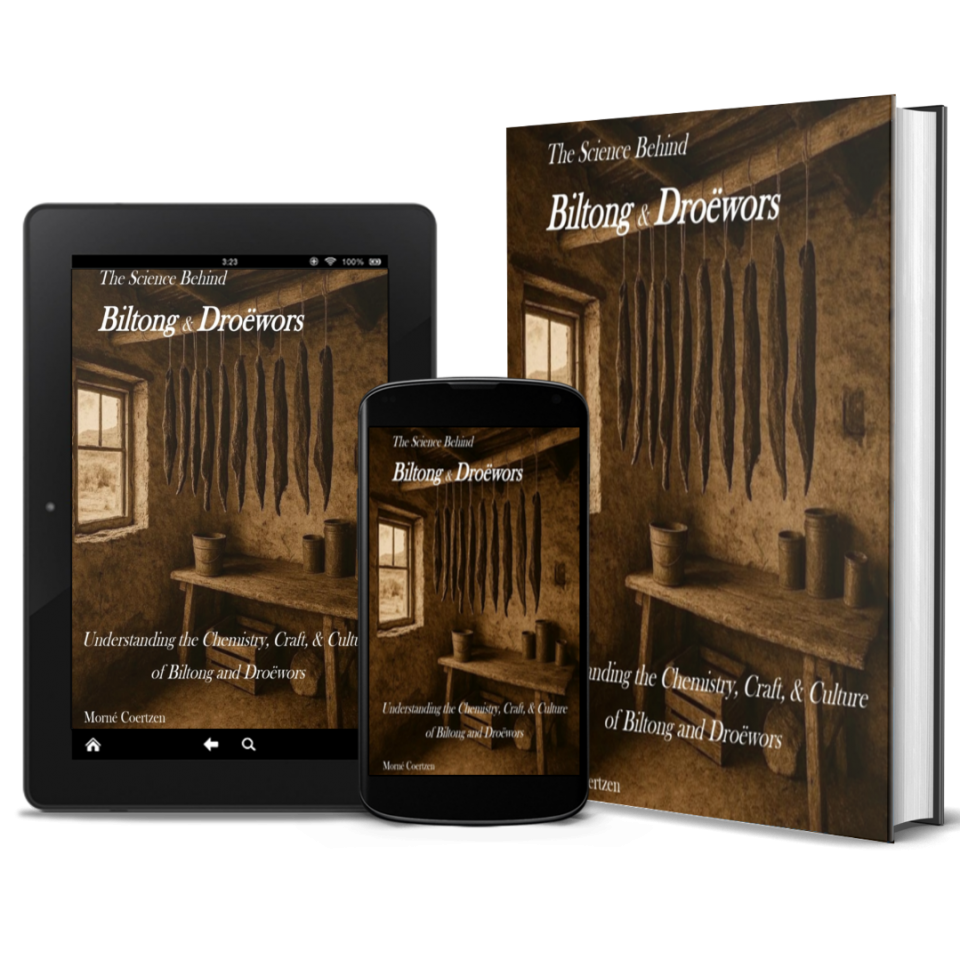
In the book The Science Behind Biltong and Droëwors, we honour this tradition by teaching the authentic method exactly as it has been passed down through generations — supported by the science that explains why it works. This page gives you a clear, accurate foundation. If you want the complete, step‑by‑step method, our book offers the most detailed and scientifically grounded guide available.
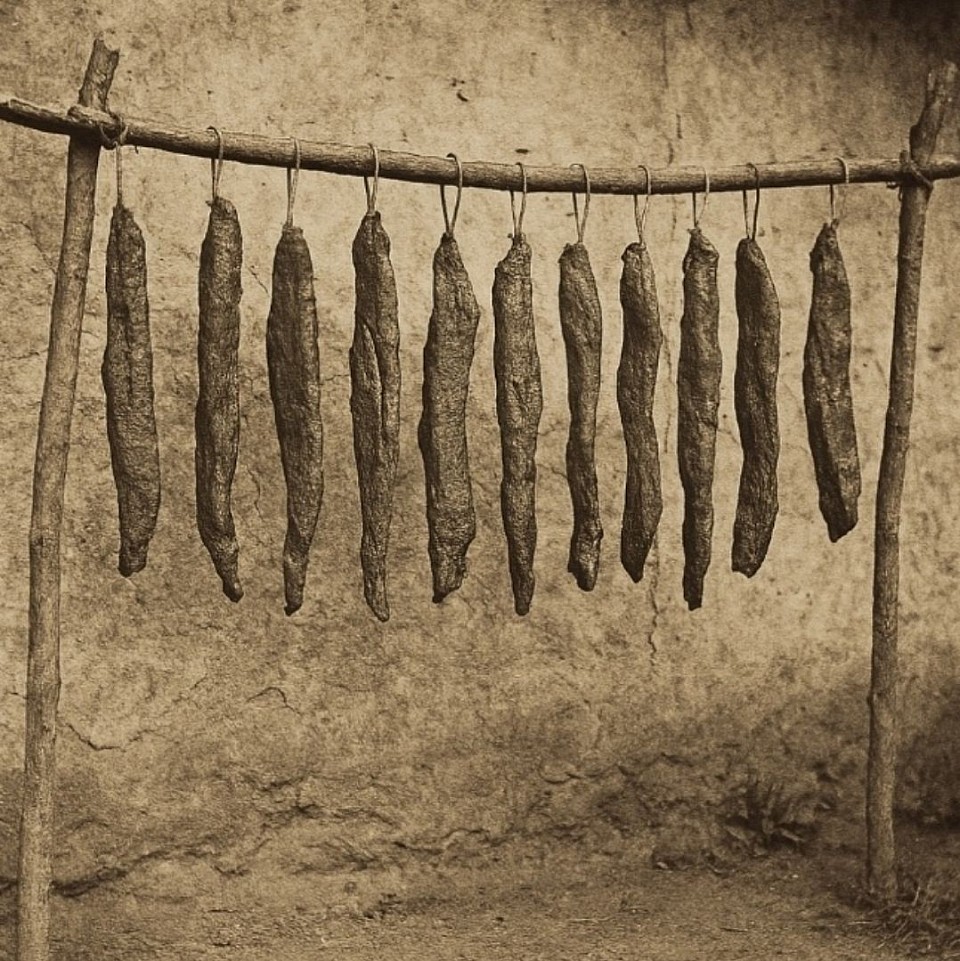
An early example of a traditional biltong drying rack
What Makes Biltong Truly Traditional?
Traditional biltong is defined by simplicity, environment, and technique. Its core characteristics include:
• Made from whole cuts of beef or game
• Seasoned with classic South African spices
• Cured with salt and vinegar
• Air‑dried slowly and naturally
• Crafted without heat, smoke, or artificial preservatives
This combination of simple ingredients and natural drying is what gives biltong its unmistakable identity.
1. Choosing the Right Cut of Meat
Authentic biltong begins with selecting the correct cut. Traditional makers choose cuts that:
• Dry evenly
• Slice cleanly
• Hold flavour
• Maintain tenderness
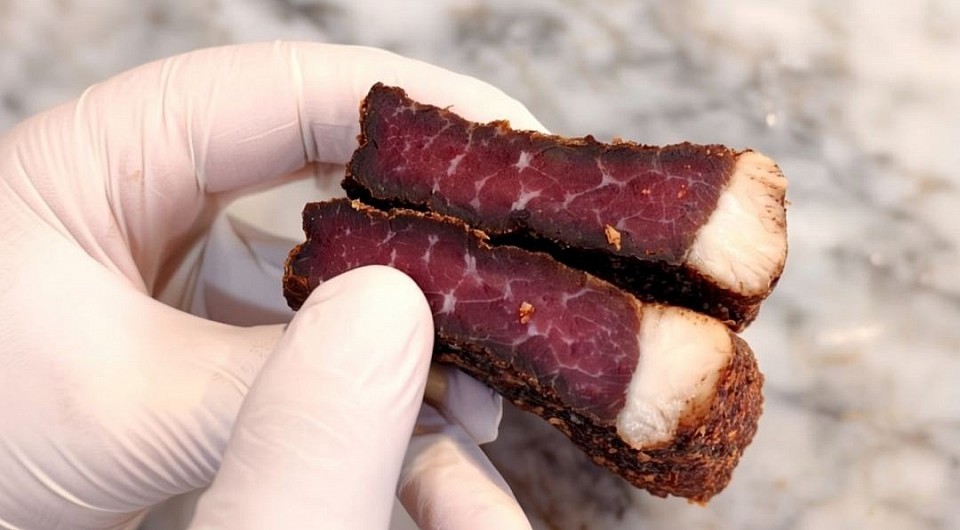
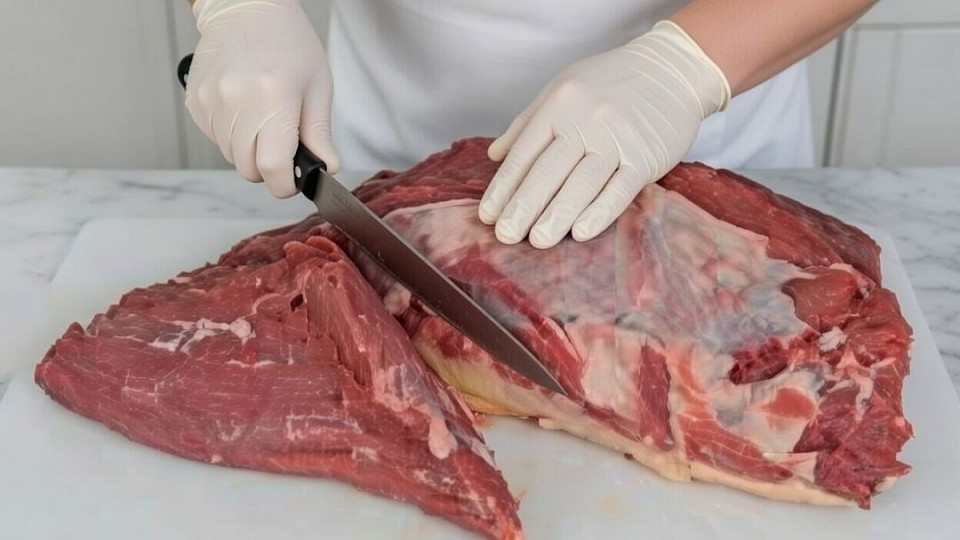
Popular choices include silverside, topside, and rump cuts. Trimming is essential — removing silverskin and excess connective tissue ensures a clean, consistent final product.
The quality of your meat determines the quality of your biltong.
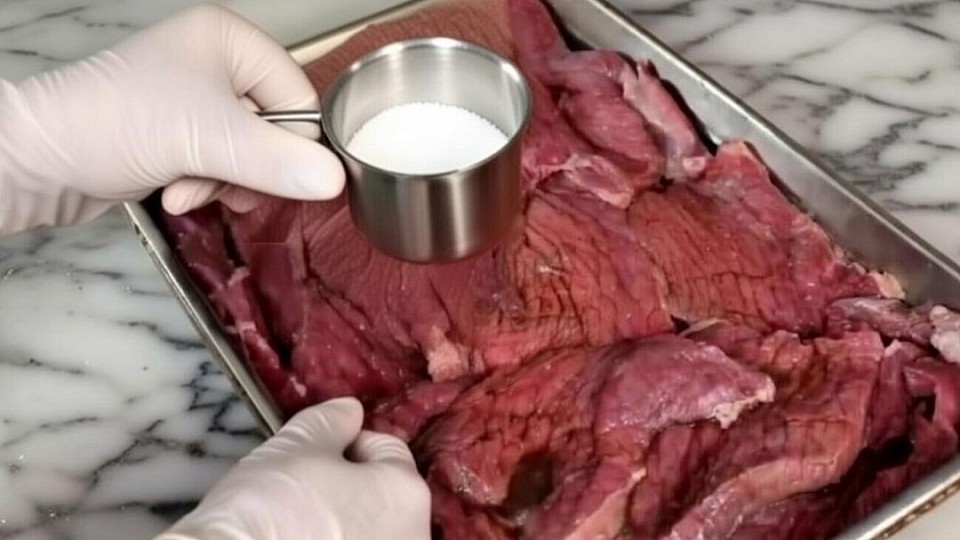
2. The Role of Salt and Vinegar
Salt and vinegar are the foundation of traditional biltong. They are not optional — they are functional.
Salt:
• Draws out moisture
• Reduces microbial activity
• Enhances flavour
Vinegar:
• Lowers surface pH
• Reduces spoilage risk
• Adds a subtle tang
These two ingredients work together to create a safe, stable environment for natural drying.
3. The Signature South African Spice Profile
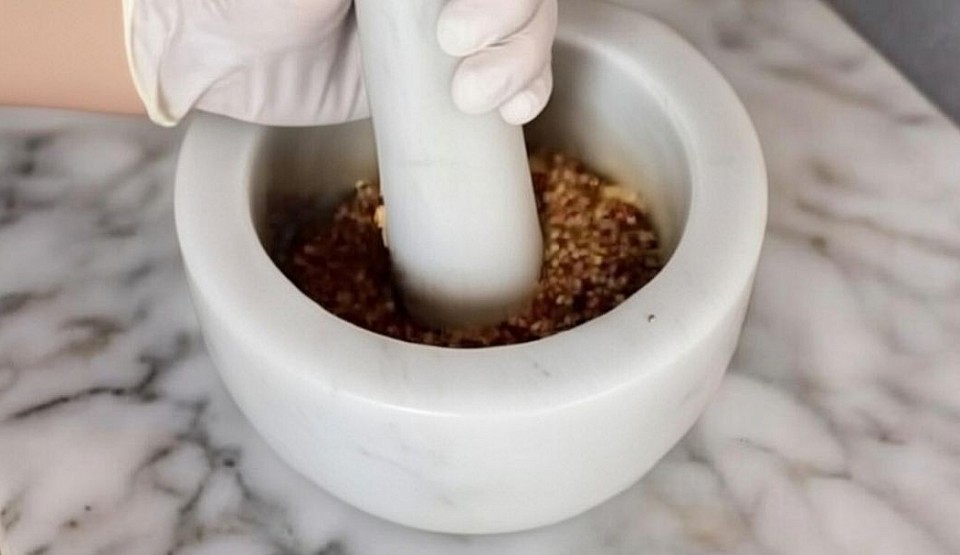
Traditional biltong uses a simple but powerful spice blend:
• Crushed coriander
• Black pepper
• Salt
Some families add chilli, garlic, or brown sugar, but the heart of biltong lies in its simplicity. The spices complement the meat rather than overpower it.
The goal is balance — flavour that enhances, not hides.
4. Preparing the Meat for Drying
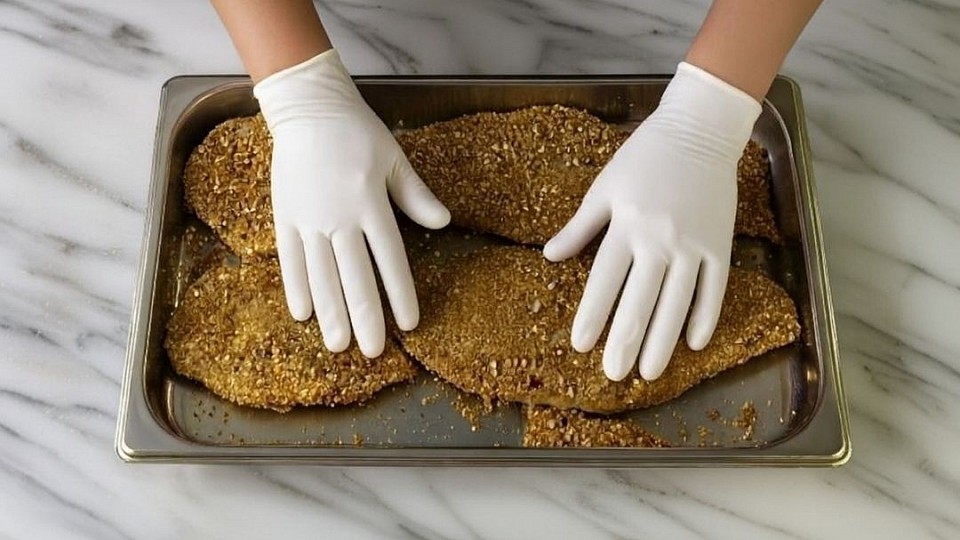
Once seasoned, the meat is rested to allow salt and vinegar to penetrate. This step:
• Improves flavour
• Enhances texture
• Begins moisture reduction
Traditional makers learned to judge readiness by touch, smell, and experience — skills our book teaches you to understand scientifically.
5. Air-Drying: The Essence of Biltong
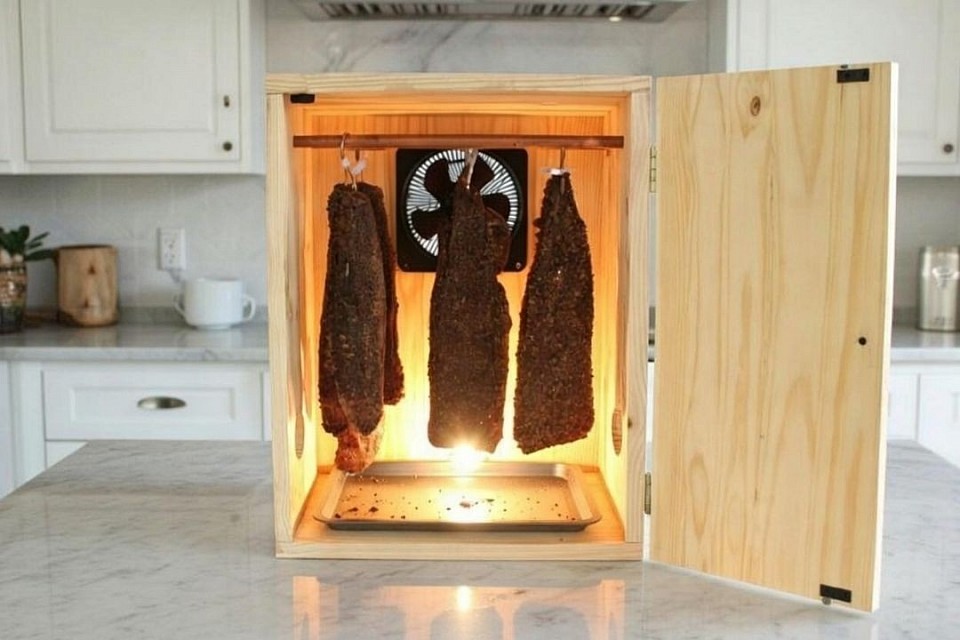
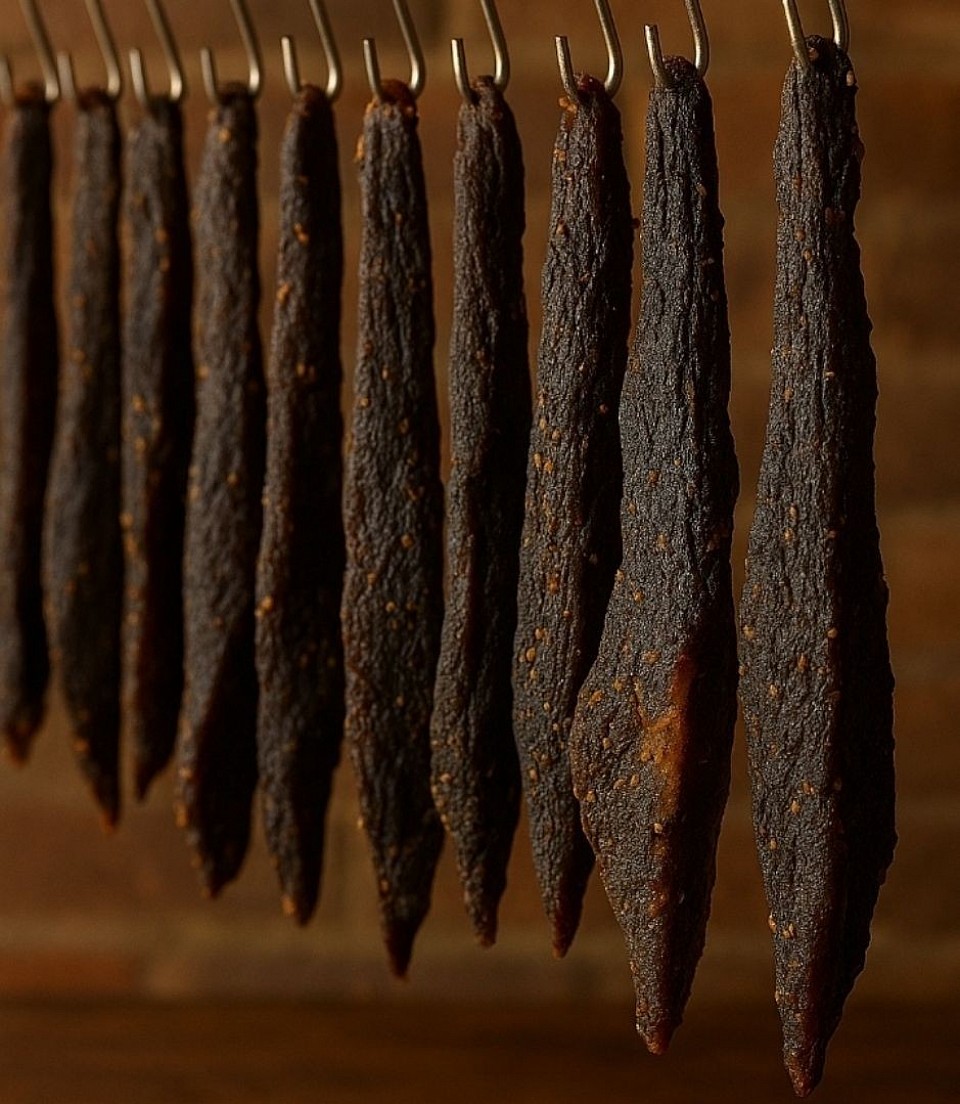
Biltong is dried naturally, using airflow rather than heat. The strips are hung in a cool, dry, well‑ventilated space where air can circulate freely around each piece.
Over several days, moisture slowly leaves the meat, concentrating flavour and creating the firm yet tender texture biltong is known for.
Drying depends on:
• Humidity
• Temperature
• Airflow
• Meat thickness
Understanding these factors is the key to consistent success — and our book explains each one in detail.
Learn to Make Traditional Biltong at Home
This page gives you the foundation — but if you want the complete, step‑by‑step method, our book is your essential guide. It covers every detail needed to make biltong successfully, whether you are a beginner or an experienced maker.
Inside, you’ll find:
• The full traditional biltong method
• Exact spice ratios and variations
• Meat selection and trimming techniques
• Salt and vinegar science explained clearly
• Drying methods for any climate
• Food‑safety and hygiene guidance
• Troubleshooting for mould, case hardening, and texture issues
• Heritage insights and cultural context
It is the most complete biltong guide available anywhere.
Bring a Piece of South African Tradition Into Your Home
Biltong is more than a food — it is a craft shaped by history, climate, and culture. With the right knowledge, anyone can learn to make biltong that honours the original South African method.
If you’re ready to begin, explore our book and start your journey into the world of authentic biltong making.