From Survival Food to National Heritage
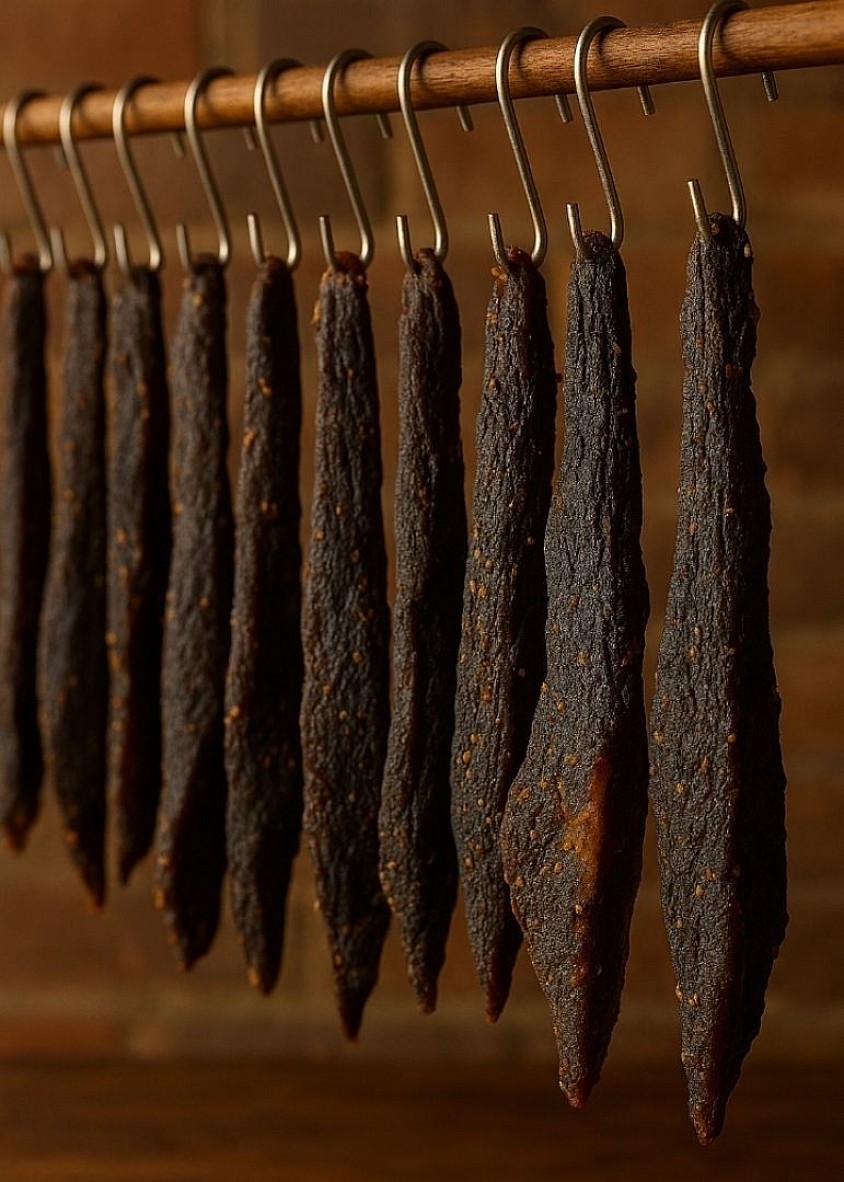
Biltong and droëwors did not begin as delicacies. They began as solutions — practical, ingenious responses to a land that demanded resilience. Long before refrigeration, long before commercial spice blends and branded packets, people in the southern regions of Africa relied on knowledge, instinct, and environment to preserve meat in a way that was safe, durable, and nourishing.
The earliest forms of dried meat in this region were shaped by necessity. Hunters and pastoral communities needed a method to carry protein across long distances without spoilage. The climate of the interior — dry air, wide temperature swings, and steady winds — offered the perfect natural partner. Over generations, people learned how salt, air, and time could transform fresh meat into something stable, flavourful, and long‑lasting.
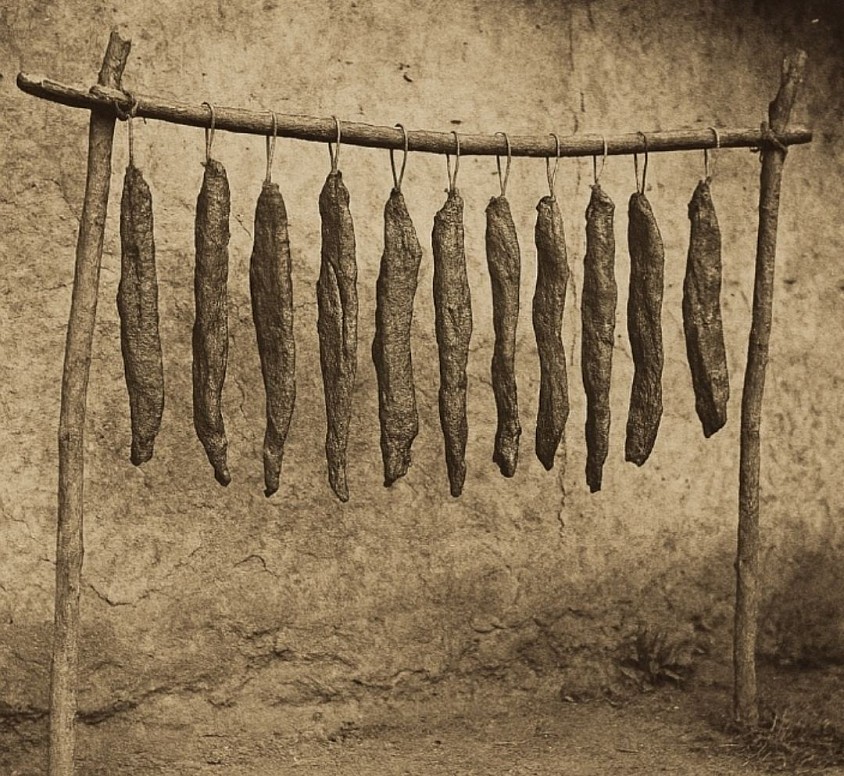
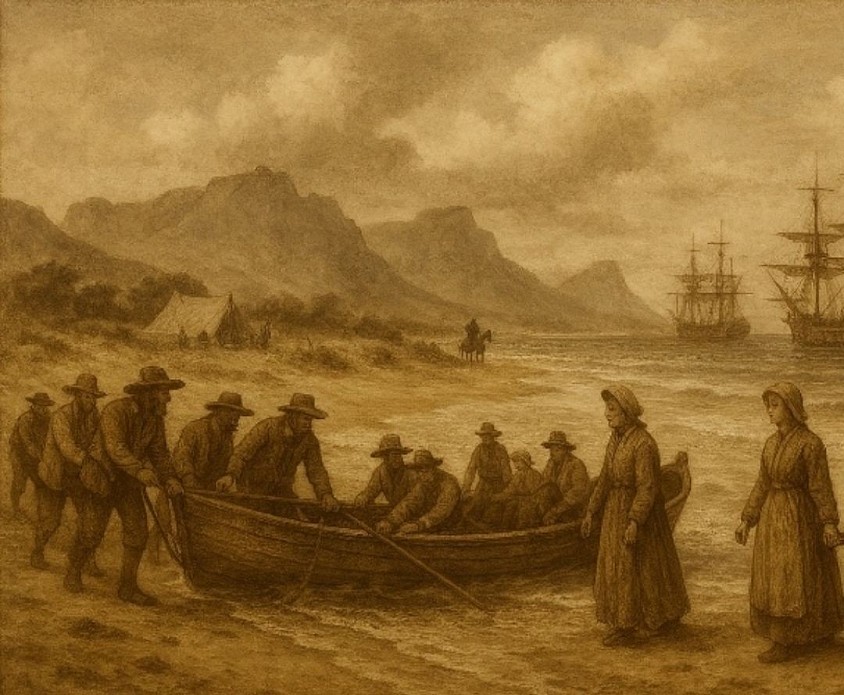
When European settlers arrived in the 1600s, they brought their own preservation traditions: vinegar, coarse salt, and certain spices. These methods blended with local knowledge and environmental conditions, creating a uniquely South African craft. What emerged was not a copy of European dried meat, nor a continuation of indigenous methods alone — it was a new identity entirely. Biltong and droëwors became the product of two worlds meeting in a landscape that shaped them both.
As the frontier expanded, so did the craft. Families developed their own ways of slicing, curing, and drying. Some preferred thicker cuts for a slower, deeper flavour. Others favoured thinner strips for quicker drying and easier transport. Spice combinations varied from region to region, influenced by trade routes, availability, and personal taste. Over time, these differences became part of the cultural fabric — a quiet competition of skill, pride, and tradition.
The Klein Karoo played a defining role in this evolution. Its dry air, open spaces, and steady breezes created ideal conditions for natural drying. Generations of farmers and families refined their techniques here, guided by the land itself. The region became known not only for producing biltong and droëwors, but for producing knowledge — the kind that is passed down, not written down. The kind that comes from watching meat change day by day, learning its behaviour, and understanding what it needs.
Today, biltong and droëwors are enjoyed across the world, but their identity remains rooted in heritage. They are more than dried meat. They are the result of centuries of adaptation, observation, and respect for the environment. They represent a craft that survived because people cared enough to preserve it — not just the product, but the knowledge behind it.

The Klein Karoo is more than a place on a map. It is a landscape that shapes behaviour, teaches patience, and rewards those who pay attention. For generations, it has been one of the most naturally suited environments for drying meat — not because people forced the craft onto the land, but because the land quietly offered the conditions the craft needed.
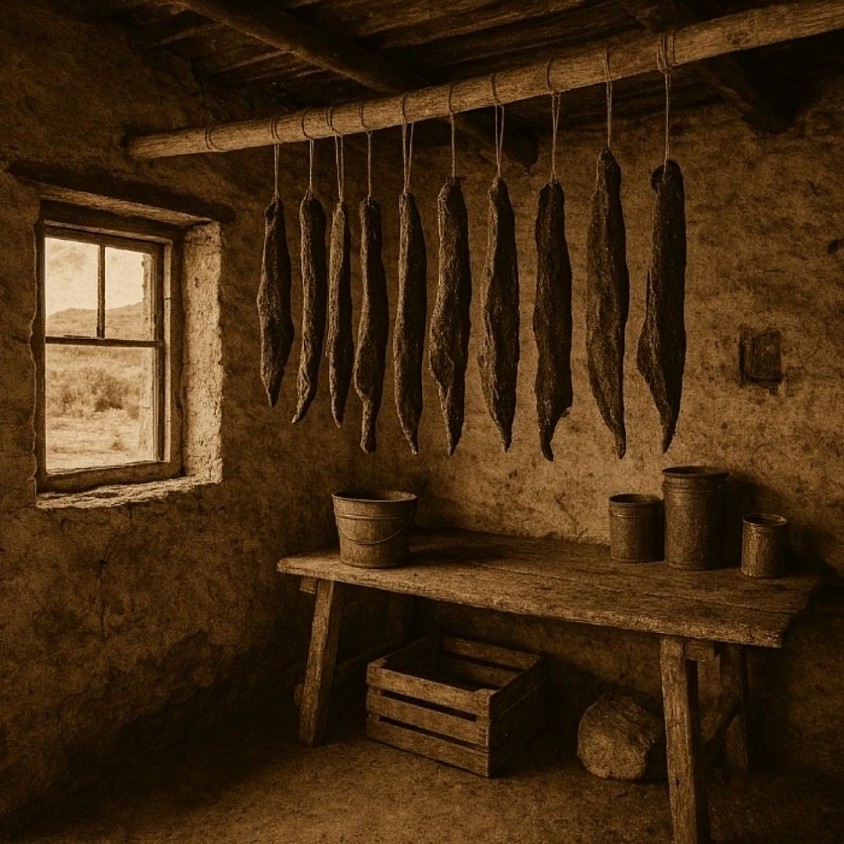
The region stretches between mountain ranges that create a unique rain shadow. This natural barrier limits moisture, producing a semi‑arid climate with dry air, clear skies, and steady airflow. These characteristics are not incidental. They are the very elements that make controlled drying possible. In a world before electricity, before fans and dehumidifiers, the Klein Karoo provided what no equipment could replicate: predictable dryness.
Daytime temperatures rise, encouraging moisture to move outward from the meat. Nights cool down, slowing the process and preventing rapid case hardening. The air remains clean and light, carrying moisture away without trapping it. These rhythms became part of the craft long before anyone understood the science behind them. People simply learned that meat behaved well here — that it dried evenly, safely, and with a depth of flavour that felt inseparable from the land itself.
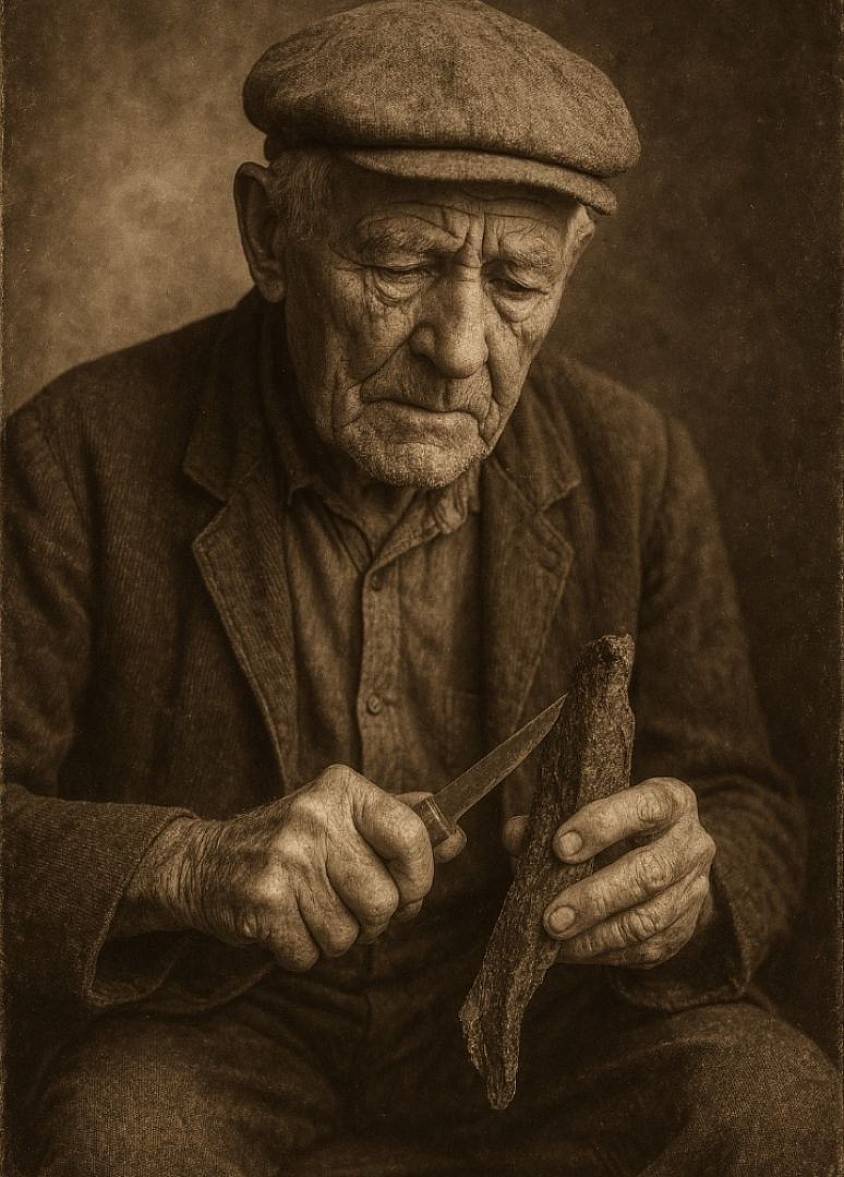
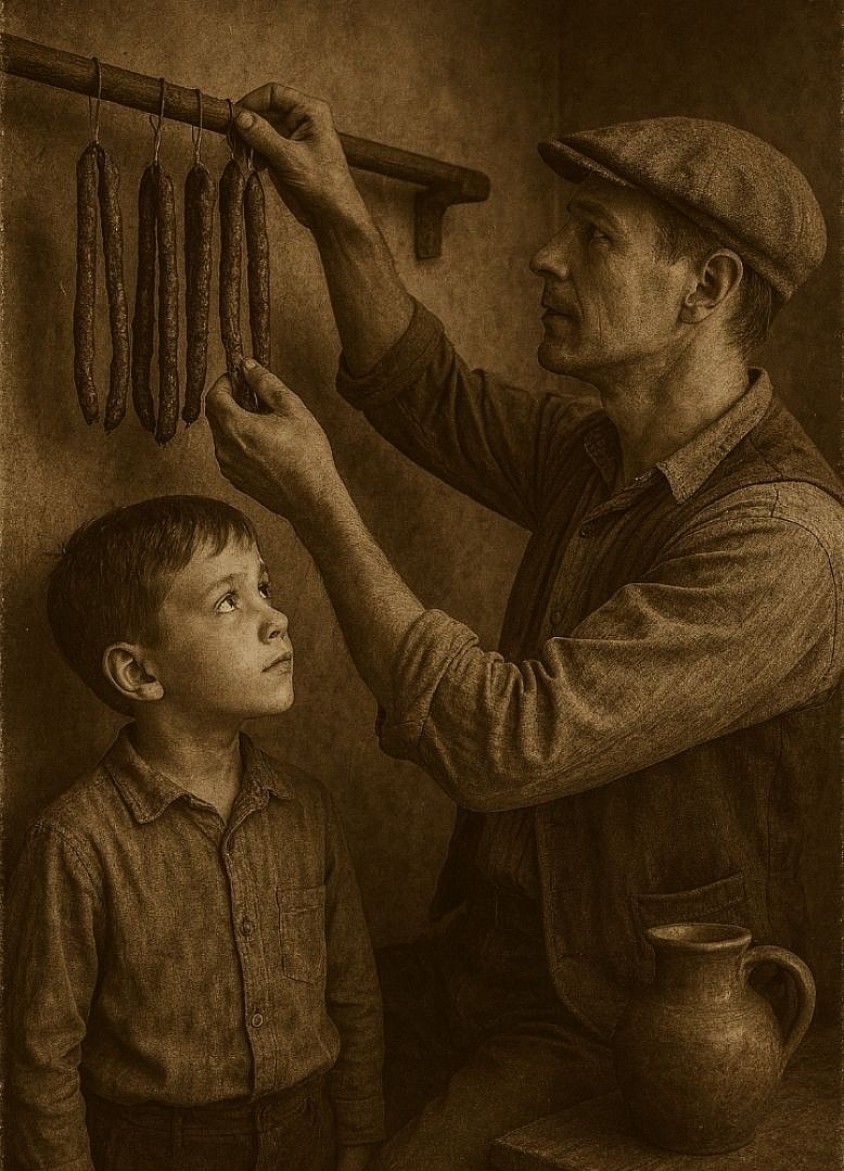
But the Klein Karoo’s influence extends beyond climate. The culture of the region has always valued resourcefulness, respect for food, and the passing down of practical knowledge. Families learned from one another, not through formal instruction, but through observation and repetition. A child might watch an elder trim a piece of meat, noticing the angle of the knife or the thickness of a slice. These details were rarely spoken aloud, yet they were absorbed and carried forward.
This culture of quiet mastery is one of the Klein Karoo’s greatest contributions to the craft. It created an environment where skill was not rushed, where understanding mattered more than shortcuts, and where the craft was treated with the seriousness it deserved. Even today, many of the best practitioners in the region do not describe themselves as experts. They simply say they “know the meat,” a phrase that reflects both humility and depth of experience.
The land also shaped the flavours associated with the region. Spices arrived through trade routes, but the Klein Karoo’s people adapted them to local conditions. Coriander became a defining note not because it was fashionable, but because it complemented the natural sweetness of well‑dried meat. Vinegar was used not only for preservation, but because it balanced the dryness of the climate. Salt levels were adjusted to match the pace of drying. Every choice was practical first, and traditional only because it worked.
To understand biltong and droëwors at a master level, one must understand this relationship between land, climate, and culture. The Klein Karoo did not merely host the craft — it shaped it. It taught people how meat behaves when left to the air. It rewarded those who respected its rhythms. It created a standard of quality that others still try to replicate with equipment and technology.
Biltong and droëwors did not begin as symbols of culture. They began as necessities — practical answers to a landscape that offered beauty and challenge in equal measure. In the early days of settlement and frontier life, meat was abundant at certain times of the year and scarce at others. Without refrigeration, the only way to secure food for the future was to preserve it. Drying became the most reliable method, and over time, it evolved from a survival technique into a craft with identity and pride.
The earliest practitioners were not thinking about flavour profiles or texture preferences. They were thinking about endurance. Meat had to last through long journeys, unpredictable seasons, and the realities of living far from established towns. Salt, air, and time were the tools available — and they worked. What began as a method of necessity slowly became a method of choice, refined through observation and experience.
As communities grew, so did the craft. Families developed their own ways of preparing meat, influenced by the environment, available spices, and personal preference. Some preferred a sharper vinegar note. Others favoured a deeper coriander profile. Drying times varied depending on climate and tradition. These differences were not mistakes — they were the beginnings of regional identity.
Over generations, the craft shifted from survival to culture. Biltong and droëwors became part of daily life, part of gatherings, part of travel, and part of celebration. They were shared at tables, taken on journeys, and given as gifts. The craft became a marker of hospitality and skill. A person who made good biltong or droëwors was respected for their understanding, not just their ingredients.
As South Africa modernised, the craft did not disappear. Instead, it adapted. Refrigeration changed storage, but not the desire for dried meat. Commercial spice blends appeared, but many families continued to use their own. Shops began selling biltong, yet home‑made batches remained a point of pride. The craft survived because it was more than a product — it was a connection to heritage.
Today, biltong and droëwors are recognised far beyond South Africa’s borders. They are exported, imitated, and celebrated globally. Yet their identity remains rooted in the land and people who shaped them. They are reminders of a time when knowledge was survival, when skill was passed down quietly, and when the environment dictated the method.
Calling biltong and droëwors “heritage foods” is not a marketing phrase. It is a recognition of the journey they have taken — from necessity to tradition, from tradition to culture, and from culture to national identity. They represent resilience, adaptation, and the deep connection between people and place.
Understanding this evolution is essential for anyone who wants to master the craft. When you know where the craft comes from, you understand why certain methods exist, why certain outcomes matter, and why the craft deserves respect. Mastery is not only about technique. It is about recognising the heritage behind the technique.
Biltong and droëwors are no longer survival foods. They are cultural anchors — living traditions that continue to grow, adapt, and inspire.